Introduction
Balstilimab Biosimilar is a novel monoclonal antibody (mAb) that targets the programmed cell death protein 1 (PD-1), also known as CD279. This antibody is a biosimilar of the already existing therapeutic antibody, balstilimab, and has shown promising results in preclinical studies. In this article, we will discuss the structure, activity, and potential applications of Balstilimab Biosimilar as a therapeutic agent.
Structure of Balstilimab Biosimilar
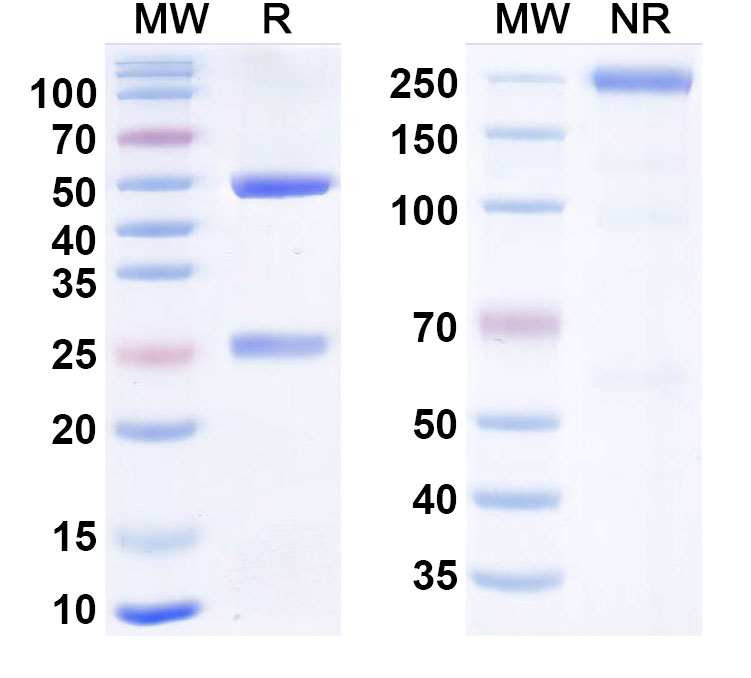
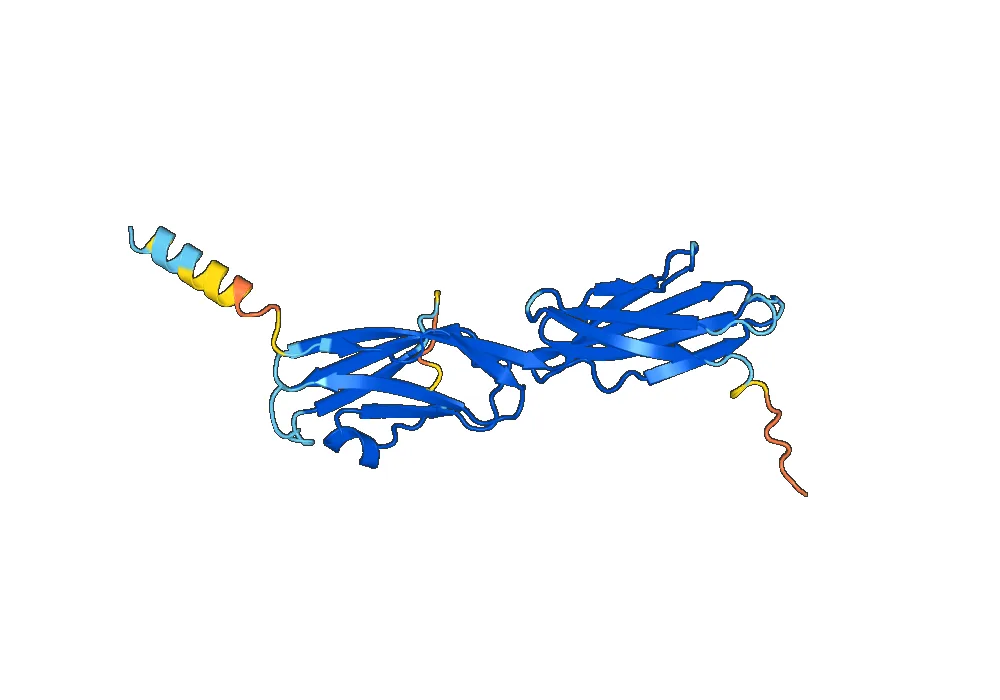
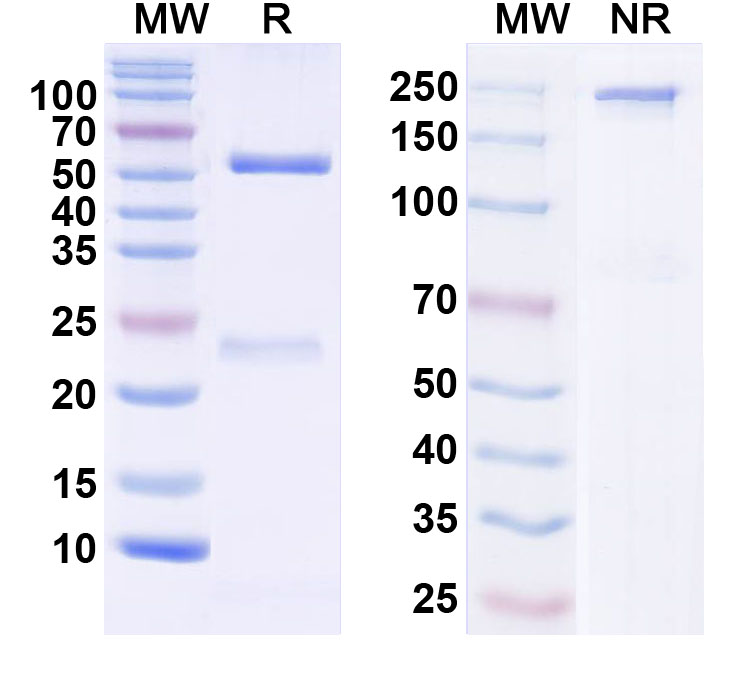
Balstilimab Biosimilar is a recombinant humanized IgG4 antibody that is composed of two heavy chains and two light chains. The heavy chains are made up of four constant domains (CH1, CH2, CH3, and CH4) and one variable domain (VH), while the light chains consist of one constant domain (CL) and one variable domain (VL). The variable domains of both heavy and light chains are responsible for binding to the target protein, PD-1.
Activity of Balstilimab Biosimilar
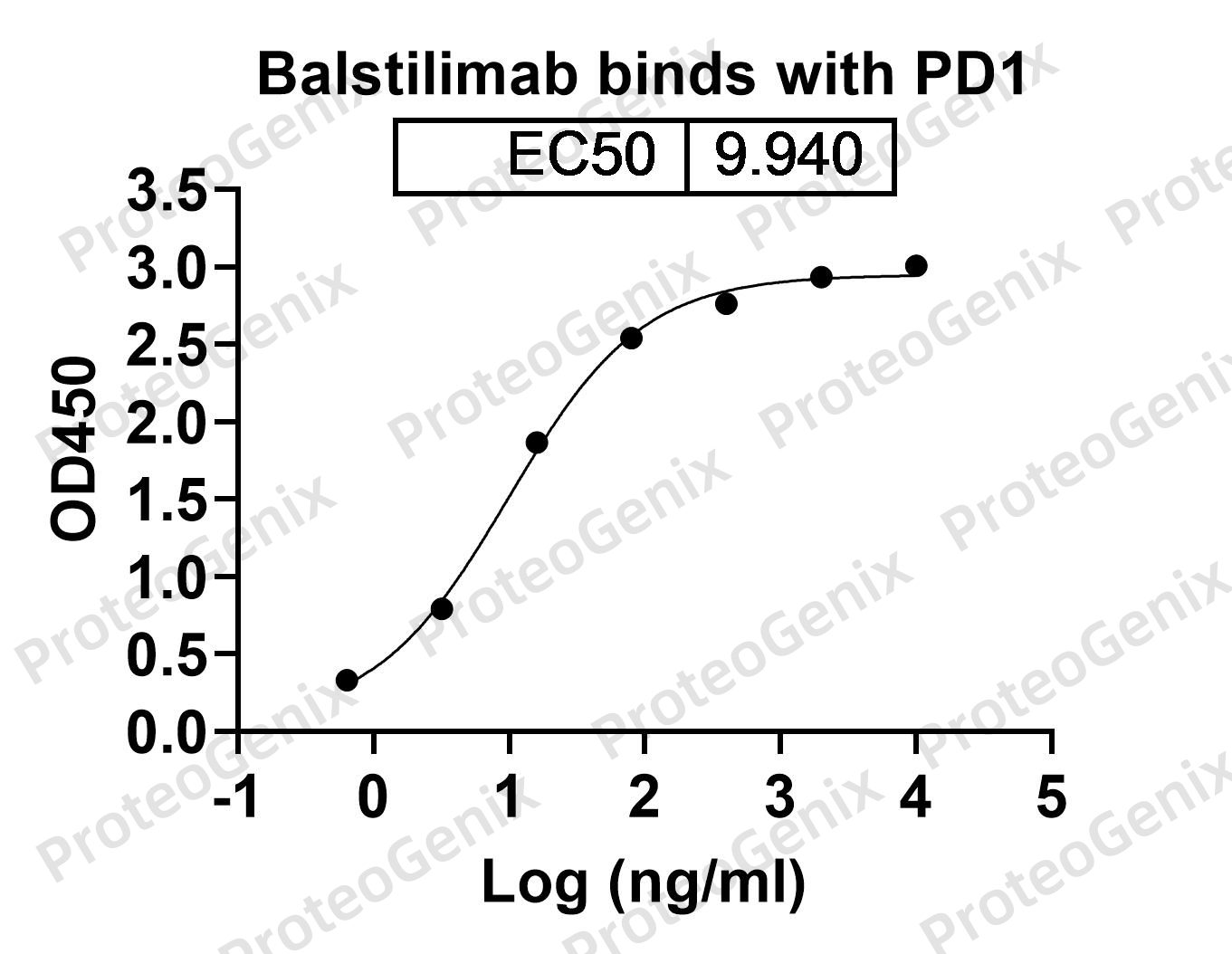
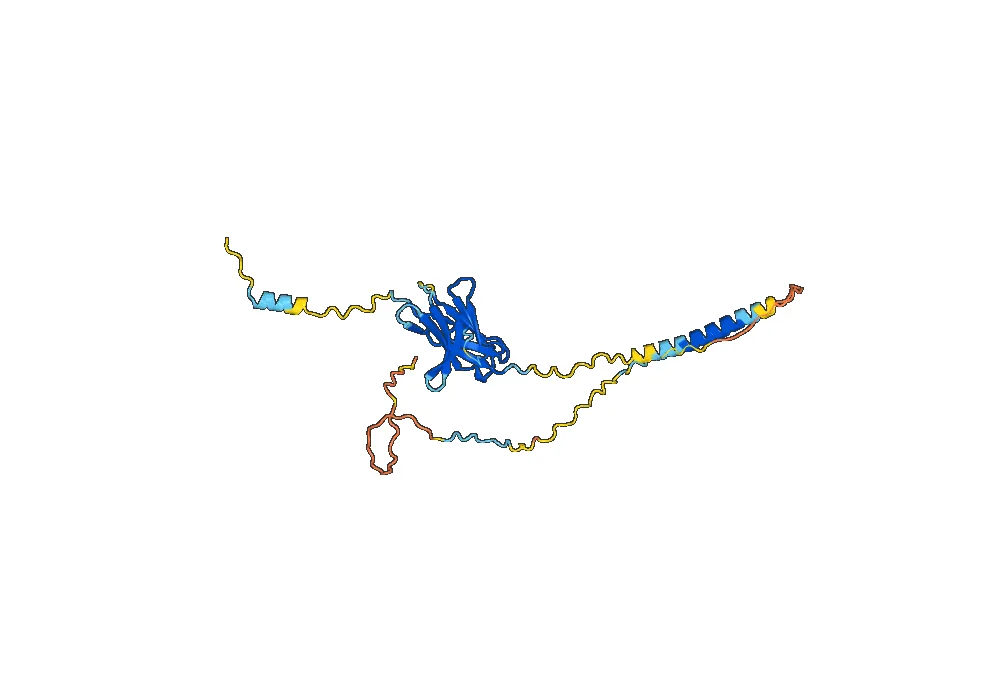
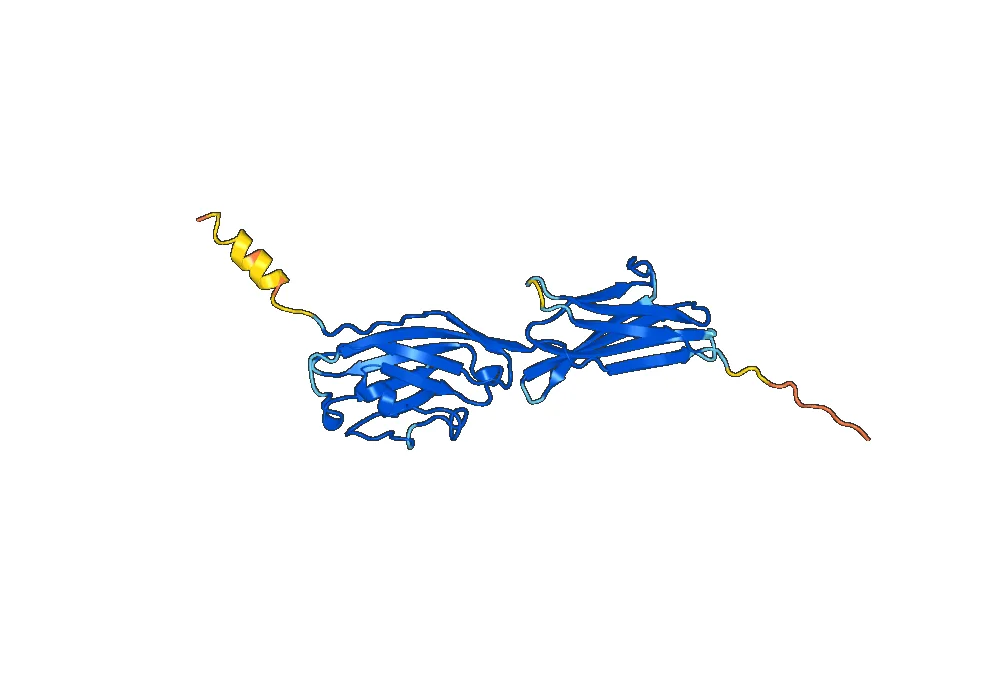
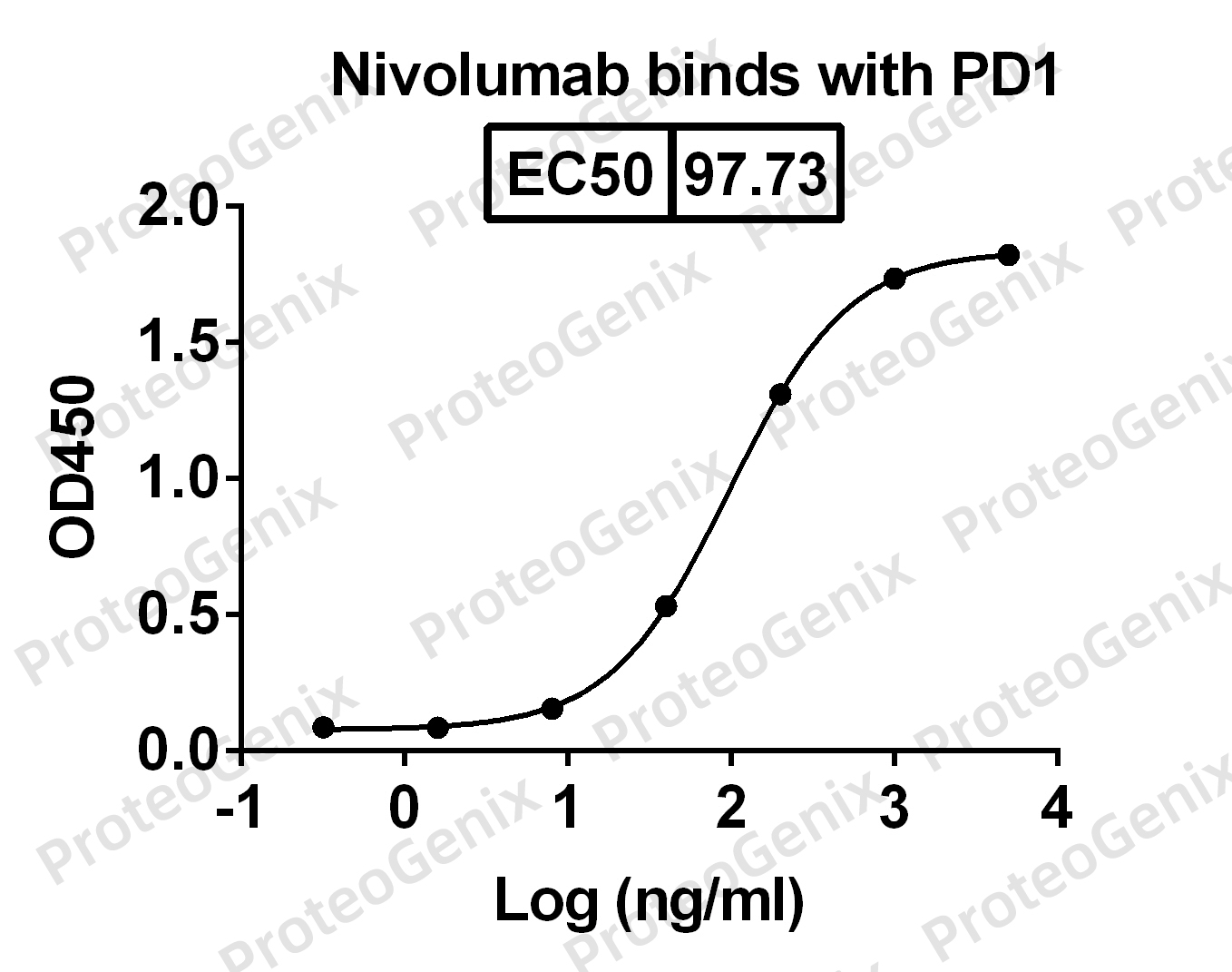
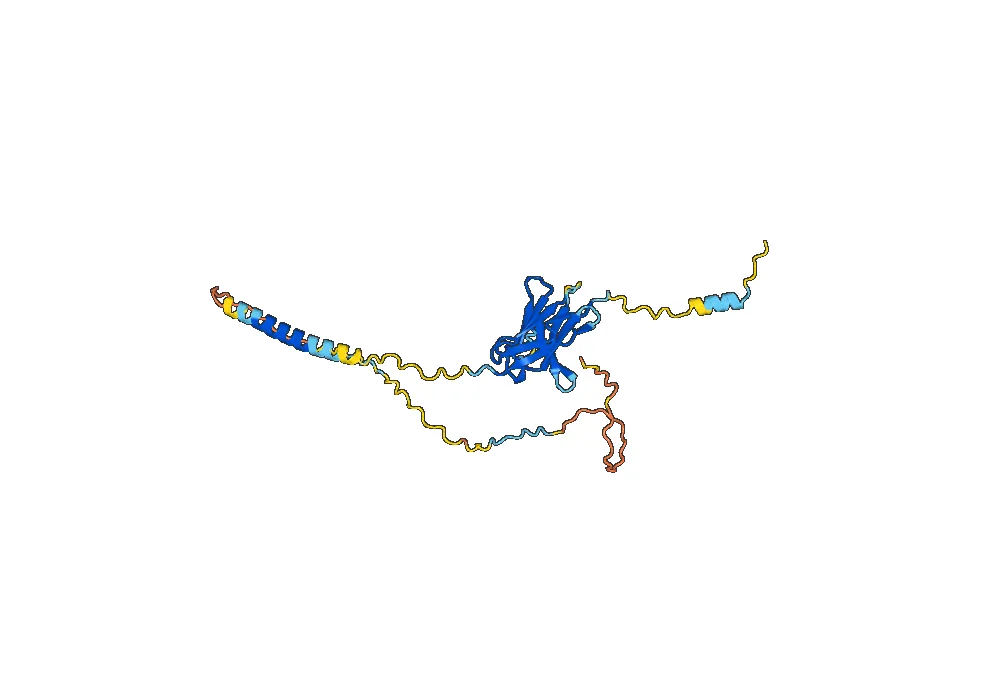
PD-1 is a cell surface receptor that plays a crucial role in regulating immune responses. It is primarily expressed on T cells and helps in maintaining immune tolerance by inhibiting T cell activation. However, in certain conditions, such as cancer, PD-1 is upregulated, leading to T cell exhaustion and allowing cancer cells to evade the immune system. Balstilimab Biosimilar binds to PD-1 and blocks its interaction with its ligands, PD-L1 and PD-L2, thereby restoring T cell activity and enhancing anti-tumor immune responses.
Therapeutic Target of Balstilimab Biosimilar
The therapeutic target of Balstilimab Biosimilar is PD-1, which is a well-known target for cancer immunotherapy. PD-1 is overexpressed in various cancers, including melanoma, non-small cell lung cancer, and bladder cancer, and is associated with poor prognosis. By targeting PD-1, Balstilimab Biosimilar can potentially improve the outcomes of cancer patients by enhancing their immune response against tumors.
Applications of Balstilimab Biosimilar
Balstilimab Biosimilar has shown promising results in preclinical studies, and its potential applications include:
Cancer Immunotherapy As mentioned earlier, Balstilimab Biosimilar targets PD-1, which is a key player in cancer immune evasion. By blocking PD-1, this antibody can enhance the activity of T cells and improve anti-tumor immune responses. It has the potential to be used as a monotherapy or in combination with other cancer treatments, such as chemotherapy and radiation therapy.
Autoimmune Diseases
PD-1 is also involved in regulating autoimmune responses, and its dysregulation has been linked to various autoimmune diseases, such as rheumatoid arthritis and multiple sclerosis. By targeting PD-1, Balstilimab Biosimilar can potentially modulate the immune response and provide a new treatment option for these diseases.
Infectious Diseases
PD-1 has been shown to play a role in immune evasion by certain viruses, such as HIV and hepatitis B virus. Balstilimab Biosimilar has the potential to enhance the immune response against these viruses by blocking PD-1, thereby reducing viral load and improving disease outcomes.
Research Grade Use
In addition to its therapeutic applications, Balstilimab Biosimilar can also be used as a research tool for studying the role of PD-1 in various diseases and for developing new immunotherapies. The research grade version of this antibody is available for in vitro and in vivo studies.
Conclusion
In conclusion, Balstilimab Biosimilar is a promising biosimilar of the therapeutic antibody balstilimab. Its structure, activity, and potential applications make it a valuable addition to the field of cancer immunotherapy and other disease treatments.


There are no reviews yet.