Introduction
Cetrelimab Biosimilar, also known as Anti-PDCD1, PD1, CD279 monoclonal antibody (mAb), is a novel therapeutic agent that targets the programmed cell death protein 1 (PD-1) pathway. This pathway plays a critical role in regulating the immune response and has been identified as a key target for cancer immunotherapy. Cetrelimab Biosimilar is a research grade antibody that has shown promising results in pre-clinical studies and is currently being evaluated in clinical trials for the treatment of various types of cancer.
Structure of Cetrelimab Biosimilar
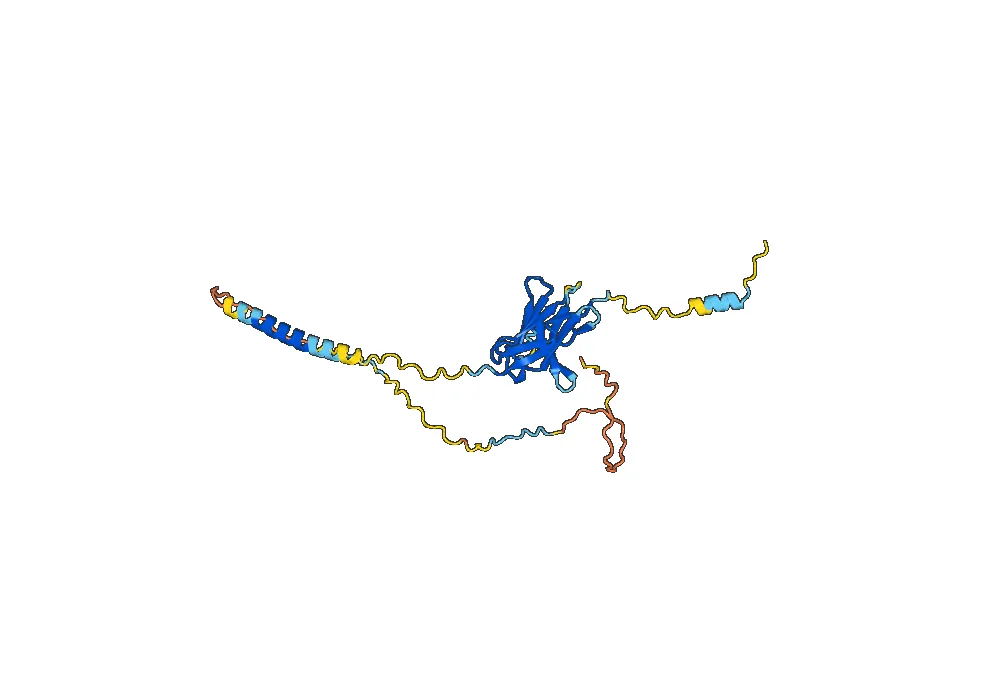
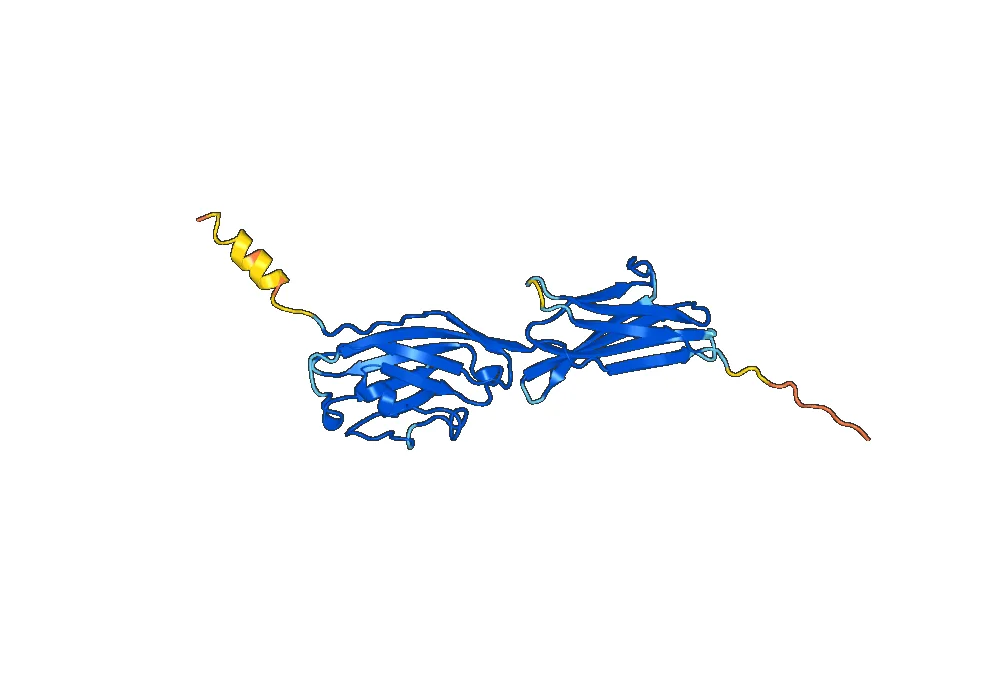
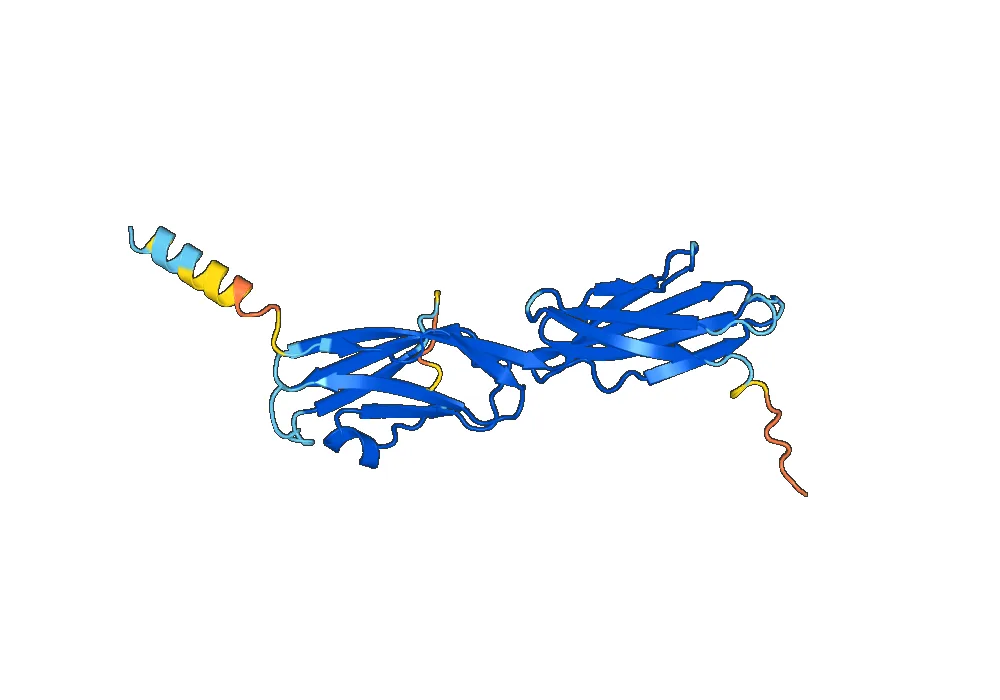
Cetrelimab Biosimilar is a fully humanized IgG4 monoclonal antibody with a molecular weight of approximately 150 kDa. It is composed of two heavy chains and two light chains, with each chain containing variable and constant regions. The variable regions of the antibody are responsible for binding to the PD-1 receptor, while the constant regions determine the effector functions of the antibody.
Mechanism of Action
Cetrelimab Biosimilar works by binding to the PD-1 receptor on the surface of T cells and blocking its interaction with its ligands, PD-L1 and PD-L2. This interaction is known to inhibit the activity of T cells and suppress the immune response, allowing cancer cells to evade detection and destruction by the immune system. By blocking this interaction, Cetrelimab Biosimilar restores the activity of T cells and enhances the immune response against cancer cells.
Applications of Cetrelimab Biosimilar
Cetrelimab Biosimilar has shown promising results in pre-clinical studies and is currently being evaluated in clinical trials for the treatment of various types of cancer, including melanoma, non-small cell lung cancer, and bladder cancer. It is also being investigated as a potential treatment for other types of cancer, such as head and neck cancer, renal cell carcinoma, and gastric cancer.
Advantages of Cetrelimab Biosimilar
As a research grade antibody, Cetrelimab Biosimilar offers several advantages over other anti-PD-1 therapies. Firstly, being a fully humanized antibody, it has a lower risk of inducing an immune response in patients. This reduces the risk of adverse reactions and allows for longer treatment durations. Additionally, Cetrelimab Biosimilar has a longer half-life compared to other anti-PD-1 antibodies, allowing for less frequent dosing and potentially improving patient compliance.
Clinical Trials and Results
Cetrelimab Biosimilar is currently being evaluated in multiple clinical trials, including a phase I/II study in patients with advanced or metastatic solid tumors and a phase III study in patients with advanced or recurrent non-small cell lung cancer. Preliminary results from these trials have shown promising efficacy and safety profiles, with some patients experiencing durable responses and manageable side effects.
Conclusion
In conclusion, Cetrelimab Biosimilar is a novel research grade antibody that targets the PD-1 pathway and has shown promising results in pre-clinical and clinical studies. It has the potential to become an effective treatment option for various types of cancer and may offer advantages over other anti-PD-1 therapies. Further research and clinical trials are needed to fully understand the potential of Cetrelimab Biosimilar in cancer treatment.



There are no reviews yet.