Introduction
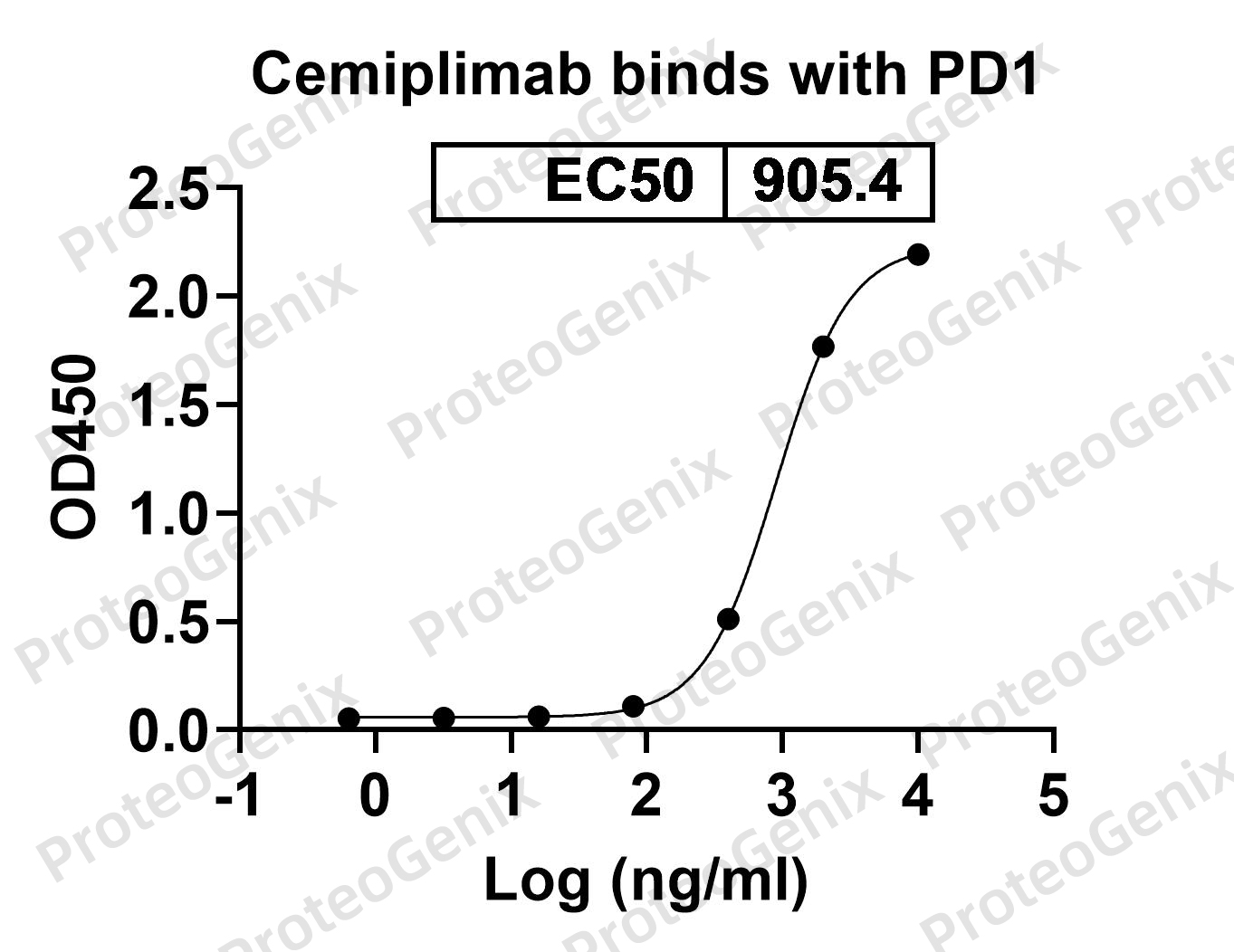
Cemiplimab Biosimilar, also known as Anti-PDCD1, PD1, CD279 mAb, is a monoclonal antibody that has been developed as a biosimilar to the FDA-approved drug, Cemiplimab. This biosimilar has been designed to specifically target the programmed cell death protein 1 (PD-1) receptor, which is a key regulator of the immune response. In this article, we will provide a scientific description of the structure, activity, and application of Cemiplimab Biosimilar as a research grade antibody.
Structure of Cemiplimab Biosimilar
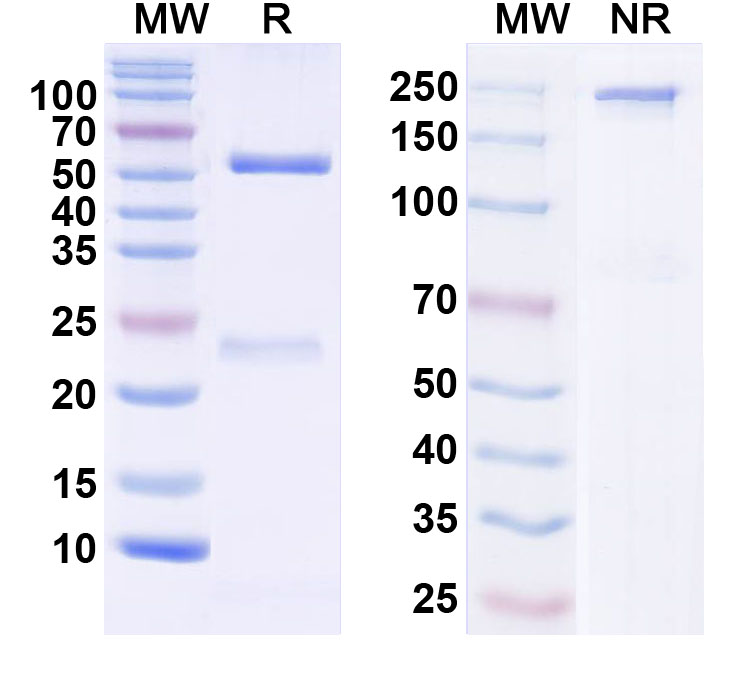
Cemiplimab Biosimilar is a recombinant humanized monoclonal antibody, meaning that it is produced in a laboratory using genetic engineering techniques. It is composed of two heavy chains and two light chains, with a total molecular weight of approximately 149 kDa. The antibody has a Y-shaped structure, with the two heavy chains forming the arms and the two light chains forming the base. Each arm contains a variable region that is responsible for binding to the PD-1 receptor, while the base contains a constant region that is responsible for mediating the effector functions of the antibody.
Activity of Cemiplimab Biosimilar
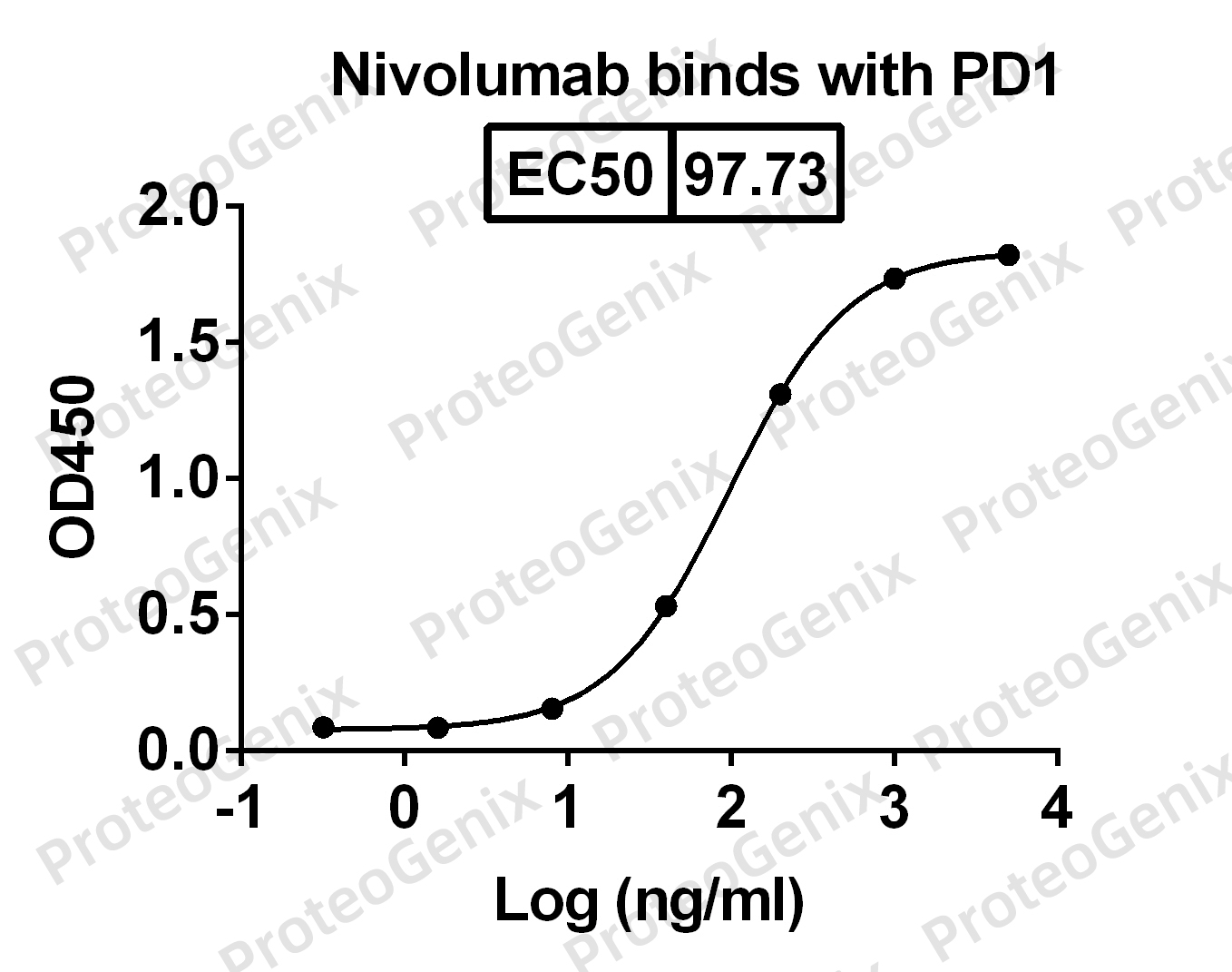
The primary function of Cemiplimab Biosimilar is to block the interaction between PD-1 and its ligands, PD-L1 and PD-L2. This interaction is known to inhibit the activity of T cells, which are a type of immune cell responsible for recognizing and destroying cancer cells. By blocking this interaction, Cemiplimab Biosimilar allows the T cells to become activated and mount an effective anti-tumor immune response. Additionally, Cemiplimab Biosimilar has been shown to promote the proliferation and survival of T cells, further enhancing their anti-tumor activity.
Application of Cemiplimab Biosimilar
Cemiplimab Biosimilar is currently being developed as a potential treatment for various types of cancer, including melanoma, non-small cell lung cancer, and cervical cancer. It is intended to be used in combination with other cancer therapies, such as chemotherapy or radiation, to enhance their effectiveness. As a research grade antibody, Cemiplimab Biosimilar is also being used in preclinical studies to further understand its mechanism of action and potential applications in other types of cancer.
Therapeutic Target: PD-1 Receptor
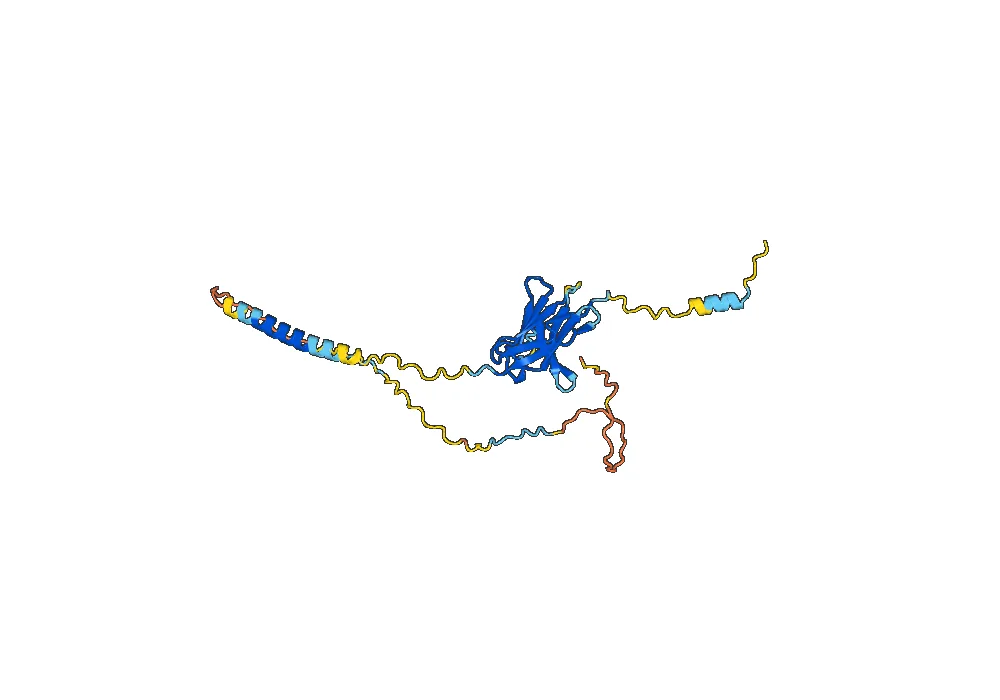
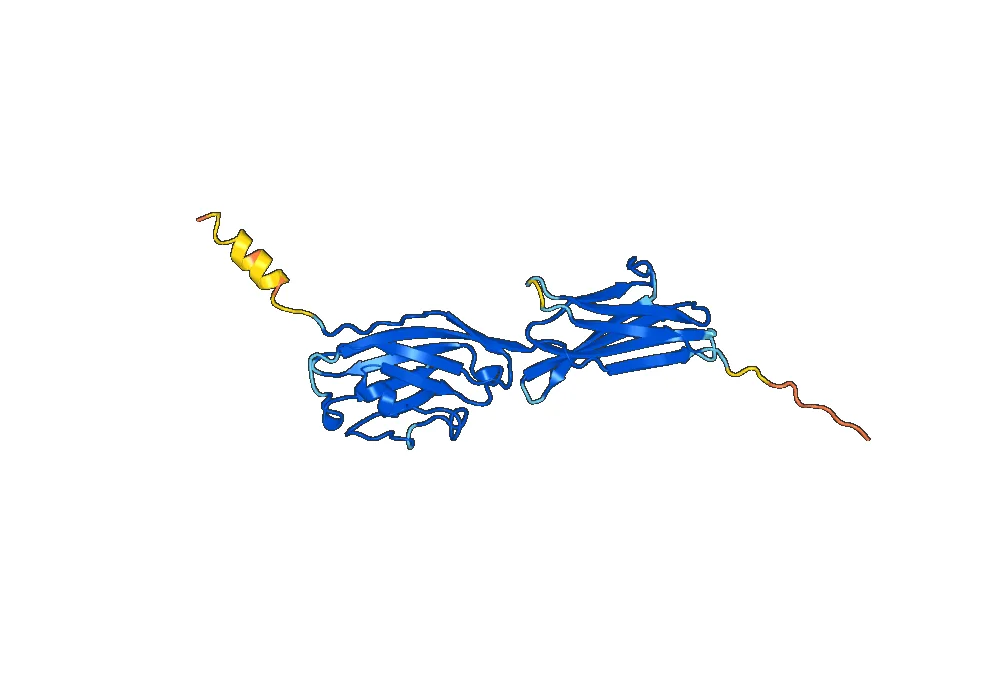
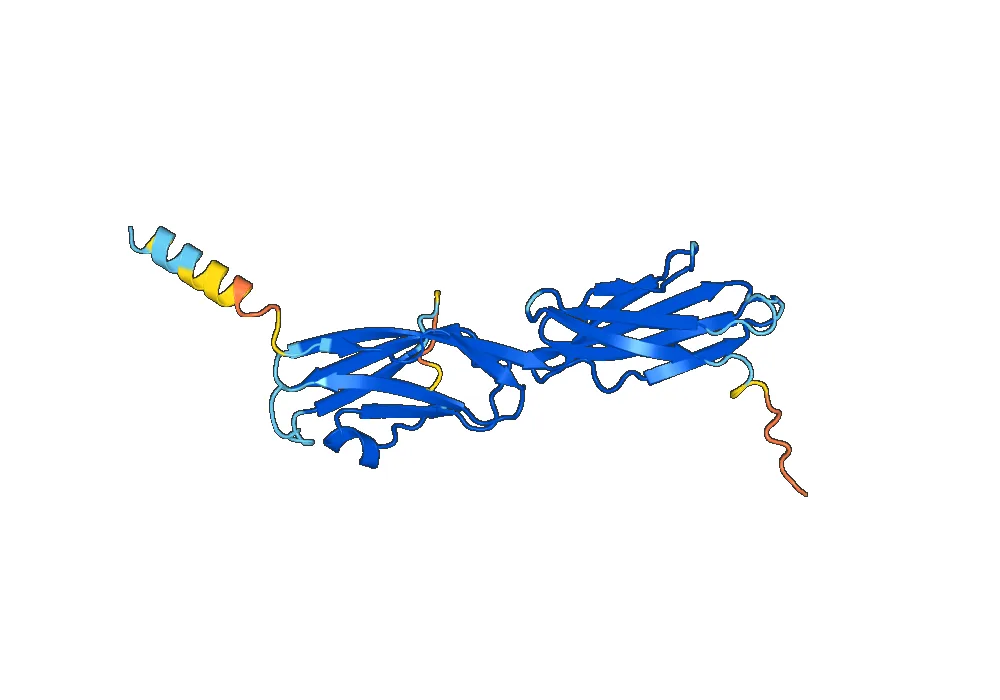
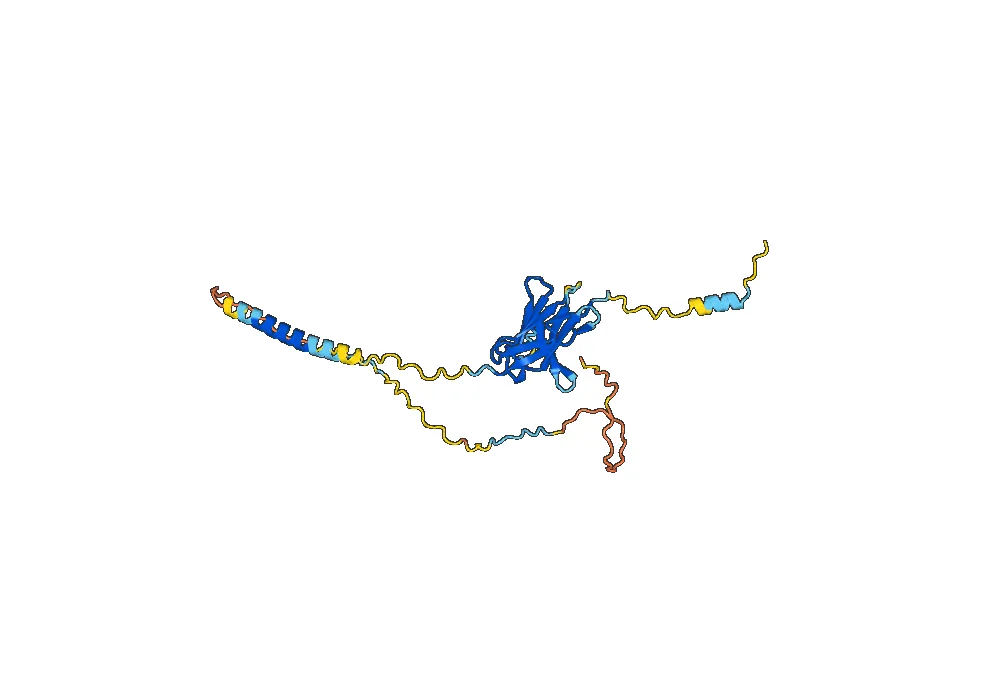
The PD-1 receptor is a cell surface protein that is primarily expressed on immune cells, including T cells, B cells, and natural killer cells. It plays a critical role in regulating the immune response by inhibiting the activity of T cells. This is important for maintaining immune homeostasis and preventing the development of autoimmune diseases. However, cancer cells can exploit this mechanism to evade detection and destruction by the immune system. Therefore, targeting the PD-1 receptor with Cemiplimab Biosimilar can help to restore the anti-tumor activity of T cells and improve overall treatment outcomes.
Conclusion
In summary, Cemiplimab Biosimilar is a recombinant humanized monoclonal antibody that specifically targets the PD-1 receptor. Its primary function is to block the interaction between PD-1 and its ligands, thereby promoting the activation and proliferation of T cells for an effective anti-tumor immune response. As a research grade antibody, Cemiplimab Biosimilar is being studied for its potential use in various types of cancer, and its development holds promise for improving cancer treatment outcomes.


There are no reviews yet.