Introduction
Tesnatilimab Biosimilar, also known as Anti-KLRK1 mAb, is a monoclonal antibody that has been developed as a potential therapeutic for various diseases. It is a biosimilar of Tesnatilimab, a humanized monoclonal antibody that targets the Killer Cell Lectin-like Receptor Subfamily K Member 1 (KLRK1) protein. In this article, we will discuss the structure, activity, and potential applications of Tesnatilimab Biosimilar as a research grade antibody.
Structure of Tesnatilimab Biosimilar
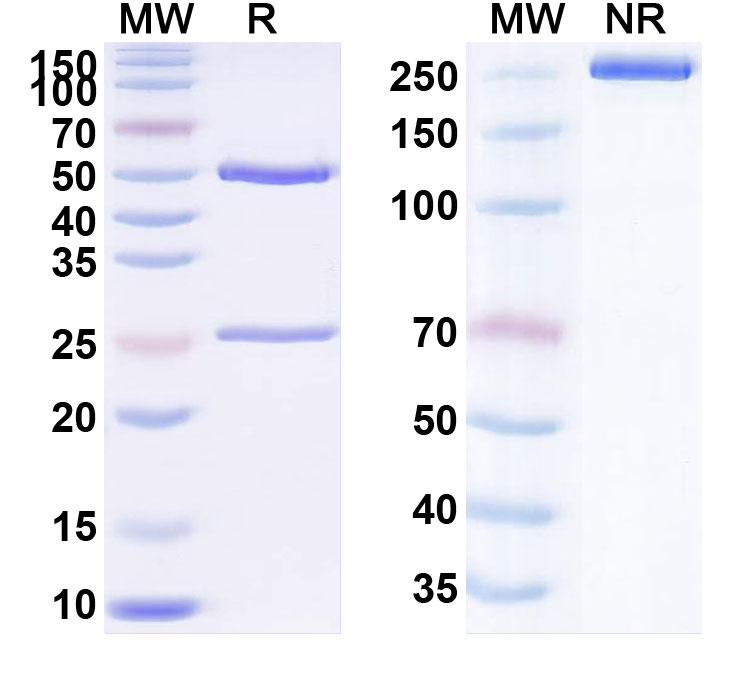
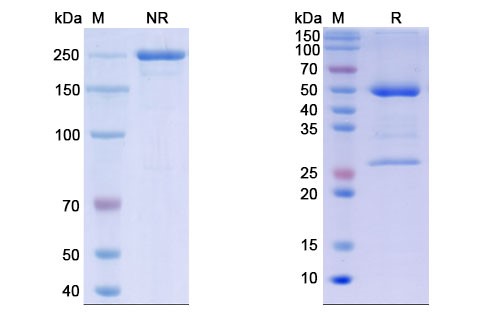
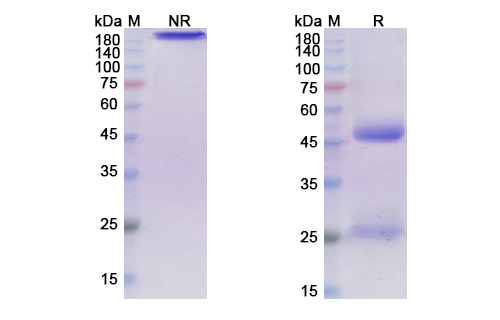
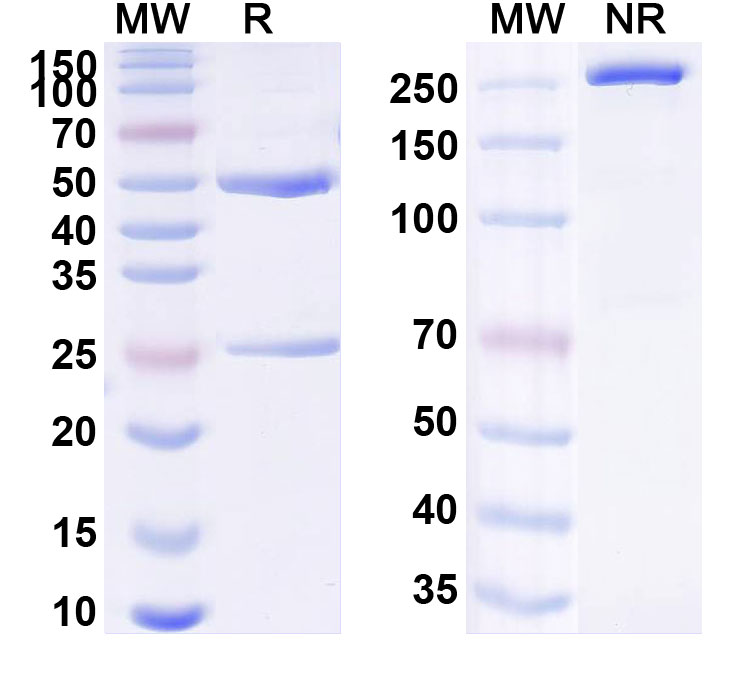
Tesnatilimab Biosimilar is a recombinant humanized IgG1 monoclonal antibody, with a molecular weight of approximately 150 kDa. It is composed of two heavy chains and two light chains, each containing a variable region and a constant region. The variable region of the antibody is responsible for its binding specificity to the KLRK1 protein, while the constant region is responsible for its effector functions.
The structure of Tesnatilimab Biosimilar is highly similar to that of Tesnatilimab, with minor differences in the amino acid sequence. This allows Tesnatilimab Biosimilar to have similar binding affinity and specificity to KLRK1, while also having a lower production cost compared to the original antibody.
Activity of Tesnatilimab Biosimilar
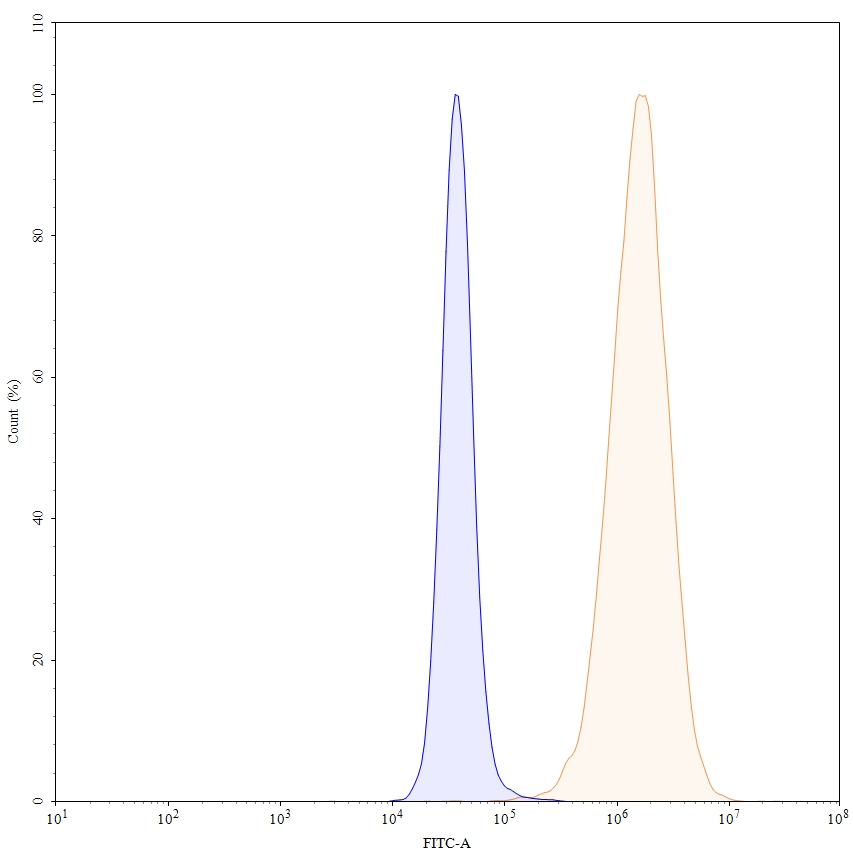
The main activity of Tesnatilimab Biosimilar is its ability to bind to the KLRK1 protein, which is expressed on the surface of various immune cells, including natural killer (NK) cells, T cells, and dendritic cells. By binding to KLRK1, Tesnatilimab Biosimilar can modulate the activity of these immune cells, leading to a variety of therapeutic effects.
One of the main mechanisms of action of Tesnatilimab Biosimilar is its ability to enhance the cytotoxicity of NK cells. By binding to KLRK1, the antibody can activate NK cells and promote their killing of target cells, such as tumor cells or virus-infected cells. This makes Tesnatilimab Biosimilar a potential treatment for various types of cancer and viral infections.
Tesnatilimab Biosimilar also has the ability to modulate the activity of T cells, which play a crucial role in the adaptive immune response. By binding to KLRK1, the antibody can either activate or inhibit T cell activity, depending on the context. This makes Tesnatilimab Biosimilar a potential treatment for autoimmune diseases, as well as for enhancing the anti-tumor response of T cells in cancer patients.
Applications of Tesnatilimab Biosimilar
As a research grade antibody, Tesnatilimab Biosimilar has a wide range of potential applications in the field of immunology. It can be used as a tool for studying the role of KLRK1 in various immune processes, such as NK cell cytotoxicity and T cell activation. It can also be used to investigate the potential therapeutic effects of targeting KLRK1 in different disease models.
Tesnatilimab Biosimilar can also be used in pre-clinical studies to assess its safety and efficacy as a potential therapeutic. This can include in vitro and in vivo experiments to evaluate its binding affinity, specificity, and potential side effects. The results of these studies can inform the development of Tesnatilimab Biosimilar as a potential treatment for various diseases.
Conclusion
Tesnatilimab Biosimilar, also known as Anti-KLRK1 mAb, is a promising research grade antibody with potential applications in various fields of immunology. Its structure, activity, and potential therapeutic applications make it an important tool for studying the role of KLRK1 in immune processes and for developing novel treatments for diseases. Further research and clinical trials are needed to fully understand the potential

There are no reviews yet.