Introduction
Peresolimab Biosimilar, also known as Anti-PDCD1 mAb, is a research grade monoclonal antibody that has been developed as a biosimilar of the therapeutic antibody Pembrolizumab. It is designed to target the programmed cell death protein 1 (PD-1) receptor, which plays a crucial role in regulating the immune response. This article will provide a scientific description of Peresolimab Biosimilar, including its structure, activity, and potential applications.
Structure of Peresolimab Biosimilar
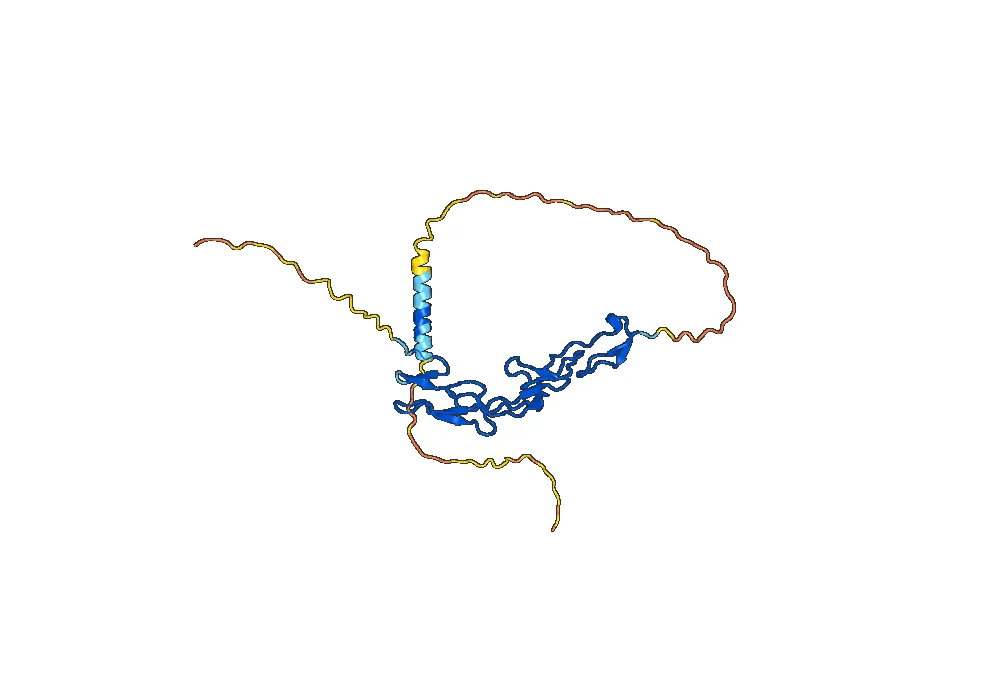
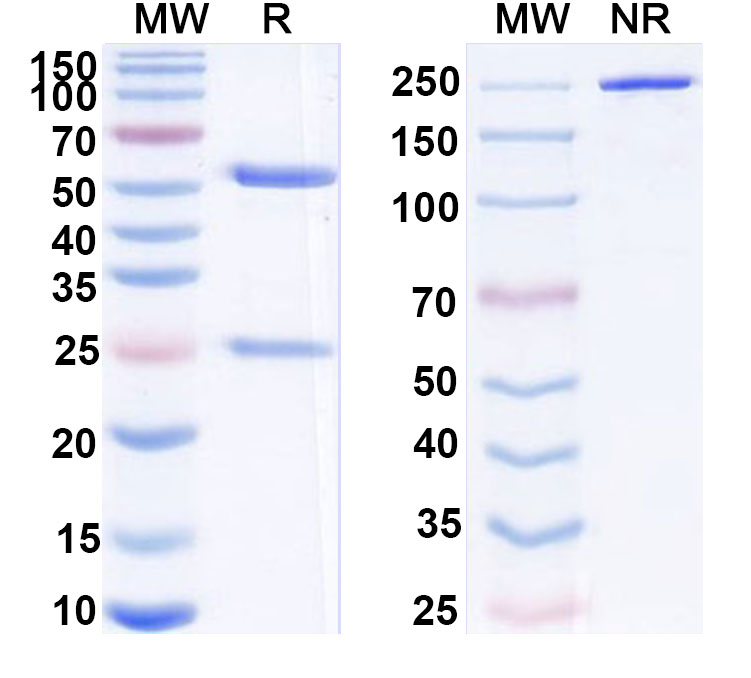
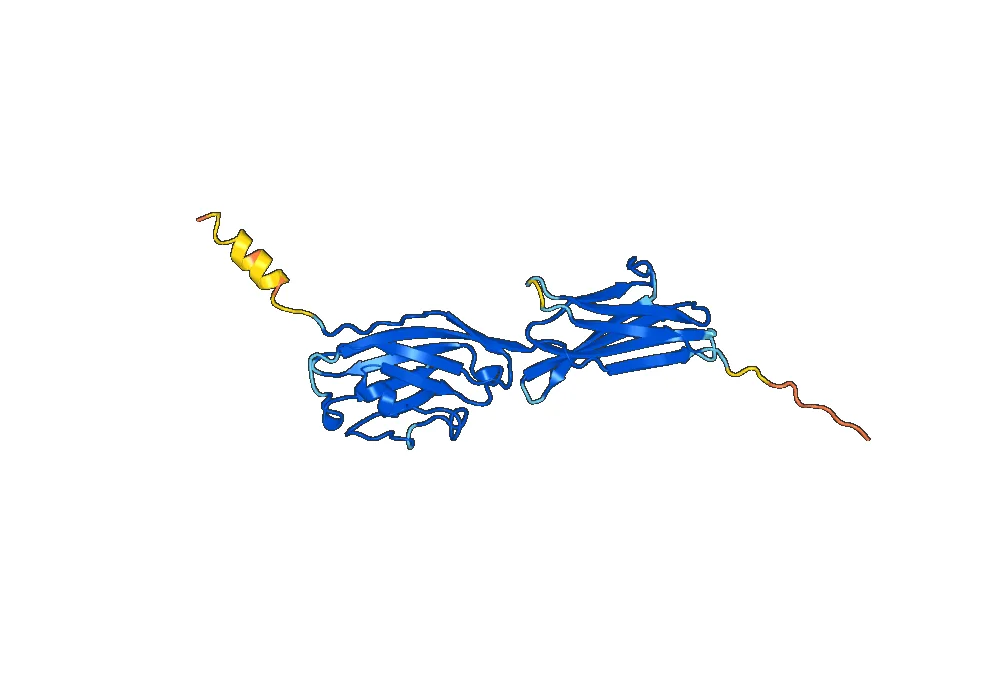
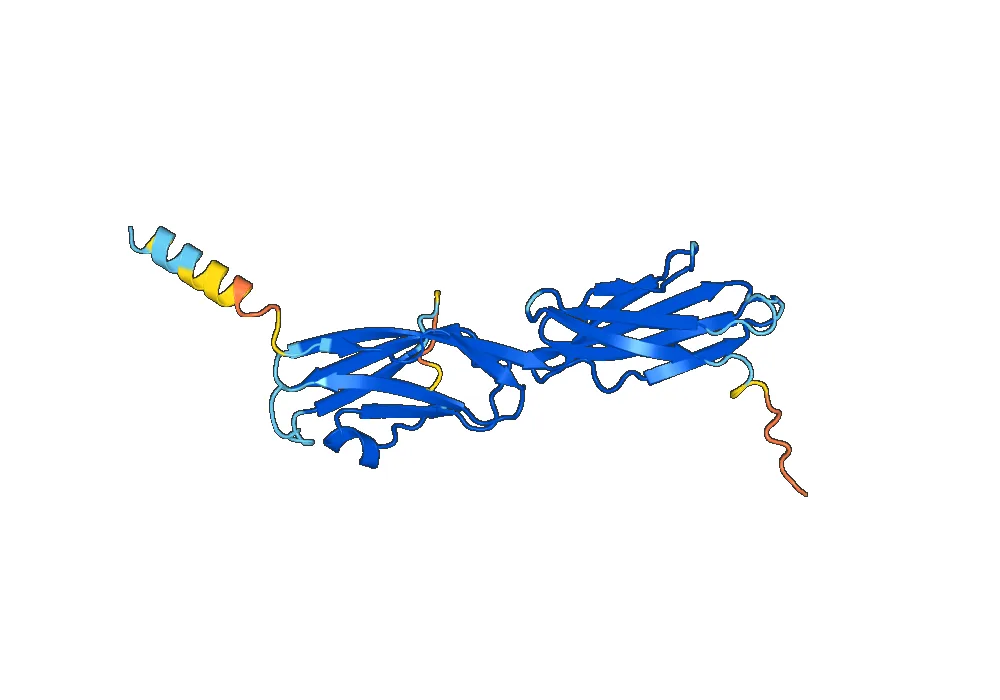
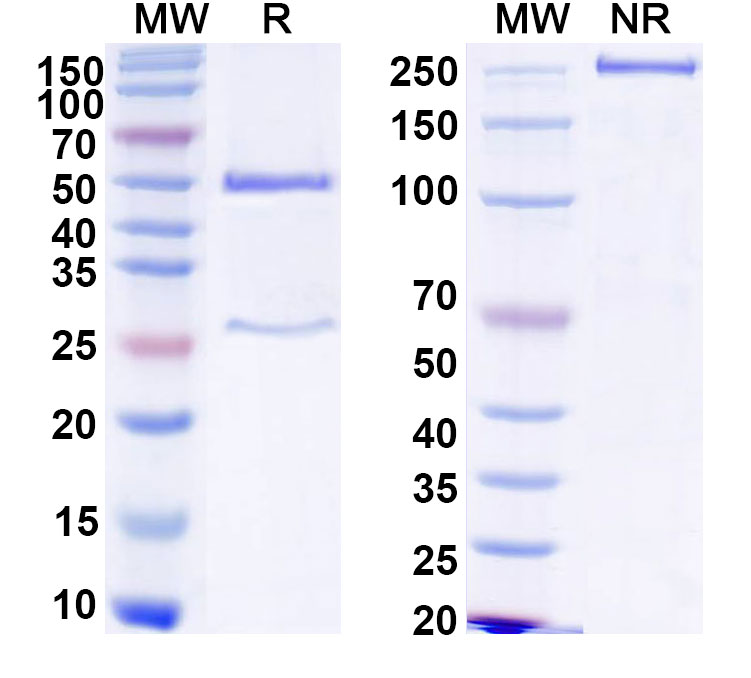
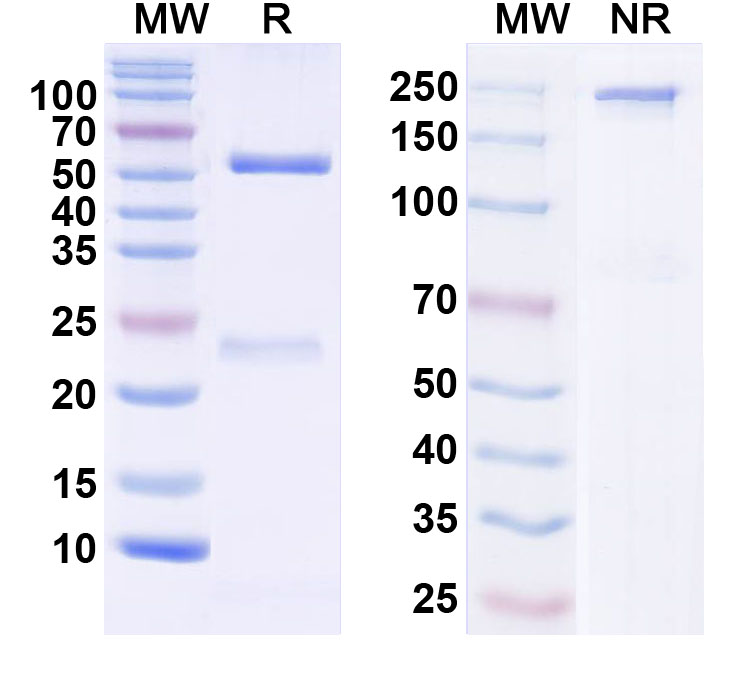
Peresolimab Biosimilar is a recombinant, fully humanized IgG4 monoclonal antibody. It is composed of two heavy chains and two light chains, each containing constant and variable regions. The variable regions are responsible for binding to the PD-1 receptor, while the constant regions determine the antibody’s effector functions.
Activity of Peresolimab Biosimilar
Peresolimab Biosimilar works by binding to the PD-1 receptor, which is expressed on the surface of T cells and plays a crucial role in regulating the immune response. When PD-1 is activated by its ligands, PD-L1 and PD-L2, it inhibits T cell activation and proliferation, leading to immune suppression. By binding to PD-1, Peresolimab Biosimilar blocks this inhibitory signal, allowing T cells to become activated and mount an immune response against cancer cells.
Applications of Peresolimab Biosimilar
Peresolimab Biosimilar has shown promising results in preclinical and clinical studies as a potential treatment for various types of cancer. It is currently being investigated for its efficacy in treating melanoma, non-small cell lung cancer, bladder cancer, and other solid tumors. Peresolimab Biosimilar has also shown potential in combination with other cancer therapies, such as chemotherapy and radiation, to enhance the anti-tumor immune response.
Mechanism of Action
Peresolimab Biosimilar’s mechanism of action is similar to that of its reference product, Pembrolizumab. By blocking the PD-1 receptor, it allows T cells to become activated and mount an immune response against cancer cells. This leads to the destruction of cancer cells and the inhibition of tumor growth.
Clinical Trials
Several clinical trials have been conducted to evaluate the safety and efficacy of Peresolimab Biosimilar. In a phase I study, Peresolimab Biosimilar showed a favorable safety profile and demonstrated clinical activity in patients with advanced solid tumors. In a phase II study, Peresolimab Biosimilar showed promising results in patients with advanced melanoma, with an overall response rate of 33%. These results are comparable to those of Pembrolizumab, the reference product.
Conclusion
Peresolimab Biosimilar, also known as Anti-PDCD1 mAb, is a research grade monoclonal antibody that targets the PD-1 receptor to enhance the anti-tumor immune response. It is composed of two heavy chains and two light chains and has shown promising results in preclinical and clinical studies as a potential treatment for various types of cancer. Peresolimab Biosimilar’s mechanism of action is similar to that of its reference product, Pembrolizumab, and it has a favorable safety profile. Further clinical trials are needed to fully evaluate its efficacy and potential applications in cancer treatment.



There are no reviews yet.