Introduction
Posdinemab Biosimilar, also known as Anti-MAPT mAb, is a research grade antibody that has been developed for the treatment of various neurodegenerative diseases. This innovative therapeutic agent targets the microtubule-associated protein tau (MAPT), which is involved in the formation of neurofibrillary tangles, a hallmark of many neurodegenerative disorders. In this article, we will explore the structure, activity, and potential applications of Posdinemab Biosimilar.
Structure of Posdinemab Biosimilar
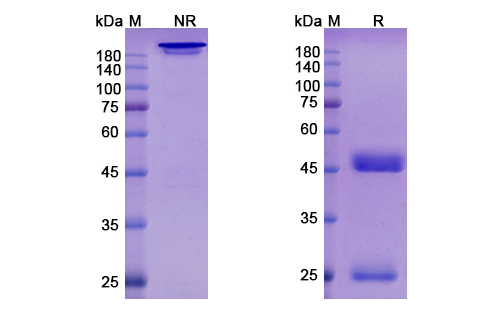
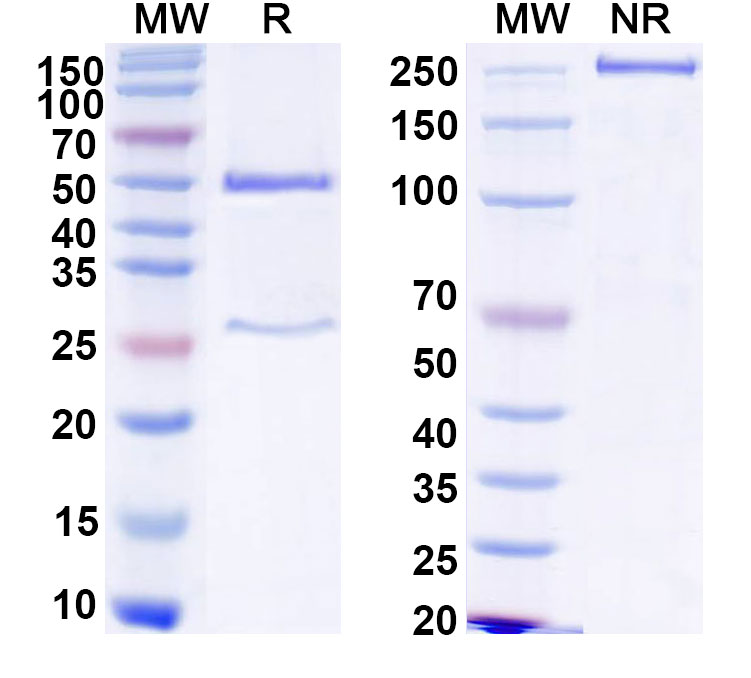
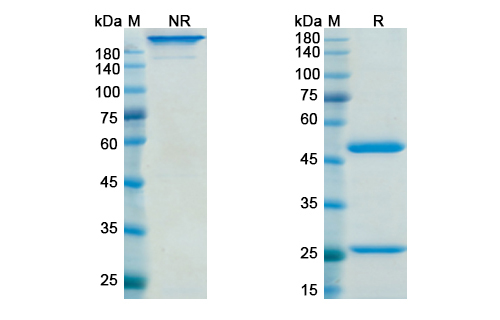
Posdinemab Biosimilar is a monoclonal antibody (mAb) that has been designed to specifically bind to the tau protein. It is composed of two heavy chains and two light chains, which are connected by disulfide bonds. The variable regions of the antibody, also known as the antigen-binding sites, are responsible for recognizing and binding to the target protein.
The constant region of the antibody, on the other hand, is responsible for mediating effector functions such as antibody-dependent cellular cytotoxicity (ADCC) and complement-dependent cytotoxicity (CDC). This unique structure of Posdinemab Biosimilar allows it to effectively target and neutralize the pathological effects of tau protein.
Activity of Posdinemab Biosimilar
The primary function of Posdinemab Biosimilar is to target and neutralize the tau protein, which plays a crucial role in the development and progression of neurodegenerative diseases such as Alzheimer’s disease, Parkinson’s disease, and frontotemporal dementia. Tau protein is known to form abnormal aggregates, or neurofibrillary tangles, in the brain, leading to neuronal dysfunction and cell death.
Posdinemab Biosimilar binds to the tau protein and prevents its aggregation, thereby reducing the formation of neurofibrillary tangles. This not only helps to slow down the progression of neurodegenerative diseases but also improves cognitive function and overall quality of life for patients.
In addition to its direct effect on tau protein, Posdinemab Biosimilar also has the potential to modulate the immune response in the brain. It has been shown to reduce neuroinflammation, which is known to contribute to the pathogenesis of many neurodegenerative diseases. This anti-inflammatory activity of Posdinemab Biosimilar may further enhance its therapeutic efficacy.
Applications of Posdinemab Biosimilar
Posdinemab Biosimilar has a wide range of potential applications in the treatment of neurodegenerative diseases. Its primary use is in the treatment of Alzheimer’s disease, as tau protein is one of the major pathological hallmarks of this condition. However, it may also be effective in other tauopathies such as frontotemporal dementia and progressive supranuclear palsy.
In addition to its potential as a therapeutic agent, Posdinemab Biosimilar can also be used as a research tool for studying the role of tau protein in neurodegenerative diseases. Its high specificity and affinity for tau protein make it a valuable tool for studying the pathological mechanisms underlying these disorders.
Furthermore, Posdinemab Biosimilar may also have potential applications in the diagnosis and monitoring of neurodegenerative diseases. By targeting tau protein, it can provide valuable insights into the progression of these conditions and help clinicians make more accurate diagnoses.
Conclusion
Posdinemab Biosimilar is a promising therapeutic agent that has been designed to target the tau protein, a key player in the development and progression of neurodegenerative diseases. Its unique structure, activity, and potential applications make it a valuable tool for both researchers and clinicians in the fight against these devastating conditions. With ongoing research and development, Posdinemab Biosimilar has the potential to significantly improve the lives of patients with neurodegenerative diseases.


There are no reviews yet.