Introduction to Bepranemab Biosimilar – Anti-MAPT mAb – Research Grade
Bepranemab Biosimilar, also known as Anti-MAPT mAb, is a monoclonal antibody developed for the treatment of neurodegenerative diseases associated with the accumulation of tau protein, such as Alzheimer’s disease. This research grade antibody offers a promising therapeutic approach for targeting tau protein and has the potential to improve the lives of millions of people suffering from these debilitating conditions.
Structure of Bepranemab Biosimilar
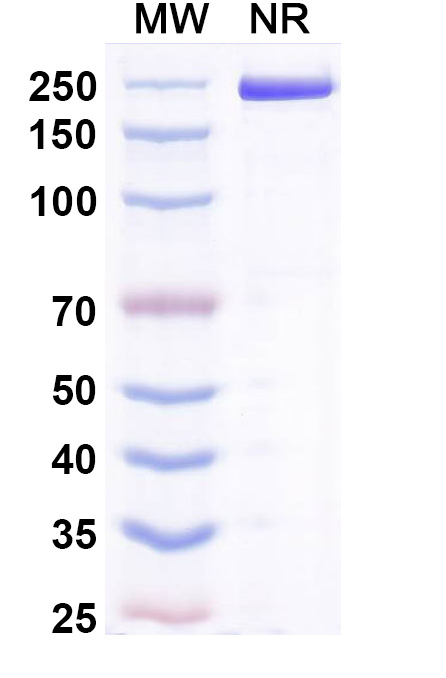
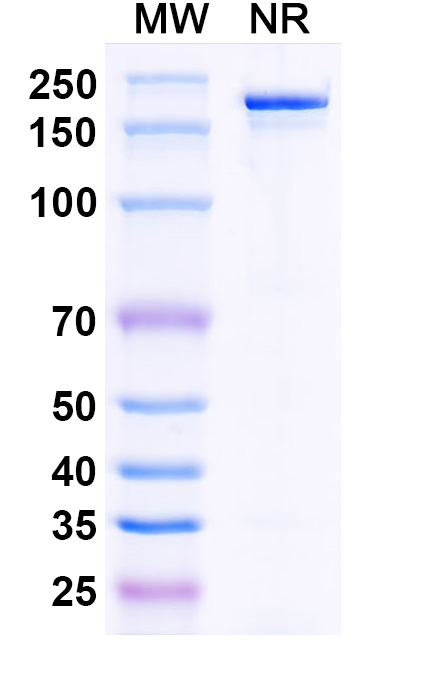
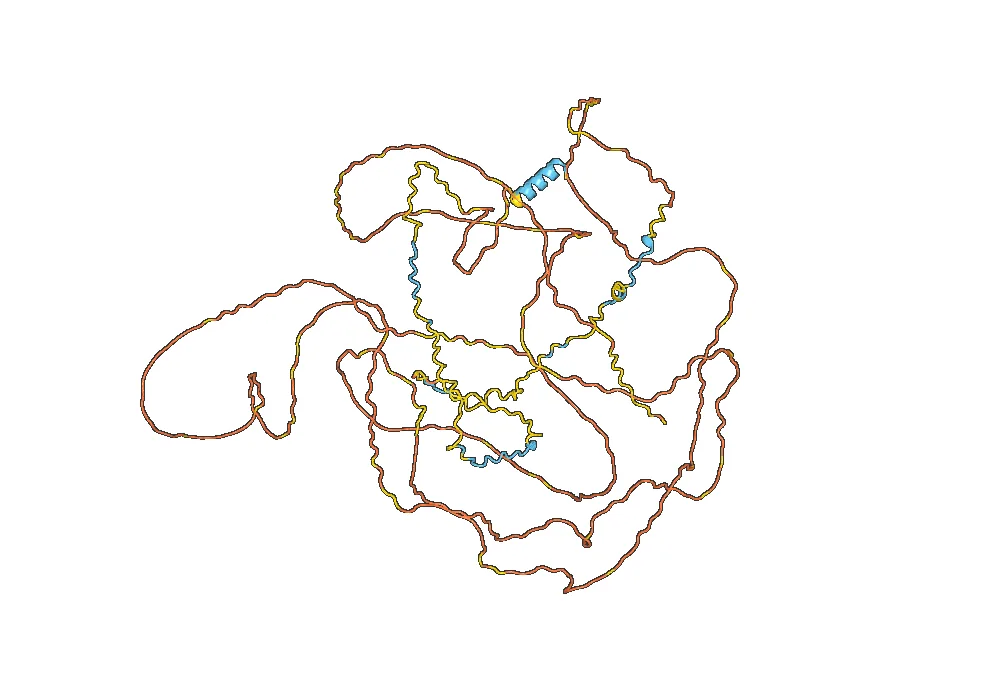
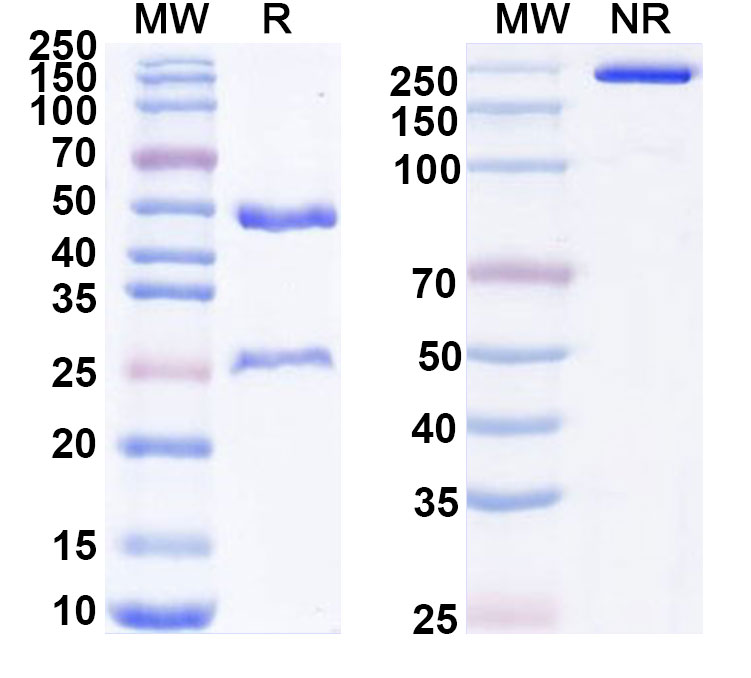
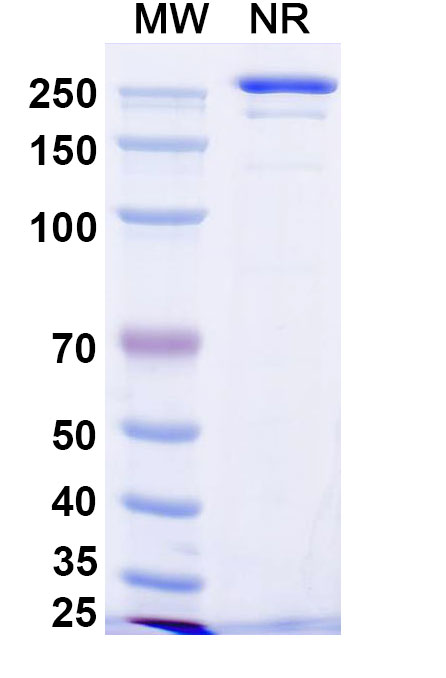
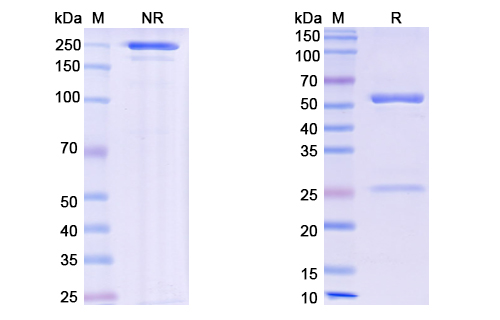
Bepranemab Biosimilar is a fully humanized monoclonal antibody that specifically binds to the microtubule-associated protein tau (MAPT). It is composed of two identical heavy chains and two identical light chains, connected by disulfide bonds. The antibody has a molecular weight of approximately 150 kDa and a half-life of approximately 21 days in humans.
Activity of Bepranemab Biosimilar
Bepranemab Biosimilar works by binding to the tau protein, which is found in high levels in the brain of individuals with neurodegenerative diseases such as Alzheimer’s. Tau protein is known to form abnormal clumps and tangles in the brain, leading to neuronal damage and cognitive decline. By binding to tau protein, Bepranemab Biosimilar prevents its aggregation and promotes its clearance, thereby slowing down the progression of the disease.
In addition, Bepranemab Biosimilar also has the potential to modulate the immune response in the brain. It has been shown to reduce the levels of pro-inflammatory cytokines, which are known to contribute to the neuroinflammation observed in neurodegenerative diseases. This anti-inflammatory activity of Bepranemab Biosimilar may further contribute to its therapeutic effect.
Application of Bepranemab Biosimilar
Bepranemab Biosimilar is currently being investigated as a potential treatment for Alzheimer’s disease, as well as other tauopathies such as progressive supranuclear palsy and frontotemporal dementia. It is being developed as a disease-modifying therapy, aimed at slowing down or halting the progression of these diseases.
Bepranemab Biosimilar is also being studied in preclinical models for its potential to prevent the spread of tau pathology from one brain region to another. This phenomenon, known as tau propagation, is thought to contribute to the widespread neuronal damage observed in neurodegenerative diseases. By targeting tau protein, Bepranemab Biosimilar may be able to block this spread and protect healthy brain cells from further damage.
In addition to its therapeutic potential, Bepranemab Biosimilar is also being used as a research tool for studying the role of tau protein in neurodegeneration. Its high specificity and affinity for tau protein make it a valuable tool for detecting and quantifying tau in biological samples, as well as for studying its function and interactions with other proteins.
Conclusion
In summary, Bepranemab Biosimilar is a promising monoclonal antibody with the potential to treat neurodegenerative diseases associated with tau protein accumulation. Its unique structure and mechanism of action make it a valuable therapeutic and research tool for targeting tau pathology. Ongoing clinical trials will provide further insights into the efficacy and safety of this antibody, and it is hoped that Bepranemab Biosimilar will become a valuable addition to the treatment options for neurodegenerative diseases in the near future.


There are no reviews yet.