Gosuranemab Biosimilar: A Revolutionary Anti-MAPT mAb for Neurodegenerative Diseases
Gosuranemab Biosimilar, also known as anti-MAPT mAb, is a monoclonal antibody that has shown great potential in the treatment of neurodegenerative diseases. This biosimilar is a highly specific and potent therapeutic agent that targets the microtubule-associated protein tau (MAPT), a key player in the pathogenesis of various neurodegenerative disorders. In this article, we will explore the structure, activity, and potential applications of Gosuranemab Biosimilar in the field of neurodegenerative disease research.
Structure of Gosuranemab Biosimilar
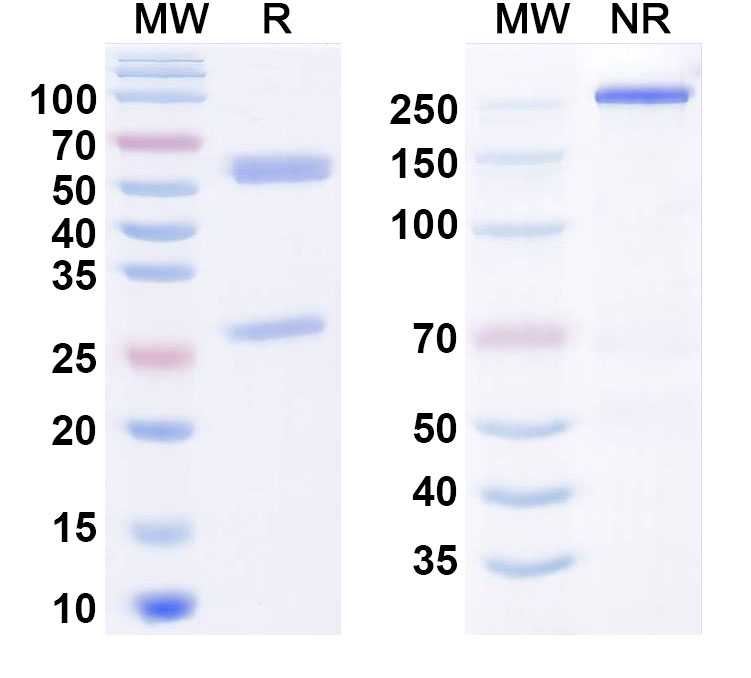
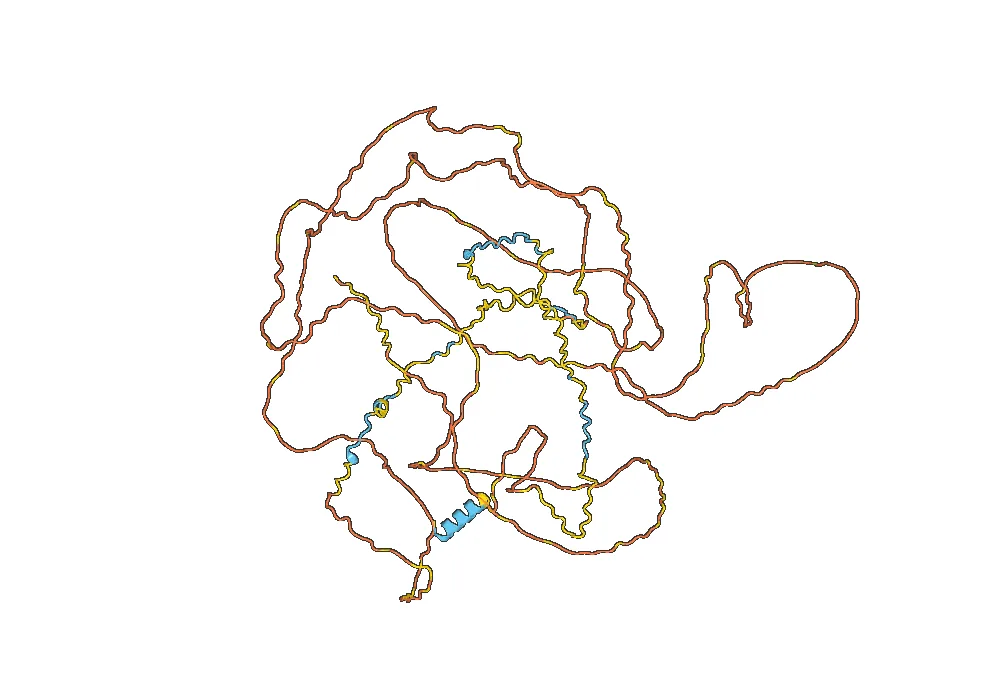
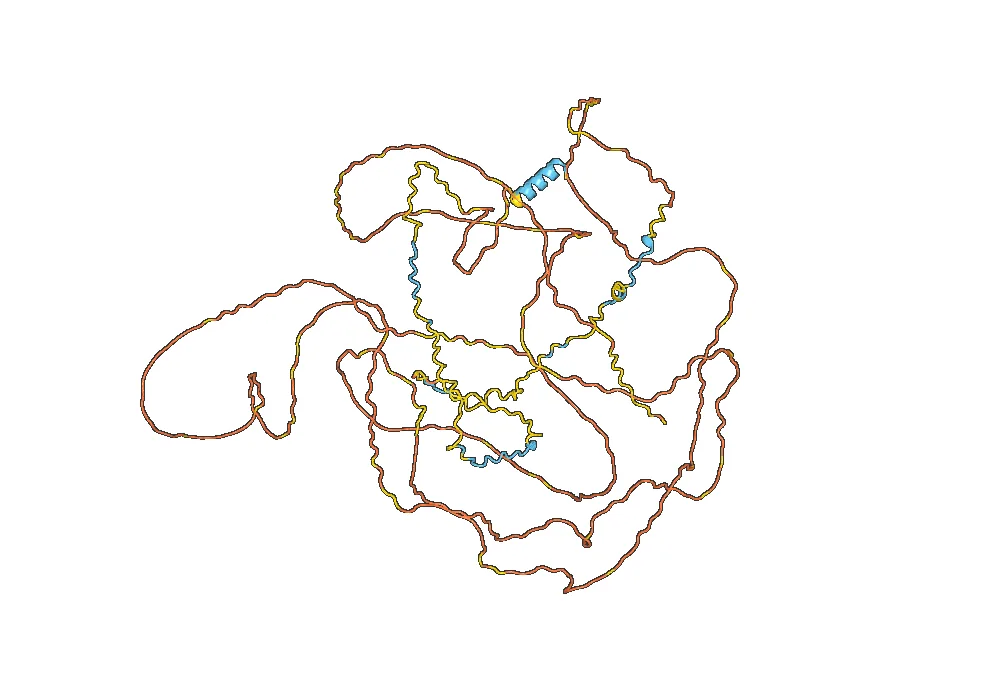
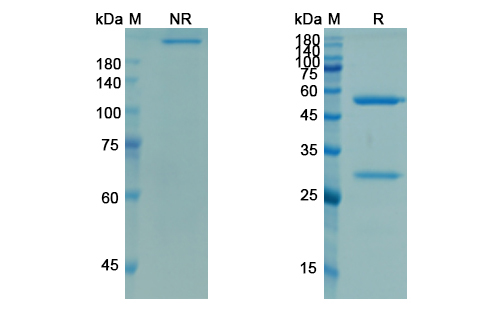
Gosuranemab Biosimilar is a fully humanized monoclonal antibody that is produced through recombinant DNA technology. It is a large protein molecule with a molecular weight of approximately 150 kDa. The antibody consists of two identical heavy chains and two identical light chains, which are connected by disulfide bonds. The heavy chains contain a constant region (Fc) and a variable region (Fab), while the light chains only have a variable region. The variable regions of the heavy and light chains are responsible for binding to the target protein, MAPT.
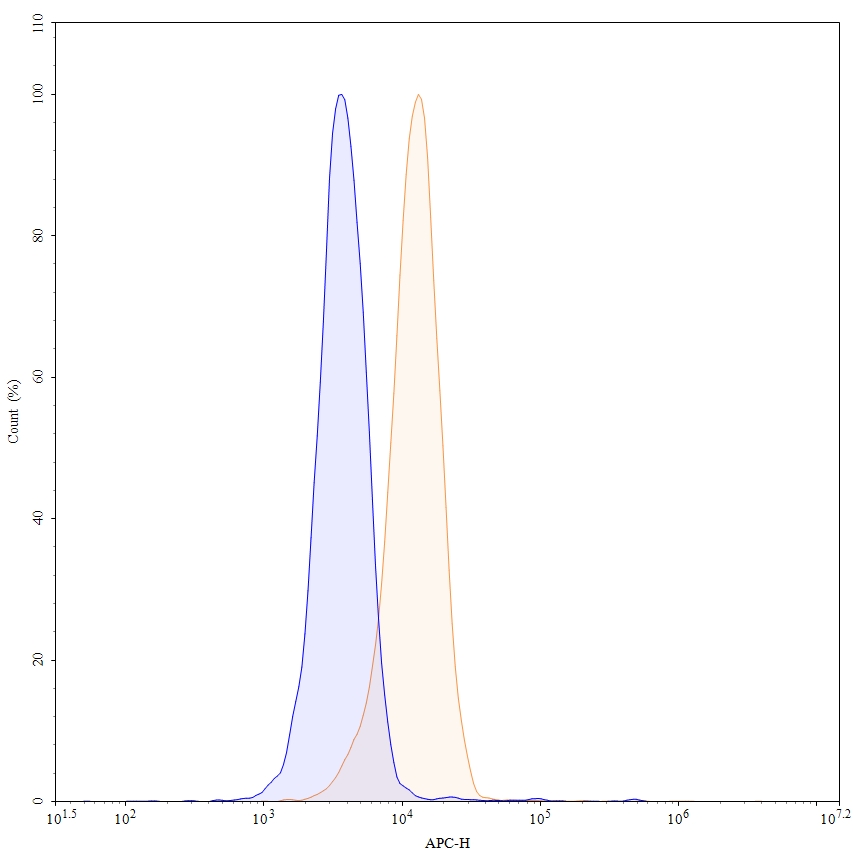
The unique structure of Gosuranemab Biosimilar allows it to specifically target and bind to MAPT, which is present in high levels in the brains of individuals with neurodegenerative diseases. This binding leads to the inhibition of MAPT aggregation, which is a hallmark of many neurodegenerative diseases, such as Alzheimer’s disease and frontotemporal dementia.
Activity of Gosuranemab Biosimilar
Gosuranemab Biosimilar has shown great promise in preclinical studies as a potential treatment for various neurodegenerative diseases. Its main mechanism of action is the prevention of MAPT aggregation, which is thought to contribute to the progression of these disorders. By binding to MAPT, Gosuranemab Biosimilar blocks the formation of toxic tau aggregates, which can cause neuronal damage and death. Additionally, the antibody has also been shown to promote the clearance of existing tau aggregates, further reducing their harmful effects.
In addition to its anti-aggregation properties, Gosuranemab Biosimilar has also been found to have anti-inflammatory and neuroprotective effects. This is due to its ability to modulate the activity of immune cells and promote the survival of neurons. These additional activities make Gosuranemab Biosimilar a promising candidate for the treatment of neurodegenerative diseases, as they can help to reduce the overall burden of these disorders on the brain.
Applications of Gosuranemab Biosimilar
Gosuranemab Biosimilar has the potential to be used in a variety of neurodegenerative diseases, including Alzheimer’s disease, frontotemporal dementia, and progressive supranuclear palsy. It is currently being evaluated in clinical trials for the treatment of Alzheimer’s disease, and early results have shown promising effects in reducing cognitive decline and improving overall brain function.
Aside from its potential therapeutic applications, Gosuranemab Biosimilar is also a valuable tool for research in the field of neurodegenerative diseases. Its ability to specifically target MAPT and inhibit its aggregation provides researchers with a powerful tool to study the role of this protein in disease progression. This can lead to a better understanding of the underlying mechanisms of neurodegenerative diseases and aid in the development of new treatments.
Conclusion
In summary, Gosuranemab Biosimilar is a groundbreaking anti-MAPT monoclonal antibody that has shown great potential in the treatment of neurodegenerative diseases. Its unique structure and activity make it a highly specific and potent therapeutic agent, with the ability to target MAPT and prevent its aggregation. With ongoing clinical trials and further research, Gosuranemab Biosimilar has the potential to revolutionize the treatment of neurodegenerative diseases and improve the lives of millions


There are no reviews yet.