Introduction
DC8E8 Biosimilar, also known as Anti-tau monoclonal antibody (mAb), is a research grade therapeutic antibody that has been developed as a biosimilar to the original DC8E8 antibody. It is a highly specific and potent antibody that targets the tau protein, which is involved in the pathogenesis of neurodegenerative diseases such as Alzheimer’s disease. In this article, we will discuss the structure, activity, and potential applications of DC8E8 Biosimilar in the field of antibody-based therapeutics.
Structure of DC8E8 Biosimilar
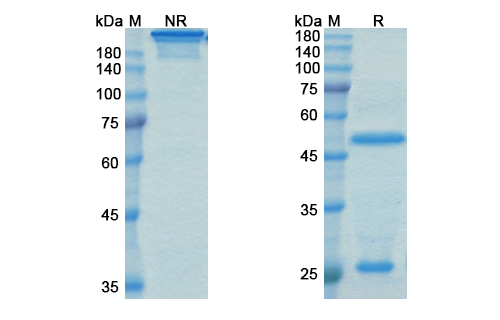
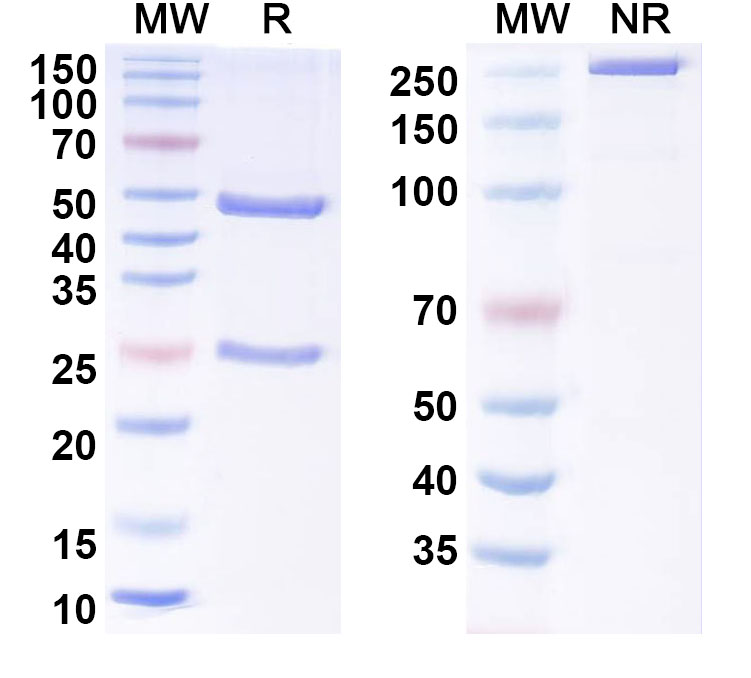
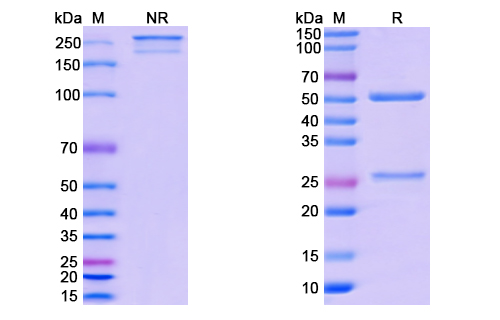
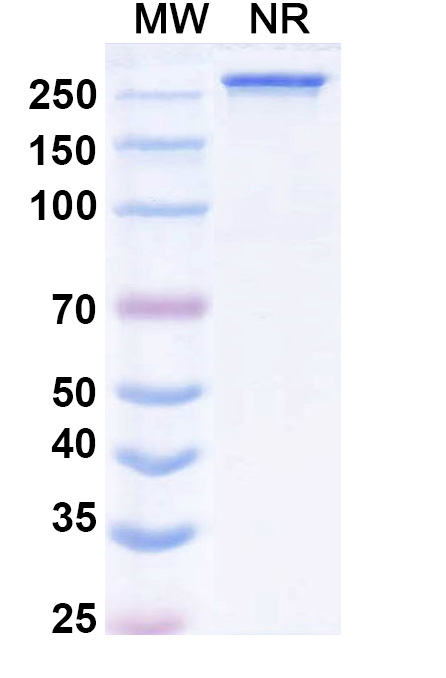
DC8E8 Biosimilar is a monoclonal antibody that is produced by recombinant DNA technology. It is composed of two heavy chains and two light chains, which are connected by disulfide bonds. The heavy chains consist of constant and variable regions, while the light chains have only variable regions. The variable regions of the antibody are responsible for binding to the tau protein, while the constant regions determine the effector functions of the antibody.
Activity of DC8E8 Biosimilar
The main activity of DC8E8 Biosimilar is its ability to bind to the tau protein with high specificity and affinity. The tau protein is a microtubule-associated protein that is found in the central nervous system. In neurodegenerative diseases such as Alzheimer’s, the tau protein becomes hyperphosphorylated, leading to the formation of neurofibrillary tangles and neuronal damage. DC8E8 Biosimilar binds to the tau protein and prevents its aggregation, thereby reducing the formation of neurofibrillary tangles and protecting neurons from damage.
In addition to its binding activity, DC8E8 Biosimilar also has effector functions that can contribute to its therapeutic effects. These include antibody-dependent cellular cytotoxicity (ADCC) and complement-dependent cytotoxicity (CDC). ADCC involves the recruitment of immune cells to target and kill cells that are bound by the antibody, while CDC involves the activation of the complement system to destroy the targeted cells. These effector functions can enhance the efficacy of DC8E8 Biosimilar in clearing tau protein and protecting neurons.
Applications of DC8E8 Biosimilar
DC8E8 Biosimilar has potential applications in the treatment of neurodegenerative diseases, particularly Alzheimer’s disease. It can be used as a disease-modifying therapy to slow down the progression of the disease by reducing the formation of neurofibrillary tangles and preserving neuronal function. In addition, DC8E8 Biosimilar can also be used as a diagnostic tool to detect the presence of hyperphosphorylated tau protein in the brain, which is a hallmark of Alzheimer’s disease.
Furthermore, DC8E8 Biosimilar can also be used in research studies to investigate the role of tau protein in other neurodegenerative diseases and to develop new therapeutic strategies. Its high specificity and potency make it a valuable tool for studying the mechanisms of tau protein aggregation and its potential as a therapeutic target.
Conclusion
DC8E8 Biosimilar is a research grade therapeutic antibody that targets the tau protein, a key player in the pathogenesis of neurodegenerative diseases. Its unique structure and activity make it a promising candidate for the treatment of Alzheimer’s disease and other tauopathies. In addition, its potential applications in research make it a valuable tool for studying the role of tau protein in neurodegenerative diseases. Further clinical trials are needed to fully evaluate the efficacy and safety of DC8E8 Biosimilar as a therapeutic agent, but its potential as a disease-modifying therapy for Alzheimer’s disease is promising.


There are no reviews yet.