Loncastuximab Biosimilar – Anti-CD19 mAb – Research Grade Introduction
Loncastuximab Biosimilar is a monoclonal antibody (mAb) that specifically targets the CD19 protein, making it a promising therapeutic option for various diseases. In this article, we will discuss the structure, activity, and potential applications of this research grade antibody.
Structure of Loncastuximab Biosimilar
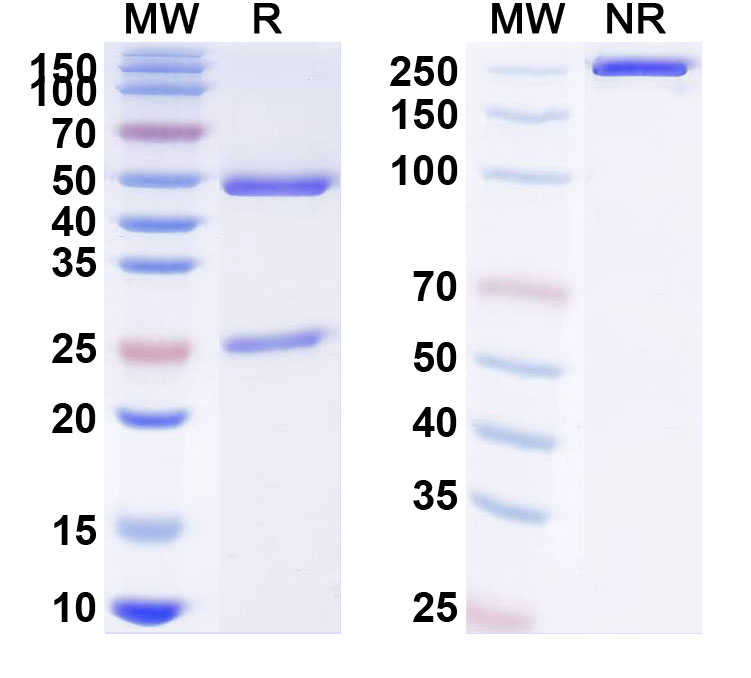
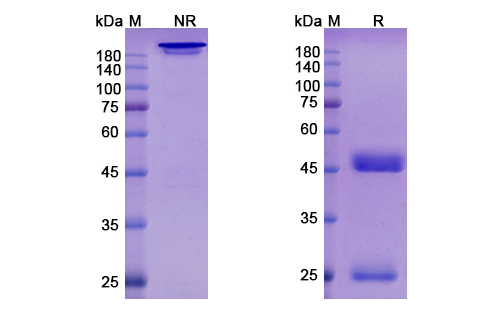
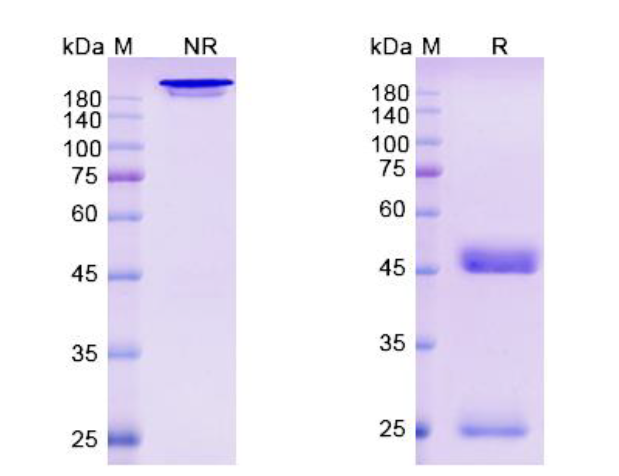
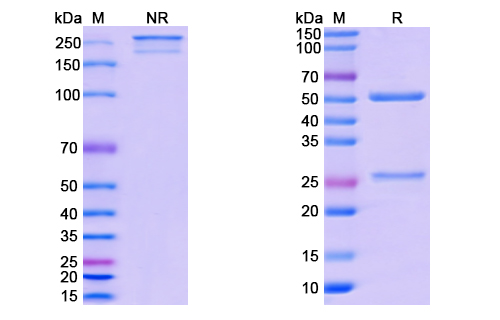
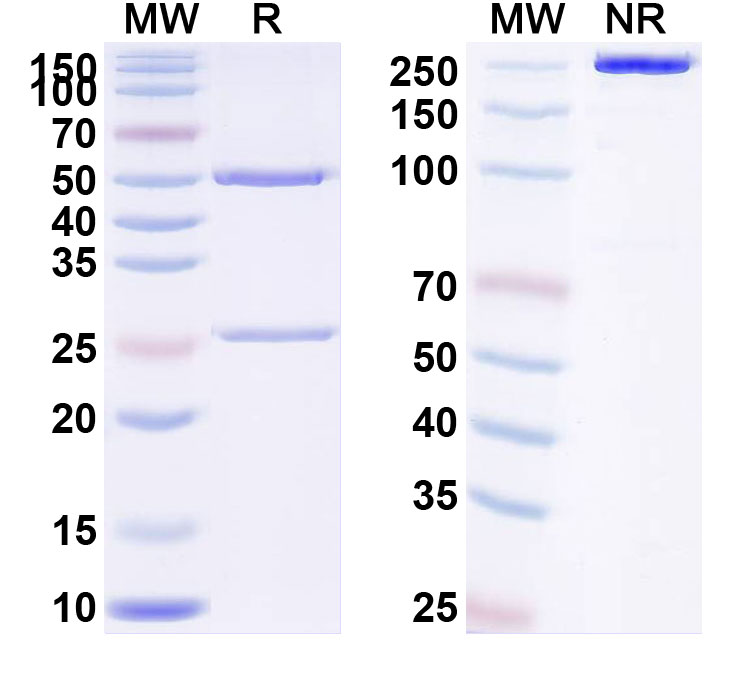
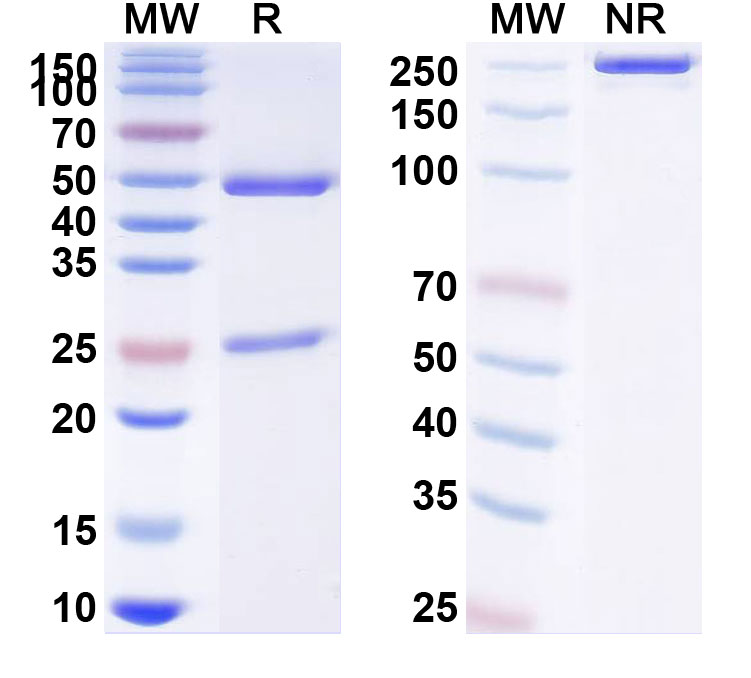
Loncastuximab Biosimilar is a recombinant, chimeric antibody composed of both human and mouse components. It is comprised of two heavy chains and two light chains, each containing variable and constant regions. The variable regions are responsible for binding to the CD19 protein, while the constant regions determine the antibody’s effector functions.
Activity of Loncastuximab Biosimilar
As an anti-CD19 mAb, Loncastuximab Biosimilar specifically targets the CD19 protein, which is found on the surface of B cells. When bound to CD19, the antibody triggers a series of events that lead to the destruction of the targeted B cells. This includes activation of the complement system, recruitment of immune cells, and induction of apoptosis.
Additionally, Loncastuximab Biosimilar has been engineered to have a longer half-life and increased binding affinity compared to its natural counterpart. This allows for better and longer-lasting targeting of CD19-positive cells, making it a more effective therapeutic option.
Applications of Loncastuximab Biosimilar
1. Treatment of B cell malignancies One of the main applications of Loncastuximab Biosimilar is in the treatment of B cell malignancies such as non-Hodgkin’s lymphoma and chronic lymphocytic leukemia. These cancers are characterized by the overproduction of B cells, and Loncastuximab Biosimilar specifically targets and eliminates these cells, leading to tumor regression.
2.
Autoimmune disorders
Loncastuximab Biosimilar has also shown potential in the treatment of autoimmune disorders such as rheumatoid arthritis and systemic lupus erythematosus. These diseases are caused by an overactive immune response, and Loncastuximab Biosimilar’s ability to selectively target and eliminate specific B cells may help to regulate the immune system and reduce disease symptoms.
3.
Transplant rejection
In organ and stem cell transplantations, rejection occurs when the recipient’s immune system recognizes the transplanted cells as foreign and attacks them. Loncastuximab Biosimilar has been investigated as a potential therapy to prevent transplant rejection by selectively targeting and depleting B cells, which are involved in the immune response against transplanted cells.
4. Research tool Loncastuximab Biosimilar is also widely used as a research tool in various studies investigating the role of CD19 in different diseases. Its high specificity and affinity for CD19 make it a valuable tool for studying the function and regulation of this protein in various cellular processes.
Conclusion
In summary, Loncastuximab Biosimilar is a chimeric anti-CD19 mAb with a unique structure and highly specific activity. It has shown promising results in the treatment of B cell malignancies, autoimmune disorders, and transplant rejection, and is also widely used as a research tool. Further studies and clinical trials are needed to fully understand the potential applications of this antibody in various diseases.


There are no reviews yet.