Introduction to Zagotenemab Biosimilar – Anti-MAPT mAb
Zagotenemab Biosimilar, also known as Anti-MAPT mAb, is a monoclonal antibody that targets microtubule-associated protein tau (MAPT). It is a research grade antibody that has shown promising results in preclinical studies for the treatment of neurodegenerative diseases such as Alzheimer’s and Parkinson’s.
Structure of Zagotenemab Biosimilar
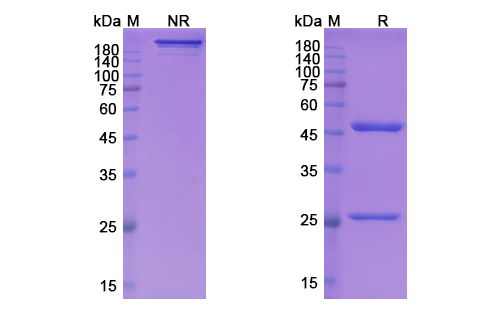
Zagotenemab Biosimilar is a recombinant humanized IgG1 monoclonal antibody. It is composed of two heavy chains and two light chains, each containing a variable region and a constant region. The variable region is responsible for binding to the target protein, MAPT, while the constant region determines the antibody’s effector functions.
Activity of Zagotenemab Biosimilar
The main activity of Zagotenemab Biosimilar is to bind to MAPT and prevent its aggregation. MAPT is a protein found in the brain that helps in the assembly and stabilization of microtubules, which are important for maintaining the structure and function of nerve cells. In neurodegenerative diseases, such as Alzheimer’s and Parkinson’s, MAPT becomes abnormally phosphorylated and forms aggregates, leading to the death of nerve cells. Zagotenemab Biosimilar binds to MAPT and prevents its aggregation, thereby protecting nerve cells from damage.
In addition to its anti-aggregation activity, Zagotenemab Biosimilar also has other effector functions such as antibody-dependent cellular cytotoxicity (ADCC) and complement-dependent cytotoxicity (CDC). These functions help in clearing the aggregated MAPT and damaged nerve cells, further aiding in the treatment of neurodegenerative diseases.
Application of Zagotenemab Biosimilar
Zagotenemab Biosimilar has potential applications in the treatment of neurodegenerative diseases, particularly Alzheimer’s and Parkinson’s. It can be used as a therapeutic agent to slow down the progression of these diseases by preventing the aggregation of MAPT and protecting nerve cells. It can also be used as a research tool to study the role of MAPT in neurodegeneration and to develop new treatment strategies.
In addition, Zagotenemab Biosimilar can also be used in diagnostic assays for the detection of MAPT aggregates in patient samples. This can aid in early diagnosis and monitoring of disease progression.
Conclusion
Zagotenemab Biosimilar, also known as Anti-MAPT mAb, is a promising research grade antibody that targets MAPT and has shown potential in the treatment of neurodegenerative diseases. Its unique structure and activity make it a valuable tool for both research and therapeutic purposes. Further clinical trials are needed to fully assess its efficacy and safety in the treatment of neurodegenerative diseases.


There are no reviews yet.