Introduction
Sirtratumab Biosimilar, also known as Anti-SLITRK6 mAb, is a monoclonal antibody that has been developed as a biosimilar to the original Sirtratumab. This antibody has been designed to target SLITRK6, a protein that is involved in various cellular processes and has been linked to certain diseases. In this article, we will explore the structure, activity, and potential applications of Sirtratumab Biosimilar as a research-grade antibody.
Structure of Sirtratumab Biosimilar
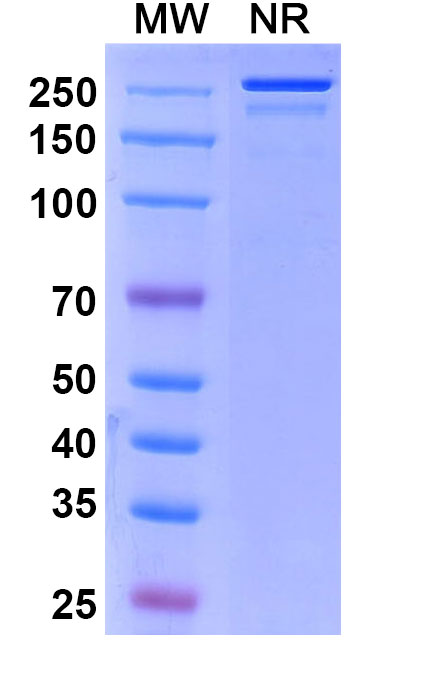
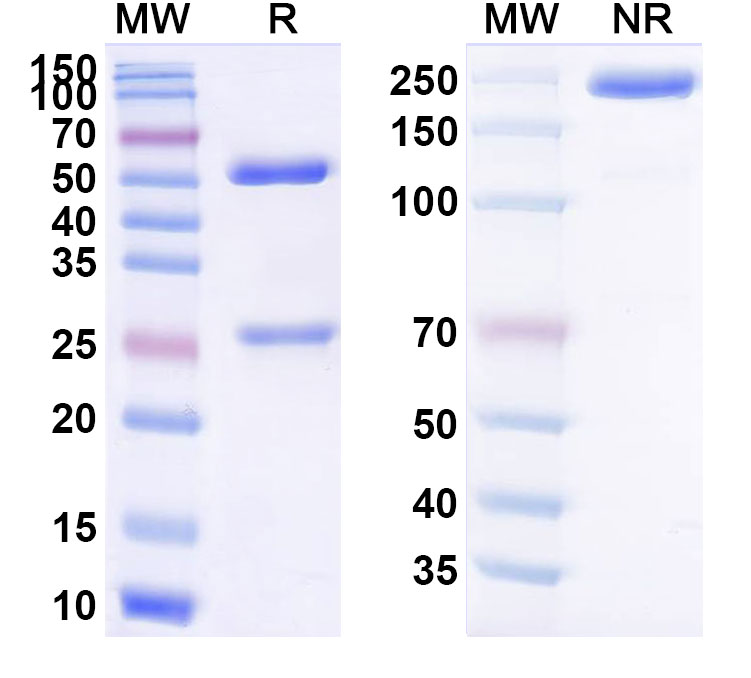
Sirtratumab Biosimilar is a recombinant humanized monoclonal antibody, meaning it is produced in the laboratory using genetic engineering techniques. It is composed of two heavy chains and two light chains, each containing variable and constant regions. The variable regions are responsible for binding to the specific target, SLITRK6, while the constant regions provide stability and mediate effector functions.
The structure of Sirtratumab Biosimilar is similar to that of the original Sirtratumab, with minor modifications made to ensure its biosimilarity. These modifications do not affect the binding affinity or specificity of the antibody, but are necessary to meet regulatory guidelines for biosimilars.
Activity of Sirtratumab Biosimilar
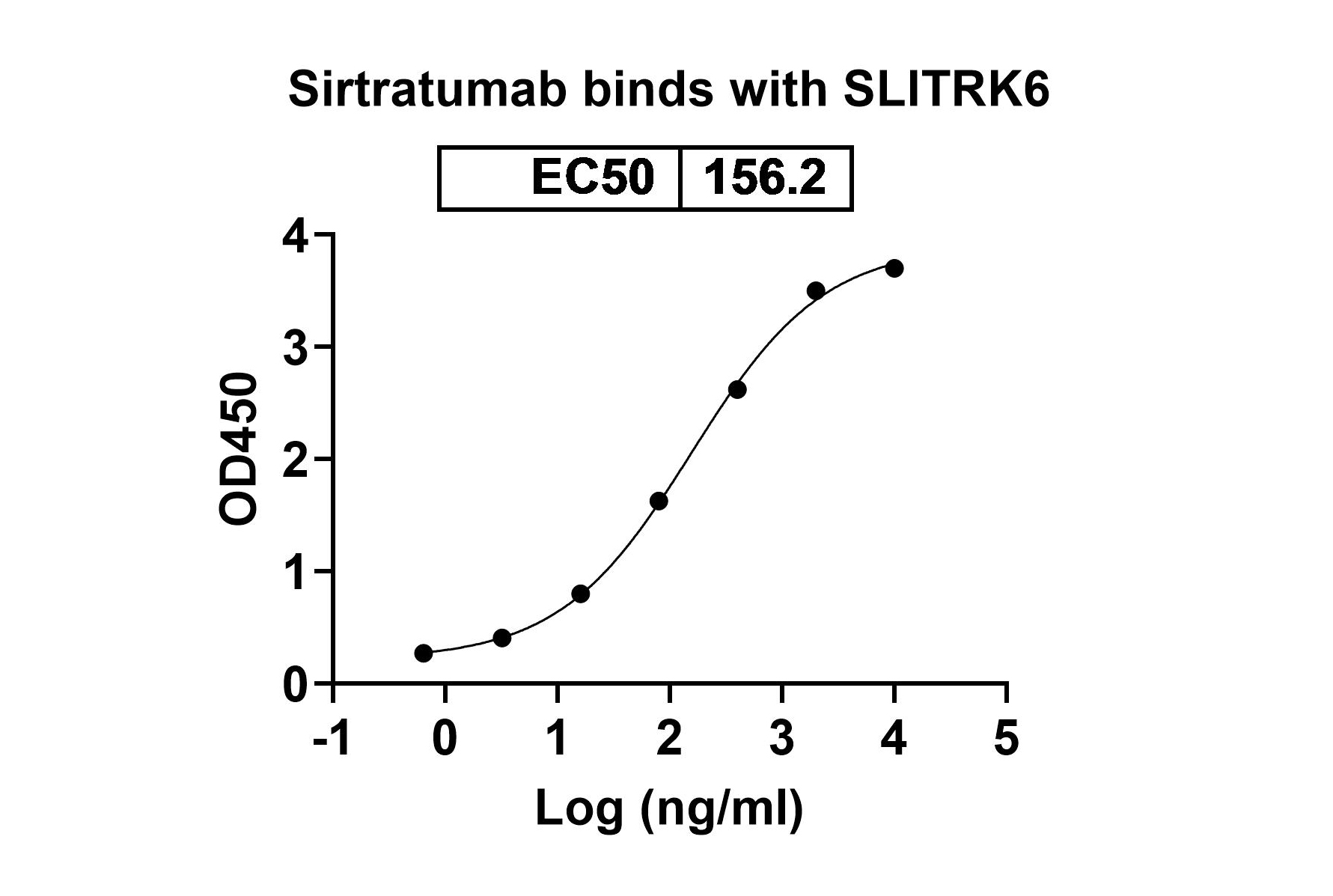
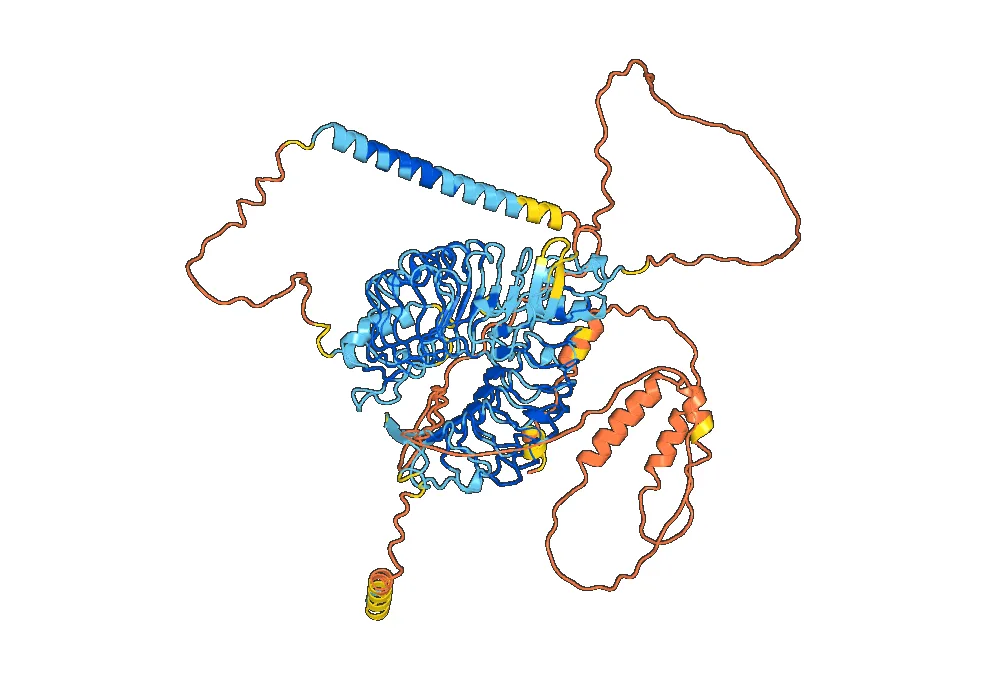
The primary activity of Sirtratumab Biosimilar is to bind to SLITRK6, a transmembrane protein that is expressed in various tissues. SLITRK6 has been implicated in cell growth, differentiation, and immune response, making it a potential therapeutic target for various diseases.
When Sirtratumab Biosimilar binds to SLITRK6, it can block its activity and disrupt the cellular processes it is involved in. This can have therapeutic effects in diseases where SLITRK6 is overactive or dysregulated. Additionally, Sirtratumab Biosimilar can also activate the body’s immune system to target cells expressing SLITRK6, leading to cell death.
Applications of Sirtratumab Biosimilar
Sirtratumab Biosimilar is primarily being developed as a research-grade antibody for use in laboratory studies. It can be used to study the function of SLITRK6 and its role in diseases such as cancer, autoimmune disorders, and neurological disorders. By targeting SLITRK6, researchers can gain a better understanding of its role in these diseases and potentially identify new therapeutic targets.
Furthermore, Sirtratumab Biosimilar may also have potential as a therapeutic antibody in the future. Its ability to target SLITRK6 and modulate its activity makes it a promising candidate for the treatment of diseases where SLITRK6 is implicated. However, further clinical trials and regulatory approvals are required before it can be used as a therapeutic antibody.
Conclusion
Sirtratumab Biosimilar, also known as Anti-SLITRK6 mAb, is a recombinant humanized monoclonal antibody designed to target SLITRK6. Its structure is similar to the original Sirtratumab, but with minor modifications to ensure biosimilarity. The primary activity of Sirtratumab Biosimilar is to bind to SLITRK6 and disrupt its function, making it a valuable tool in research studies. It also has potential as a therapeutic antibody in the future, but further studies are needed. Overall, Sirtratumab Biosimilar shows promise as a research-grade antibody for studying the role of SLITRK6 in various diseases.

There are no reviews yet.