
Cart (0 Items)
Your cart is currently empty.
View ProductsIt looks like you are visiting from outside the EU. Switch to the US version to see local pricing in USD and local shipping.
Switch to US ($)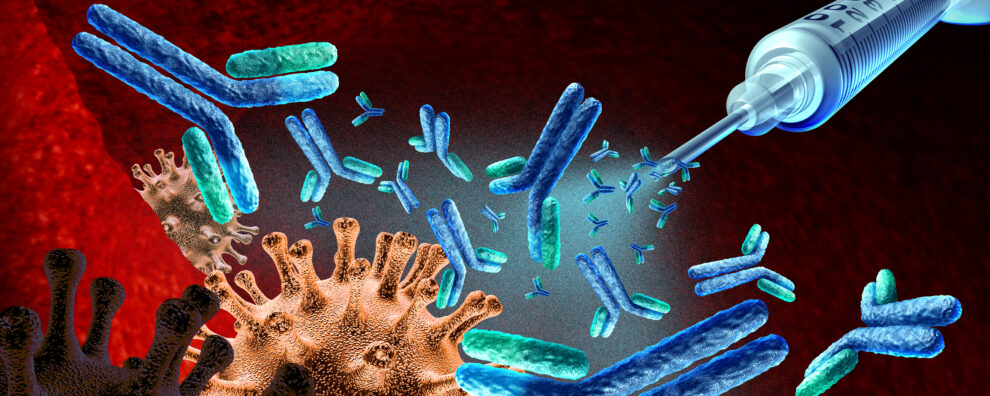 Antibody production
 Thomas Meyer
Therapeutic antibodies have become pivotal in treating a wide range of diseases, from cancer and autoimmune disorders to infectious diseases. These biologic drugs, harnessed from the immune system, offer a level of specificity that often results in treatments that are both more effective and less toxic compared to traditional therapies. However, a significant challenge in their clinical application is immunogenicity—the propensity of these antibodies to induce an immune response in patients.
Immunogenicity, in the context of therapeutic antibodies, refers to the body’s immune system recognizing the antibody as foreign and mounting a response, typically through the production of anti-drug antibodies (ADAs). These ADAs can neutralize the therapeutic effect of the antibody, alter its pharmacokinetics, and potentially lead to adverse reactions ranging from mild allergic responses to severe anaphylaxis. The presence of ADAs not only diminishes the efficacy of the treatment but also raises serious safety concerns, making immunogenicity a critical factor in the design and development of these therapies.
The implications of immunogenicity extend far beyond the immediate neutralization of therapeutic antibodies. Rapid clearance from the bloodstream can drastically reduce the therapeutic window, and in some instances, ADAs may cross-react with endogenous proteins, leading to autoimmune-like symptoms. Factors such as the antibody’s origin—whether murine, chimeric, humanized, or fully human—along with the patient’s genetic makeup, disease state, and treatment regimen, all influence the likelihood and severity of immunogenic responses. The multifaceted nature of these responses makes predicting and mitigating immunogenicity a complex yet essential challenge.
Addressing immunogenicity is paramount for improving the safety and effectiveness of therapeutic antibodies. Strategies like antibody humanization, glycosylation pattern optimization, and advanced computational epitope prediction are crucial in reducing the likelihood of immunogenic responses. These techniques aid in designing antibodies that are less likely to be seen as foreign by the patient’s immune system, thereby minimizing the risk of ADA development. Comprehensive clinical and preclinical testing, including in vitro and in silico assessments, is vital for identifying potential immunogenic risks early in the development process.
This blog article aims to provide a detailed overview of the current challenges and strategies in reducing immunogenicity in therapeutic antibodies. We will delve into the mechanisms that underlie immunogenic responses, explore the latest advancements in antibody engineering, and discuss regulatory considerations for immunogenicity assessment. Our goal is to offer valuable insights for researchers, clinicians, and industry professionals working towards the development of safer and more effective antibody therapies.
We will guide you through the complexities of immunogenicity, outline the most effective strategies for mitigating this issue, and showcase ProteoGenix’s expertise in developing custom antibody solutions tailored to reduce immunogenic risks. Whether you are a researcher exploring the nuances of antibody design or a clinician interested in the practical applications of these insights, this blog will equip you with the knowledge and tools needed to navigate the critical aspects of therapeutic antibody development. Let’s delve into the intricate world of therapeutic antibodies and uncover the innovations that are paving the way for the next generation of safer, more effective treatments.
Immunogenicity in the context of therapeutic antibodies refers to the propensity of these biologic agents to elicit an immune response upon administration. This response is typically characterized by the production of anti-drug antibodies (ADAs), which can arise from the immune system’s recognition of the therapeutic antibody as foreign. The development of ADAs is a multifaceted process that can significantly alter the pharmacokinetics, pharmacodynamics, and overall clinical effectiveness of the therapeutic antibody.
Several biological mechanisms can lead to the generation of an immunogenic response against therapeutic antibodies:
Epitope Recognition: The immune system identifies specific regions, known as epitopes, on the therapeutic antibody that differ from endogenous proteins. These epitopes can be part of the antibody’s variable region or result from post-translational modifications. The immune response is often initiated when these epitopes are presented by antigen-presenting cells (APCs) via major histocompatibility complex (MHC) molecules to T cells.
Anti-Drug Antibodies (ADAs): ADAs can be divided into two primary categories:
Factors Influencing Immunogenicity:
The immunogenicity of therapeutic antibodies can profoundly affect both their efficacy and safety profile. The clinical implications are varied and can lead to a range of adverse outcomes:
Technical and Scientific Obstacles in Creating Low-Immunogenic Antibodies
Limitations in Predicting and Mitigating Immunogenic Responses
Other Challenges in Developing Low-Immunogenic Therapeutic Antibodies
Examination of Past Therapeutic Antibodies with Immunogenic Issues
Antibody humanization is a pivotal strategy in reducing the immunogenicity of therapeutic antibodies originally derived from non-human species. The most common technique involves grafting the complementarity-determining regions (CDRs) of a non-human antibody onto a human antibody framework. This process, known as CDR grafting, aims to retain the antigen-binding specificity of the original antibody while minimizing the presence of non-human sequences that could be recognized as foreign by the human immune system.
Another advanced technique is framework shuffling, where different human frameworks are tested to find the one that best supports the CDRs structurally and functionally. Additionally, veneering involves replacing surface-exposed residues that differ between human and non-human sequences with human residues to further reduce immunogenicity. These methodologies are crucial for developing custom therapeutic antibodies that are both effective and safe for clinical use.
Fully human antibodies, derived from technologies such as phage display libraries or transgenic animals, offer the advantage of having no non-human sequences, thereby significantly reducing the risk of immunogenicity. Phage display involves selecting antibodies from a vast library of human antibody fragments displayed on bacteriophages, while transgenic animals are genetically engineered to produce fully human antibodies.
The primary advantage of fully human antibodies is their minimized potential for inducing anti-drug antibodies (ADAs), as they are inherently more compatible with the human immune system. This compatibility makes them ideal candidates for developing therapies for various conditions, including cancer, autoimmune diseases, and emerging infections like COVID-19. However, a limitation is that these technologies can be complex and resource-intensive, requiring sophisticated infrastructure and expertise. Moreover, despite their human origin, fully human antibodies can still elicit immune responses due to subtle structural differences or post-translational modifications, necessitating thorough characterization and monitoring during development and clinical trials.
Epitope masking involves obscuring immunogenic epitopes on the antibody surface to prevent recognition by the immune system. This can be achieved by glycan shielding, where glycosylation is strategically added to cover potential T-cell epitopes without interfering with the antibody’s antigen-binding function. Another method is peptide masking, where small peptides are attached to the antibody to block immune-accessible regions.
Deimmunization strategies focus on modifying immunogenic epitopes to avoid recognition by T cells. This can involve site-directed mutagenesis to alter amino acid residues within the epitope, reducing its binding affinity for MHC molecules and subsequent T-cell activation. Epitope excision involves the removal of entire peptide sequences that are recognized by the immune system. Epitope clustering is another approach where potential immunogenic regions are clustered in less accessible parts of the antibody structure, reducing their immunogenic potential.
Glycosylation, a critical post-translational modification, significantly influences the immunogenicity, stability, and pharmacokinetics of therapeutic antibodies. Glycan structures on the Fc region of antibodies can affect their interaction with Fc receptors and complement proteins, modulating immune responses. Non-human glycan structures, such as α-Gal or Neu5Gc, can be highly immunogenic in humans.
To minimize immunogenicity, glycosylation patterns can be optimized by using engineered cell lines that produce human-like glycans. Techniques such as glycoengineering involve modifying the glycosylation machinery of the production host cells, ensuring that the resulting antibodies lack non-human glycan structures. Additionally, enzymatic glycan remodeling can be employed post-purification to remove or modify specific glycan residues, achieving the desired glycosylation profile. This precision ensures consistency across production batches, reducing the risk of immunogenic reactions due to glycan variability.
Protein stability is a crucial factor in reducing the immunogenicity of therapeutic antibodies. Stable antibodies are less likely to aggregate, a common cause of immunogenicity. Engineering disulfide bonds, introducing stabilizing mutations, and optimizing buffer conditions are some strategies used to enhance stability. Antibody fragment engineering, such as creating Fab or scFv fragments, can also improve stability by eliminating the Fc region, which is prone to aggregation.
Stable proteins are less likely to expose hydrophobic regions that can act as immunogenic epitopes. Aggregation can result in the formation of multivalent structures that are highly immunogenic due to enhanced cross-linking of B cell receptors. Therefore, ensuring the stability of therapeutic antibodies through rigorous formulation and production processes is vital for minimizing their immunogenic potential. Formulation strategies, such as lyophilization and the use of stabilizers, also play a critical role in maintaining antibody integrity throughout the shelf life.
In silico methods are increasingly used to predict the immunogenic potential of therapeutic antibodies. These tools can identify potential T-cell epitopes using epitope prediction algorithms that analyze peptide-MHC binding affinities. Molecular dynamics simulations can provide insights into the conformational stability of antibody structures and their potential to form aggregates. Additionally, bioinformatics tools can assess the sequence homology of antibodies to human proteins, predicting the likelihood of immune tolerance.
Machine learning (ML) models are being developed to predict immunogenicity by analyzing large datasets of known immunogenic and non-immunogenic sequences. These models can learn complex patterns that traditional methods may miss, providing a more accurate prediction of immunogenic risk. Integrating bioinformatics with ML, researchers can also identify novel patterns and features that contribute to immunogenicity. This integration helps in the design of antibodies with minimized immunogenic regions, enhancing their safety and efficacy profiles.
Regulatory agencies, including the FDA and EMA, provide comprehensive guidelines for assessing the immunogenicity of therapeutic antibodies. These guidelines emphasize the need for a thorough evaluation of ADA formation through clinical trials and post-marketing surveillance. They recommend the use of standardized assays for detecting and characterizing ADAs, including their neutralizing potential and impact on drug efficacy.
Best practices in clinical evaluation involve a risk-based approach, where the immunogenic potential is assessed relative to the therapeutic context and patient population. This includes conducting immunogenicity risk assessments early in the development process and incorporating longitudinal studies to monitor ADA development over time. Patient populations with higher risk factors, such as those with autoimmune diseases or genetic predispositions, may require more intensive monitoring. Additionally, pharmacovigilance programs are essential for identifying and managing immunogenic responses post-approval, ensuring patient safety and optimizing therapeutic outcomes.
Recent advancements in antibody engineering have focused on enhancing both the affinity and specificity of therapeutic antibodies. Affinity maturation, a process that involves iterative rounds of mutation and selection, has been instrumental in developing antibodies with increased binding strength to their target antigens. Techniques such as phage display have been widely used to generate antibody variants with superior affinity profiles. These methods involve the systematic introduction of mutations into the antibody genes, followed by selection for those variants that exhibit the strongest binding to the antigen.
In addition to traditional affinity maturation, computational modeling and in silico design have become increasingly significant. These approaches utilize bioinformatics tools and molecular dynamics simulations to predict and optimize interactions between the antibody and its target, thus fine-tuning the antibody’s specificity and reducing off-target effects. For example, the development of antibodies for specific applications, such as targeting unique epitopes in cancer or autoimmune diseases, has benefited greatly from these computational advances.
Advanced technologies are playing a crucial role in the creation of next-generation therapeutic antibodies. The use of single-cell sequencing and high-throughput screening allows for the rapid identification of antibody candidates with desirable properties from vast libraries. This is complemented by the development of microfluidic platforms, which facilitate the high-throughput analysis of antibody-antigen interactions at the single-molecule level.
Another cutting-edge technology is artificial intelligence (AI) and machine learning (ML), which are being employed to predict antibody structures and functions based on sequence data. These technologies enable the prediction of binding affinities, stability, and potential immunogenicity, accelerating the development process and improving the chances of success in clinical trials. ProteoGenix’s expertise in utilizing these technologies ensures the efficient production of high-affinity, specific antibodies tailored to various therapeutic needs.
Innovative therapeutic platforms are transforming the landscape of antibody-based therapies. Bispecific antibodies, which can simultaneously bind to two different antigens or epitopes, are a prime example. These antibodies are designed to bring two different targets into close proximity, such as a tumor cell and an immune effector cell, enhancing the therapeutic effect. Bispecific antibodies have shown promise in oncology, where they can direct immune cells to specifically attack cancer cells.
Antibody-drug conjugates (ADCs) represent another significant advancement. ADCs consist of an antibody linked to a cytotoxic drug, combining the targeting capability of antibodies with the potent cell-killing ability of small molecule drugs. This targeted delivery system allows for the selective destruction of cancer cells while minimizing damage to healthy tissues. The development of next-generation ADCs focuses on improving the linker stability, drug potency, and specificity of the antibody to enhance therapeutic efficacy and reduce side effects.
Gene editing technologies, particularly CRISPR-Cas9, are opening new avenues in antibody development. CRISPR can be used to precisely modify antibody genes, enabling the generation of novel antibody variants with enhanced properties. For instance, CRISPR can be employed to introduce specific mutations into antibody sequences, facilitating the study of structure-function relationships and the optimization of therapeutic properties.
Moreover, CRISPR is being explored for the in vivo modification of immune cells, such as B cells, to produce therapeutic antibodies directly within the patient’s body. This approach could potentially streamline the production process and allow for personalized therapies, where antibodies are tailored to the individual’s immune system and disease profile. The application of CRISPR in creating transgenic animals that produce fully human antibodies also represents a significant advancement, reducing the risk of immunogenicity and improving the compatibility of therapeutic antibodies.
These emerging trends and innovative platforms are set to revolutionize the field of therapeutic antibodies, providing more effective and safer treatment options for a wide range of diseases. As ProteoGenix continues to leverage these cutting-edge technologies, the development of next-generation antibodies will likely see accelerated timelines and improved clinical outcomes, benefiting patients worldwide.
Description of ProteoGenix’s End-to-End Antibody Discovery Process
At ProteoGenix, we pride ourselves on offering a comprehensive and streamlined antibody discovery process, catering to a wide range of therapeutic, diagnostic, and research applications. Our end-to-end services encompass every stage of antibody development, from initial discovery to final production. This process begins with the immunization of selected hosts, which may include mice, rats, or other species, depending on the desired antibody type.
Following immunization, we employ high-throughput screening techniques to identify potential antibody candidates. Our advanced screening platforms enable the rapid assessment of a vast number of antibodies for their binding affinity, specificity, and functional activity. This is followed by the generation of hybridomas to produce monoclonal antibodies that are highly specific and consistent in quality.
ProteoGenix also excels in phage display technology, a powerful method for selecting antibodies from large libraries displayed on the surface of bacteriophages. This technique allows us to identify antibodies with exceptional binding properties against a wide range of targets, including challenging antigens that are difficult to target using traditional methods.
Additionally, we offer Single B cell screening, a cutting-edge approach that allows for the direct identification of antigen-specific B cells from immunized animals or human samples. This method is particularly advantageous for discovering rare antibodies with unique specificities, ensuring that we can tackle even the most challenging antigens.
Tailored Antibody Solutions for Therapeutic, Diagnostic, and Research Applications
ProteoGenix is dedicated to providing customized antibody solutions that meet the specific needs of our clients. Our expertise extends across various domains, including therapeutic, diagnostic, and research applications. For therapeutic purposes, we specialize in developing antibodies with high specificity and affinity, tailored for applications in oncology, autoimmune diseases, infectious diseases, and more. Our portfolio includes the development of bispecific antibodies, antibody-drug conjugates (ADCs), and fully human antibodies.
In the diagnostic field, we offer antibodies optimized for use in various assay formats, such as ELISA, immunohistochemistry, and lateral flow assays. Our antibodies are designed to deliver high sensitivity and specificity, ensuring reliable and reproducible results. For research purposes, we provide a wide range of antibodies that can be used for target validation, pathway analysis, and biomarker discovery.
Innovative Approaches to Addressing Specific Customer Needs
Understanding that each project is unique, ProteoGenix employs innovative approaches to meet the specific requirements of our customers. Whether it involves developing antibodies against novel targets, optimizing antibody formats, or integrating cutting-edge technologies such as CRISPR and next-generation sequencing, we are committed to delivering solutions that align with our clients’ research and development goals. Our team of experienced scientists works closely with clients to ensure that all technical and regulatory aspects are meticulously addressed, providing tailored support throughout the project lifecycle.
Emphasis on Quality Control and Regulatory Standards in Antibody Production
ProteoGenix maintains a steadfast commitment to quality and regulatory compliance, ensuring that all our products meet the highest standards of excellence. Our rigorous quality control processes include thorough testing for purity, specificity, stability, and potency. We employ state-of-the-art analytical techniques, including mass spectrometry, high-performance liquid chromatography (HPLC), and enzyme-linked immunosorbent assay (ELISA), to validate the quality and consistency of our antibodies.
Certifications and Compliance with International Guidelines
ProteoGenix adheres to strict regulatory standards and has obtained various certifications to ensure compliance with international guidelines. Our facilities are ISO certified, reflecting our adherence to the highest quality management standards. We also follow Good Manufacturing Practice (GMP) guidelines, which are crucial for the production of antibodies intended for therapeutic use. Our commitment to regulatory compliance extends to all aspects of our operations, from research and development to production and distribution, ensuring that our clients receive products that are safe, effective, and compliant with global regulatory requirements.
By combining advanced technologies, a deep understanding of antibody science, and a commitment to quality, ProteoGenix is at the forefront of antibody development. Our comprehensive services and customized solutions are designed to meet the diverse needs of our clients, making us a trusted partner in the field of biotherapeutics and diagnostics.
Ready to elevate your antibody discovery and development process? Contact ProteoGenix today to discuss your project requirements and learn how we can help you achieve groundbreaking results. Visit our ProteoGenix’s website to explore our full range of services and start your journey towards cutting-edge antibody solutions.
In the rapidly evolving field of therapeutic antibodies, addressing immunogenicity remains a critical challenge that impacts both the efficacy and safety of treatments. ProteoGenix has established itself as a leader in this domain, offering a comprehensive suite of services that span the entire antibody development pipeline. From initial immunization and high-throughput screening to advanced technologies like phage display and Single B cell screening, we provide tailored solutions to meet diverse therapeutic, diagnostic, and research needs.
Our expertise in humanization and the development of fully human antibodies ensures that we deliver products with minimized immunogenic potential, while our commitment to innovative approaches allows us to tackle even the most challenging targets. We also prioritize quality and regulatory compliance, adhering to stringent standards to ensure the reliability and safety of our products.
As the field continues to advance, emerging trends such as the development of high-affinity and specificity antibodies, the use of bispecific antibodies and antibody-drug conjugates, and the integration of gene editing technologies like CRISPR, promise to revolutionize therapeutic strategies. ProteoGenix is at the forefront of these innovations, ready to support your projects with cutting-edge solutions and a commitment to excellence.
For those seeking to enhance their antibody discovery and development processes, ProteoGenix offers unparalleled expertise and comprehensive services designed to drive success. We invite you to explore our offerings and partner with us in bringing groundbreaking antibody-based therapies to market.
Join our email list to receive exclusive content featuring the most interesting industry and research news, biologics development tips pieced together by experts, res, company news, and exclusive limited-offers. Join a community of 80,000 subscribers and save up to 30% on your first order.