Introduction
Voxalatamab Biosimilar, also known as Anti-PSMA & CD3e mAb, is a research grade monoclonal antibody that has shown promising results in the treatment of various types of cancer. This innovative antibody targets two specific proteins, PSMA and CD3e, which are involved in cancer cell growth and survival. In this article, we will explore the structure, activity, and potential applications of Voxalatamab Biosimilar.
Structure of Voxalatamab Biosimilar
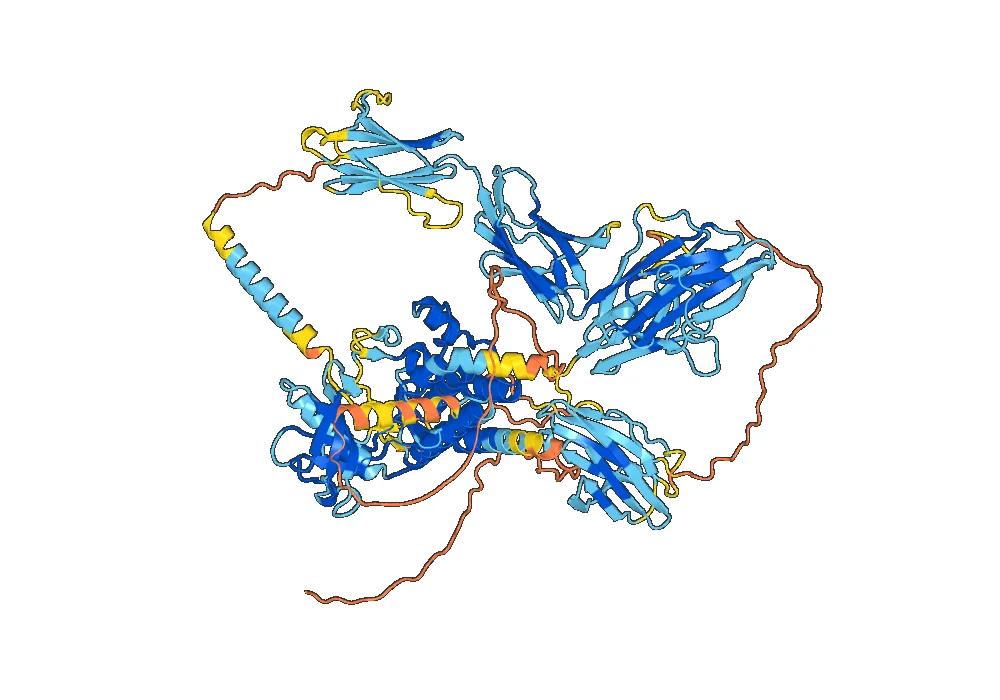
Voxalatamab Biosimilar is a chimeric monoclonal antibody, meaning it is a combination of both human and mouse components. It is composed of two parts – the constant region, which is derived from human antibodies, and the variable region, which is derived from mouse antibodies. This unique structure allows Voxalatamab Biosimilar to bind to both human and mouse cells, making it a highly effective therapeutic agent.
Activity of Voxalatamab Biosimilar
The main target of Voxalatamab Biosimilar is prostate-specific membrane antigen (PSMA), a protein that is overexpressed in prostate cancer cells. PSMA is involved in the growth and survival of cancer cells, making it an ideal therapeutic target. By binding to PSMA, Voxalatamab Biosimilar can inhibit its activity and prevent cancer cells from growing and spreading.
In addition to PSMA, Voxalatamab Biosimilar also targets CD3e, a protein found on the surface of T-cells. By binding to CD3e, Voxalatamab Biosimilar can activate T-cells, which are a crucial part of the immune system. This activation leads to the destruction of cancer cells, making Voxalatamab Biosimilar a potent anti- cancer agent.
Applications of Voxalatamab Biosimilar
Voxalatamab Biosimilar has shown promising results in pre-clinical studies and is currently being evaluated in clinical trials for the treatment of various types of cancer. Its main application is in the treatment of prostate cancer, where it has shown significant efficacy in both pre-clinical and clinical studies.
In addition to prostate
cancer, Voxalatamab Biosimilar is also being investigated for its potential in other types of cancer, such as breast cancer, lung cancer, and ovarian cancer. Its dual targeting of PSMA and CD3e makes it a versatile therapeutic agent that can potentially be used in a wide range of cancers.
Research Grade of Voxalatamab Biosimilar
Voxalatamab Biosimilar is currently in the research grade stage, which means it is still undergoing extensive testing and evaluation. This stage is crucial in determining the safety and efficacy of the antibody before it can be approved for clinical use. The research grade stage also allows for further optimization of the antibody, such as increasing its potency and reducing any potential side effects.
Conclusion
In conclusion, Voxalatamab Biosimilar is a chimeric monoclonal antibody that targets PSMA and CD3e, two proteins involved in cancer cell growth and survival. Its unique structure and dual targeting make it a potent anti- cancer agent with potential applications in various types of cancer. Currently in the research grade stage, Voxalatamab Biosimilar shows promising results and has the potential to become a valuable addition to the arsenal of cancer treatments.
There are no reviews yet.