Introduction
Elranatamab Biosimilar, also known as Anti-TNFRSF17,CD3E mAb, is a monoclonal antibody that has been developed as a biosimilar to the therapeutic antibody elotuzumab. It is a promising therapeutic agent for the treatment of multiple myeloma and other B-cell malignancies. In this article, we will discuss the structure, activity, and potential applications of Elranatamab Biosimilar in detail.
Structure of Elranatamab Biosimilar
Elranatamab Biosimilar is a chimeric monoclonal antibody that is composed of a human immunoglobulin G1 (IgG1) constant region and a mouse variable region. The variable region of the antibody is derived from the hybridoma cell line that produces elotuzumab. This structure allows Elranatamab Biosimilar to bind to the same target as elotuzumab, but with a different mechanism of action.
Activity of Elranatamab Biosimilar
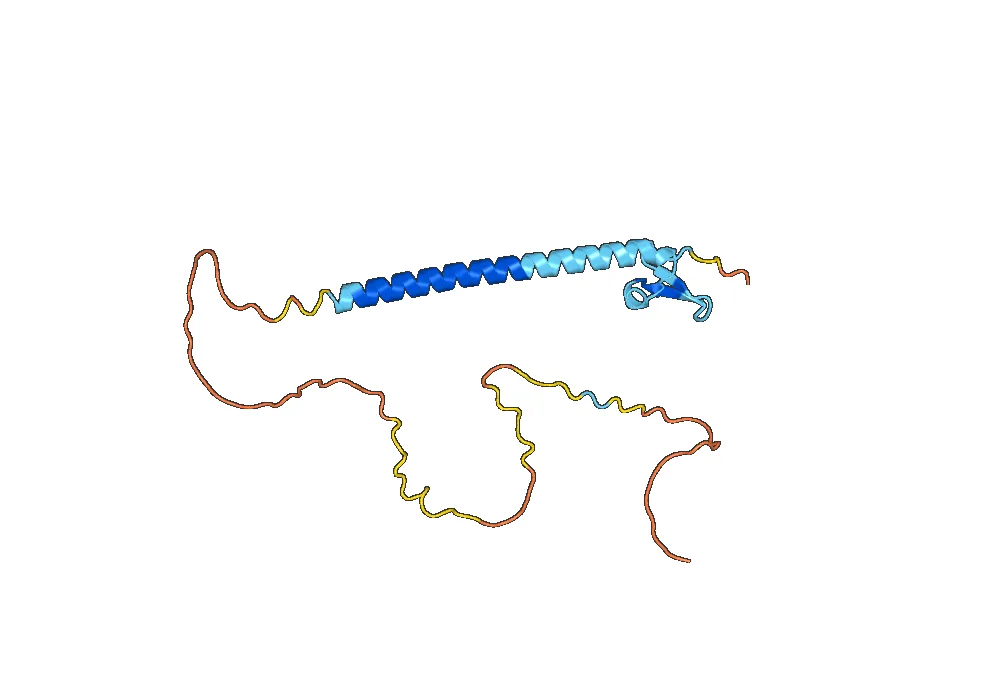
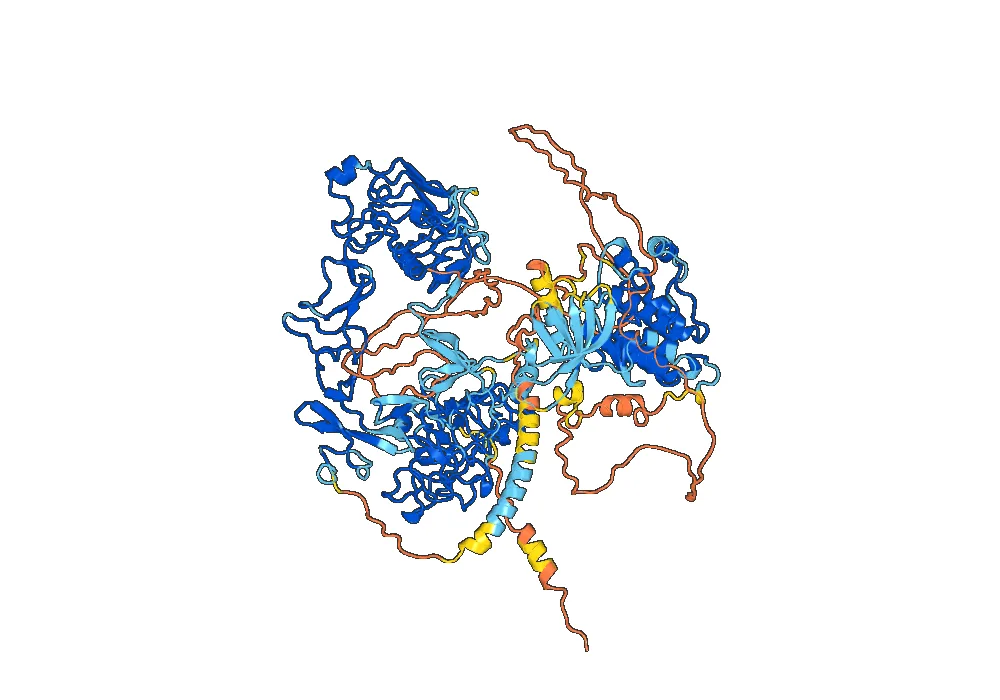
Elranatamab Biosimilar targets two proteins on the surface of B-cells: TNFRSF17 and CD3E. TNFRSF17, also known as B-cell maturation antigen (BCMA), is a cell surface receptor that is overexpressed on multiple myeloma cells. CD3E is a component of the T-cell receptor complex that is involved in T-cell activation. By targeting both TNFRSF17 and CD3E, Elranatamab Biosimilar has a dual mechanism of action.
The binding of Elranatamab Biosimilar to TNFRSF17 on multiple myeloma cells leads to the activation of signaling pathways that induce cell death. This is achieved through the recruitment of natural killer cells and macrophages to the tumor site, as well as the activation of the complement system. On the other hand, the binding of Elranatamab Biosimilar to CD3E on T-cells leads to their activation and proliferation, which further enhances the immune response against cancer cells.
Applications of Elranatamab Biosimilar
Elranatamab Biosimilar has shown promising results in preclinical studies and is currently being evaluated in clinical trials for the treatment of multiple myeloma and other B-cell malignancies. It is expected to have similar efficacy and safety as elotuzumab, but at a lower cost due to its biosimilar nature.
In addition to its potential use as a monotherapy, Elranatamab Biosimilar can also be combined with other therapies to improve treatment outcomes. For example, it can be used in combination with proteasome inhibitors or immunomodulatory drugs to enhance their anti-tumor effects. It can also be combined with other monoclonal antibodies, such as daratumumab, to target multiple pathways involved in the growth and survival of cancer cells.
Conclusion
In summary, Elranatamab Biosimilar is a promising therapeutic agent for the treatment of multiple myeloma and other B-cell malignancies. Its unique structure and dual mechanism of action make it a valuable addition to the current treatment options for these diseases. As clinical trials continue to evaluate its safety and efficacy, Elranatamab Biosimilar has the potential to become a widely used therapy for patients with these types of cancer.
There are no reviews yet.