Introduction
Emirodatamab Biosimilar is a novel monoclonal antibody (mAb) that targets FLT3 and CD3E, two important proteins involved in the development and progression of certain types of cancer. This research grade antibody has shown promising results in preclinical studies and is currently being evaluated in clinical trials as a potential therapeutic option for cancer patients.
Structure of Emirodatamab Biosimilar
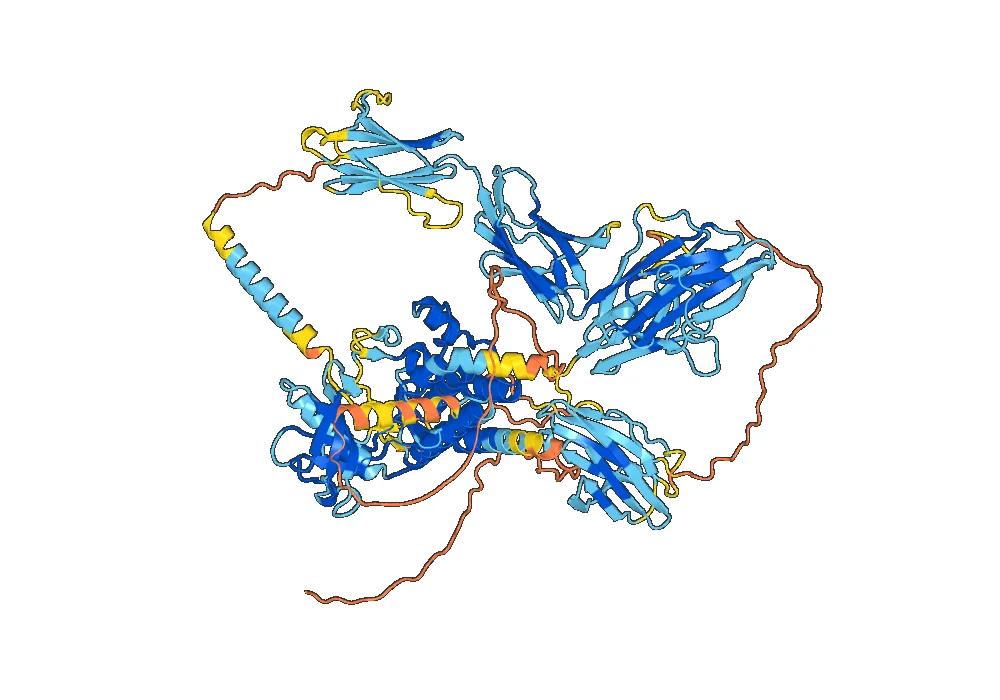
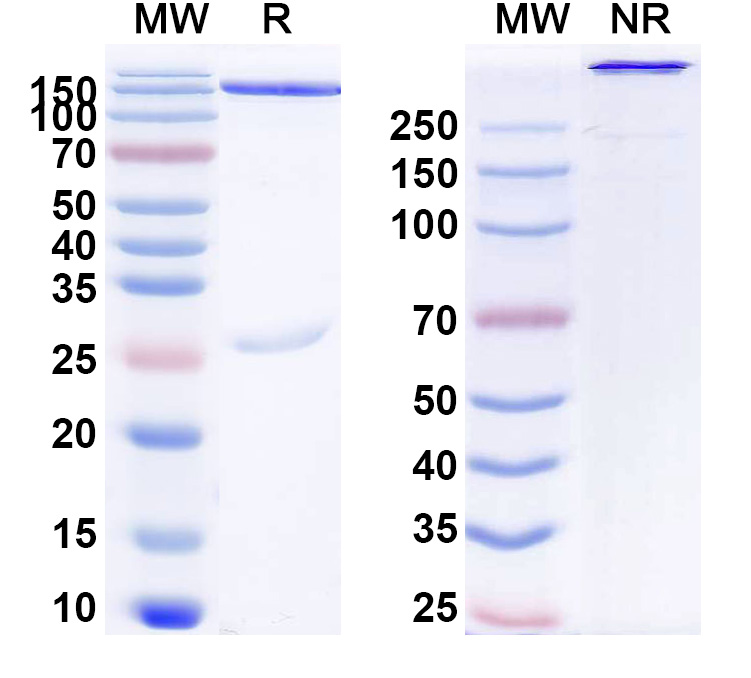
Emirodatamab Biosimilar is a recombinant humanized IgG1 monoclonal antibody. It is composed of two identical heavy chains and two identical light chains, each containing a variable and a constant region. The variable regions of the heavy and light chains are responsible for binding to FLT3 and CD3E, respectively. The constant regions of the antibody are responsible for effector functions such as antibody-dependent cellular cytotoxicity (ADCC) and complement-dependent cytotoxicity (CDC).
Activity of Emirodatamab Biosimilar
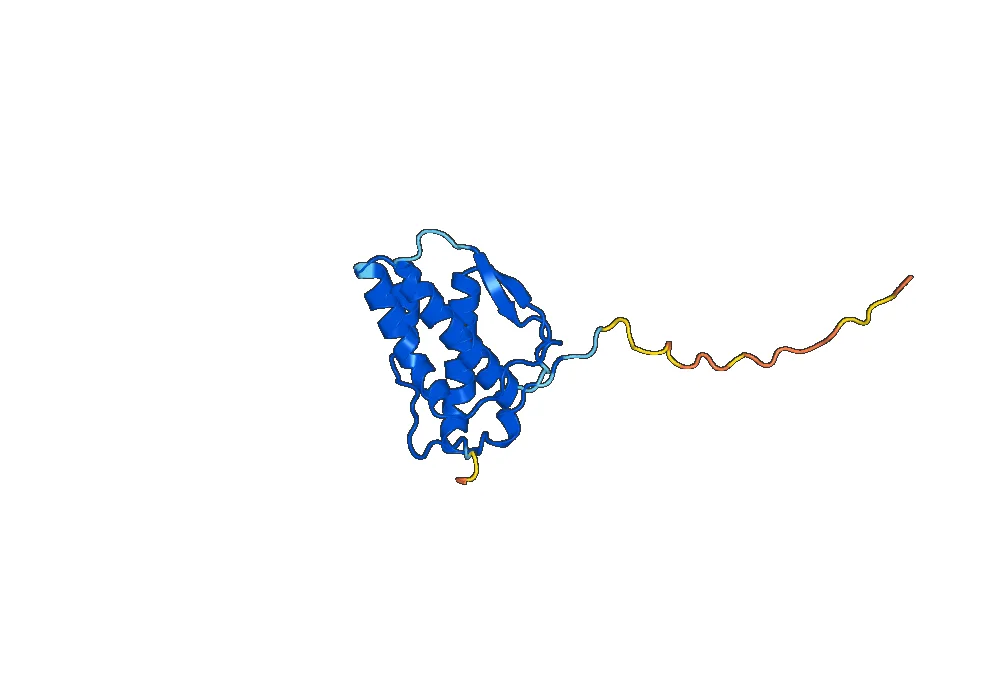
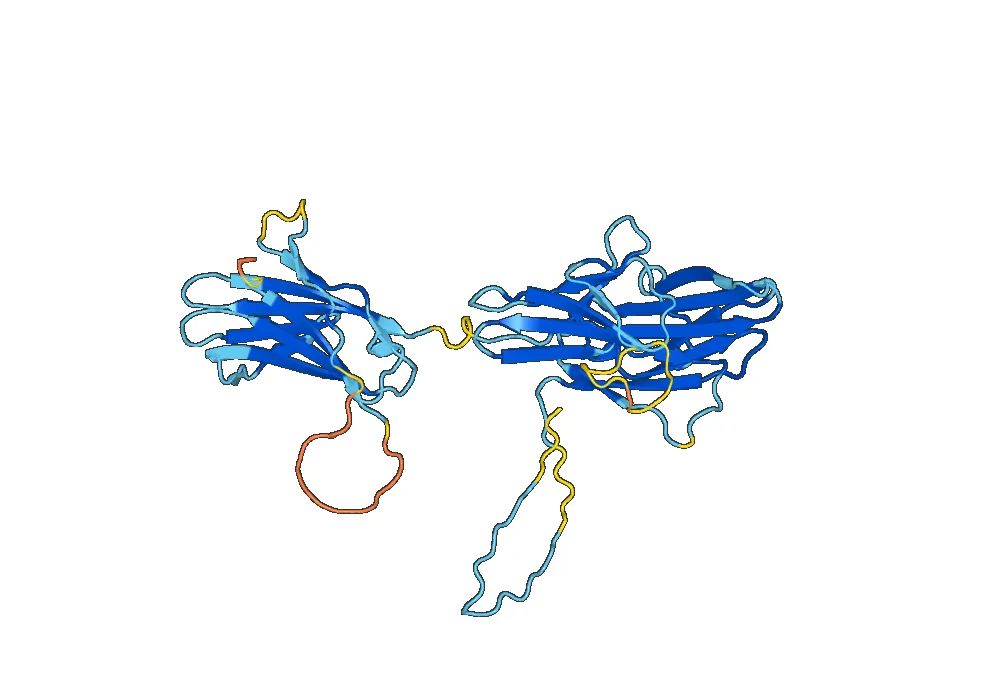
Emirodatamab Biosimilar binds to both FLT3 and CD3E with high affinity and specificity. FLT3 is a receptor tyrosine kinase that is overexpressed in many types of cancer, including acute myeloid leukemia (AML) and acute lymphoblastic leukemia (ALL). By binding to FLT3, Emirodatamab Biosimilar inhibits its activity and prevents the proliferation and survival of cancer cells. CD3E is a protein found on the surface of T cells, which are important immune cells that play a role in fighting cancer. By binding to CD3E, Emirodatamab Biosimilar activates T cells and enhances their ability to recognize and kill cancer cells.
Application of Emirodatamab Biosimilar
Emirodatamab Biosimilar has shown promising results in preclinical studies as a potential treatment for various types of cancer. In AML and ALL, Emirodatamab Biosimilar has been shown to inhibit the growth and survival of cancer cells and induce T cell-mediated killing of cancer cells. It has also been evaluated in other types of cancer, such as non-Hodgkin’s lymphoma and solid tumors, with promising results.
In addition to its potential as a therapeutic agent, Emirodatamab Biosimilar can also be used in research settings to study the role of FLT3 and CD3E in cancer development and progression. Its high specificity and affinity make it a valuable tool for studying these proteins and their interactions with other molecules.
Conclusion
Emirodatamab Biosimilar is a novel monoclonal antibody that targets FLT3 and CD3E, two important proteins involved in cancer development and progression. Its unique structure and activity make it a promising therapeutic option for various types of cancer. In addition, it can also be used as a research tool to study the role of FLT3 and CD3E in cancer. Further clinical trials will determine the full potential of Emirodatamab Biosimilar as a therapeutic agent for cancer patients.

There are no reviews yet.