The Structure of Talquetamab Biosimilar – Anti-CD3E, GPRC5D mAb
Talquetamab Biosimilar, also known as Anti-CD3E, GPRC5D mAb, is a monoclonal antibody that targets two specific proteins: CD3E and GPRC5D. Monoclonal antibodies are a type of protein that are designed to bind to specific targets in the body, making them valuable tools in both research and therapeutic settings.
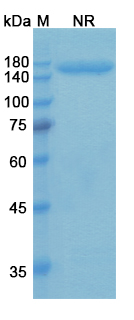
The structure of Talquetamab Biosimilar is composed of two heavy chains and two light chains, which are linked together by disulfide bonds. The heavy chains are made up of approximately 450 amino acids, while the light chains are made up of about 220 amino acids. These chains come together to form the characteristic “Y” shape of an antibody. At the end of each arm of the “Y” is a region called the antigen-binding site, which is responsible for binding to the target proteins CD3E and GPRC5D.
The Activity of Talquetamab Biosimilar – Anti-CD3E, GPRC5D mAb
The primary activity of Talquetamab Biosimilar is its ability to bind to CD3E and GPRC5D. CD3E is a protein found on the surface of T cells, which are a type of white blood cell involved in the body’s immune response. GPRC5D is a protein that is overexpressed in certain types of cancer cells, making it a promising therapeutic target.
By binding to these proteins, Talquetamab Biosimilar can trigger a series of events that lead to the activation and proliferation of T cells, which then target and attack cancer cells. This mechanism of action makes Talquetamab Biosimilar a potential treatment for various types of cancer, including multiple myeloma, a type of blood cancer.
In addition to its direct activity against
cancer cells, Talquetamab Biosimilar also has the potential to enhance the body’s immune response. By activating T cells, it can help the body’s natural defenses to better recognize and fight against cancer cells.
The Application of Talquetamab Biosimilar – Anti-CD3E, GPRC5D mAb
As mentioned earlier, Talquetamab Biosimilar has potential applications in both research and therapeutic settings. In research, it can be used as a tool to study the function and activity of CD3E and GPRC5D, as well as the role of T cells in cancer.
In the therapeutic setting, Talquetamab Biosimilar is being developed as a potential treatment for multiple myeloma. Multiple myeloma is a type of blood cancer that affects the plasma cells in the bone marrow. It is currently an incurable disease, and existing treatments often become less effective over time. Talquetamab Biosimilar offers a promising new approach to treating this disease by targeting both CD3E and GPRC5D, which are overexpressed in multiple myeloma cells.
In addition to multiple myeloma, Talquetamab Biosimilar may also have potential applications in other types of cancer, such as lymphoma and leukemia, which also involve abnormal T cell activity.
In Conclusion
Talquetamab Biosimilar – Anti-CD3E, GPRC5D mAb is a monoclonal antibody that targets CD3E and GPRC5D, two proteins involved in the immune response and overexpressed in certain types of cancer cells. Its structure is composed of two heavy chains and two light chains, which come together to form the characteristic “Y” shape of an antibody. Its primary activity is its ability to activate T cells and target cancer cells, making it a potential treatment for multiple myeloma and other types of cancer. Its potential applications in both research and therapy make Talquetamab Biosimilar a valuable tool in the fight against cancer.


There are no reviews yet.