Introduction
Ensovibep Biosimilar is a research grade antibody that has shown great potential in targeting the spike protein S1. This protein is a crucial component of the SARS-CoV-2 virus responsible for the COVID-19 pandemic. In this article, we will explore the structure, activity, and potential applications of Ensovibep Biosimilar.
Structure of Ensovibep Biosimilar
Ensovibep Biosimilar is a monoclonal antibody, meaning it is produced from a single type of immune cell. It is a biosimilar, which means it is highly similar to a previously approved antibody called ensovibep. This similarity is achieved through a rigorous process of molecular characterization and comparison.
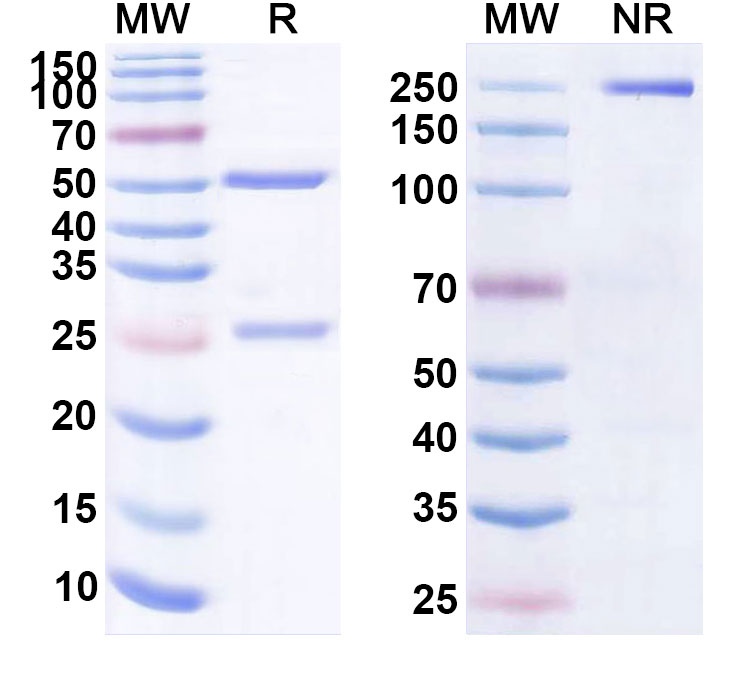
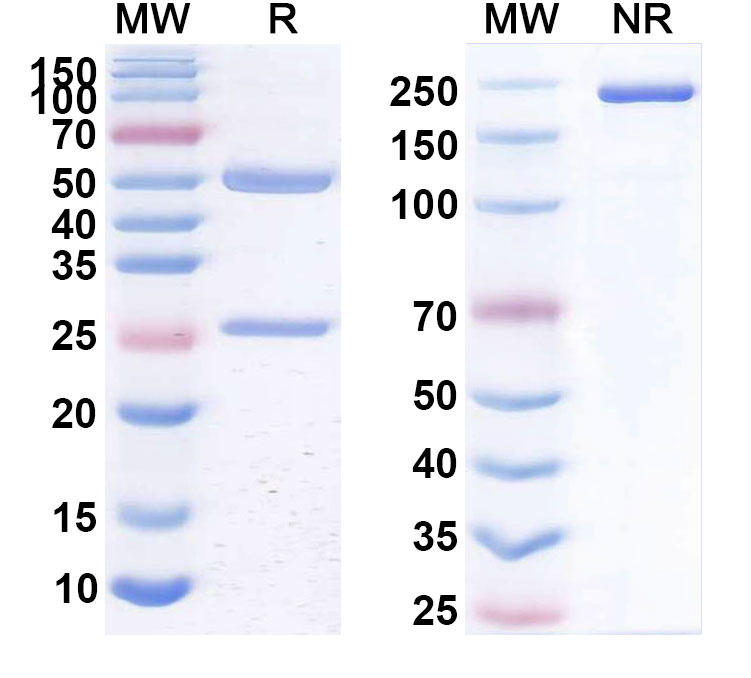
The antibody has a Y-shaped structure, with two identical heavy chains and two identical light chains. The heavy chains are responsible for binding to the target protein, while the light chains help stabilize the overall structure. The binding site of Ensovibep Biosimilar is located at the tip of the Y, where the heavy and light chains come together.
Activity of Ensovibep Biosimilar
Ensovibep Biosimilar specifically targets the spike protein S1, which is a key component of the SARS-CoV-2 virus. This protein is responsible for binding to the host cell receptor and facilitating viral entry. By targeting the spike protein, Ensovibep Biosimilar prevents the virus from infecting cells and replicating.
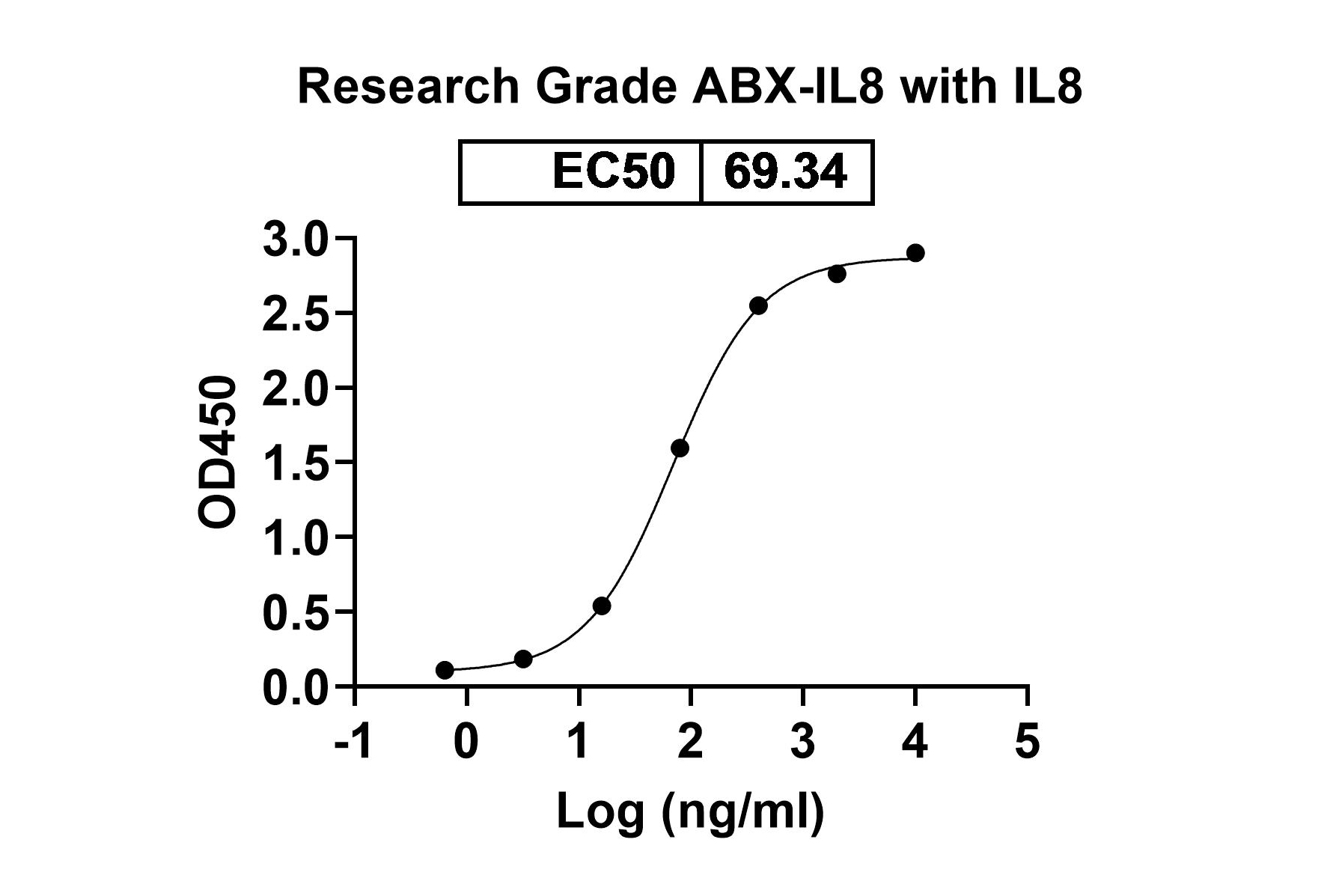
Studies have shown that Ensovibep Biosimilar has a high binding affinity for the spike protein, meaning it can tightly bind to the protein and inhibit its activity. This makes it a promising therapeutic candidate for treating COVID-19.
Potential Applications of Ensovibep Biosimilar
Ensovibep Biosimilar has the potential to be used in various applications related to COVID-19. As a research grade antibody, it can be used in laboratory settings to study the structure and function of the spike protein. This can provide valuable insights into the virus and help in the development of other therapeutics.
Ensovibep Biosimilar can also be developed into a therapeutic antibody for treating COVID-19. By targeting the spike protein, it can potentially prevent viral entry and reduce the severity of the disease. Clinical trials are currently underway to evaluate the safety and efficacy of Ensovibep Biosimilar as a treatment for COVID-19.
Furthermore, Ensovibep Biosimilar can also be used for diagnostic purposes. By detecting the presence of the spike protein in patient samples, it can aid in the early detection and monitoring of COVID-19.
Conclusion
In summary, Ensovibep Biosimilar is a highly promising antibody that specifically targets the spike protein S1. With its unique structure and high binding affinity, it has the potential to be used in various applications related to COVID-19. Further research and clinical trials will determine the full extent of its therapeutic and diagnostic capabilities.


There are no reviews yet.