Suciraslimab Biosimilar: A Promising Anti-CD22 mAb for Targeted Therapy Introduction
Suciraslimab Biosimilar is a novel monoclonal antibody (mAb) that specifically targets CD22, a cell surface protein expressed on B cells. This biosimilar is being developed as a research-grade therapeutic agent for the treatment of B cell malignancies and autoimmune disorders. In this article, we will discuss the structure, activity, and potential applications of Suciraslimab Biosimilar.
Structure of Suciraslimab Biosimilar
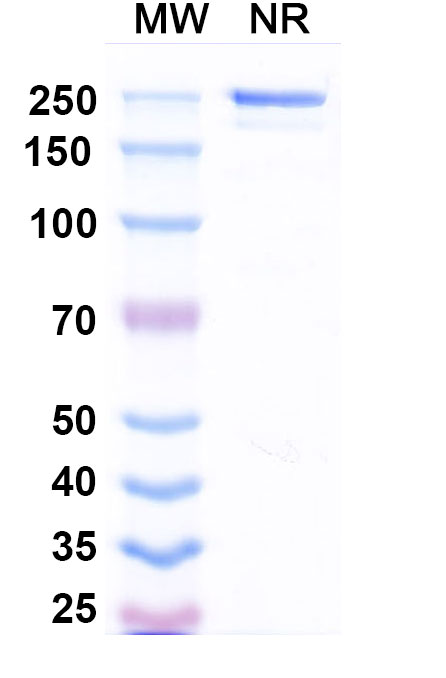
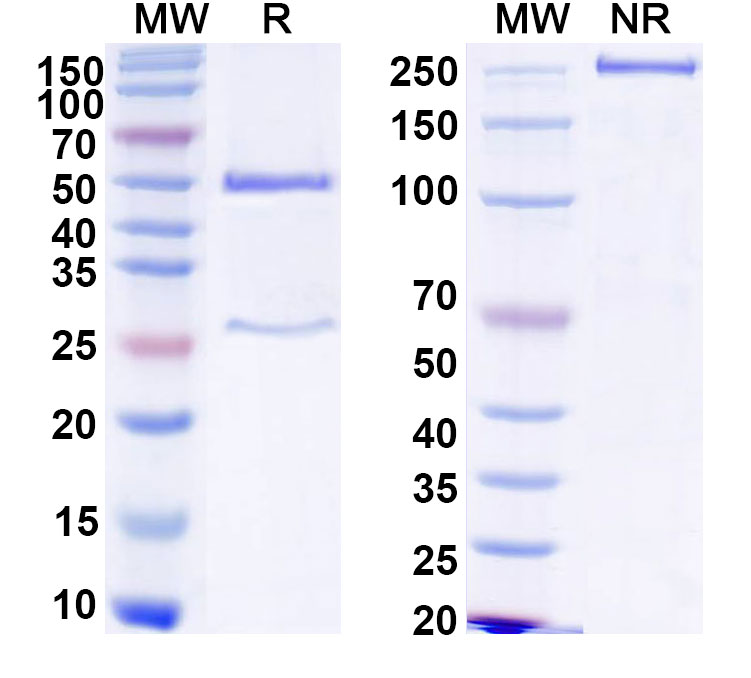
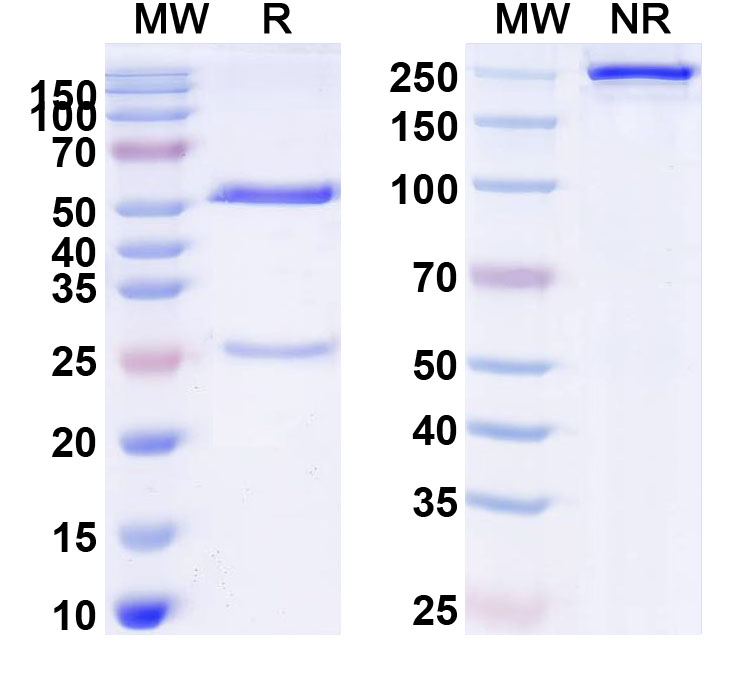
Suciraslimab Biosimilar is a recombinant humanized IgG1 monoclonal antibody with a molecular weight of approximately 150 kDa. It is composed of two heavy chains and two light chains, each containing a variable and constant region. The variable region of Suciraslimab Biosimilar is derived from a murine anti-CD22 antibody, while the constant region is of human origin. This structure allows for specific binding to CD22 while minimizing potential immunogenicity.
Mechanism of Action
Suciraslimab Biosimilar exerts its therapeutic effect by binding to CD22, a transmembrane protein that is involved in B cell activation and survival. Upon binding, Suciraslimab Biosimilar triggers internalization of CD22, leading to cell death via antibody-dependent cellular cytotoxicity (ADCC) and complement-dependent cytotoxicity (CDC). This mechanism of action makes Suciraslimab Biosimilar a promising therapeutic agent for B cell malignancies, as well as autoimmune disorders where B cells play a pathogenic role.
Applications of Suciraslimab Biosimilar
Suciraslimab Biosimilar is currently being evaluated in clinical trials for the treatment of B cell malignancies, including non-Hodgkin’s lymphoma and chronic lymphocytic leukemia. In addition, preclinical studies have shown promising results in the treatment of autoimmune disorders such as rheumatoid arthritis and systemic lupus erythematosus. These conditions are characterized by abnormal B cell activity, making CD22 an attractive therapeutic target.
Advantages of Suciraslimab Biosimilar
Compared to other anti-CD22 mAbs, Suciraslimab Biosimilar has several advantages. Firstly, its humanized structure reduces the risk of immunogenicity, making it a safer option for long-term use. Secondly, Suciraslimab Biosimilar has a longer half-life compared to other anti-CD22 mAbs, allowing for less frequent dosing. This could potentially improve patient compliance and reduce treatment costs. Lastly, Suciraslimab Biosimilar has demonstrated potent anti-tumor activity in preclinical studies, making it a promising candidate for targeted therapy.
Conclusion
In summary, Suciraslimab Biosimilar is a promising anti-CD22 mAb with a unique structure and mechanism of action. Its potential applications in the treatment of B cell malignancies and autoimmune disorders make it an exciting candidate for targeted therapy. With ongoing clinical trials and further research, Suciraslimab Biosimilar has the potential to improve the treatment outcomes for patients with these conditions.

There are no reviews yet.