Introduction
Recombinant Human MYL3 Protein, also known as Myosin Light Chain 3, is a protein that plays a crucial role in muscle contraction. It is a recombinant protein, meaning it is produced through genetic engineering techniques, and is widely used in various research and clinical applications. In this article, we will explore the structure, activity, and applications of Recombinant Human MYL3 Protein.
Structure of Recombinant Human MYL3 Protein
Recombinant Human MYL3 Protein is a 20 kDa protein consisting of 166 amino acids. It is composed of two subunits, the regulatory light chain and the essential light chain, which are connected by a disulfide bond. The regulatory light chain is responsible for regulating the activity of the myosin motor, while the essential light chain is involved in the assembly and stability of the myosin filament.
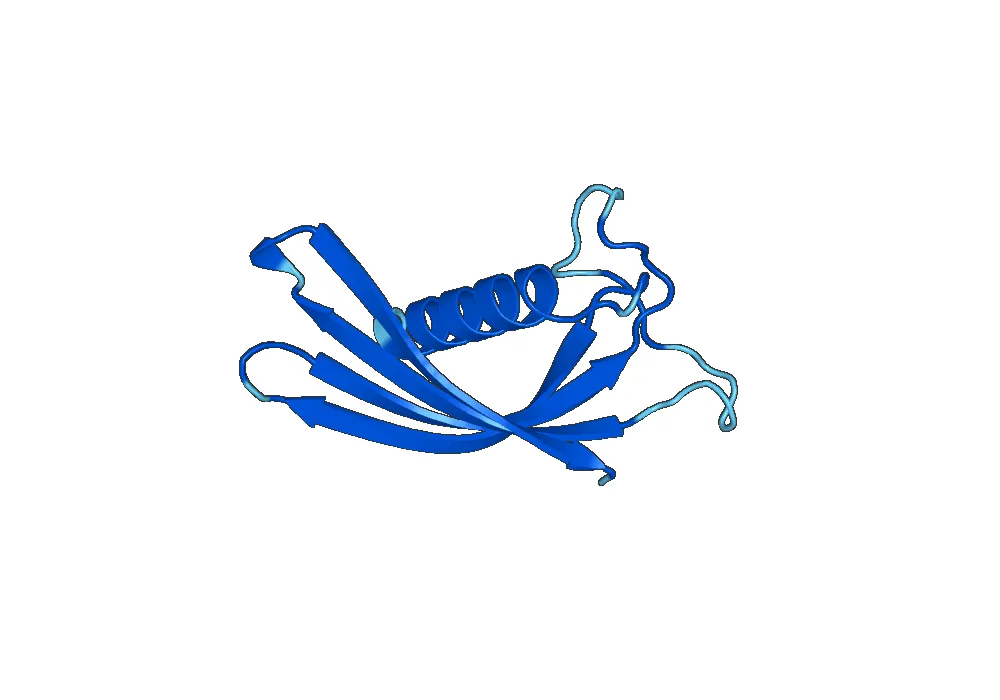
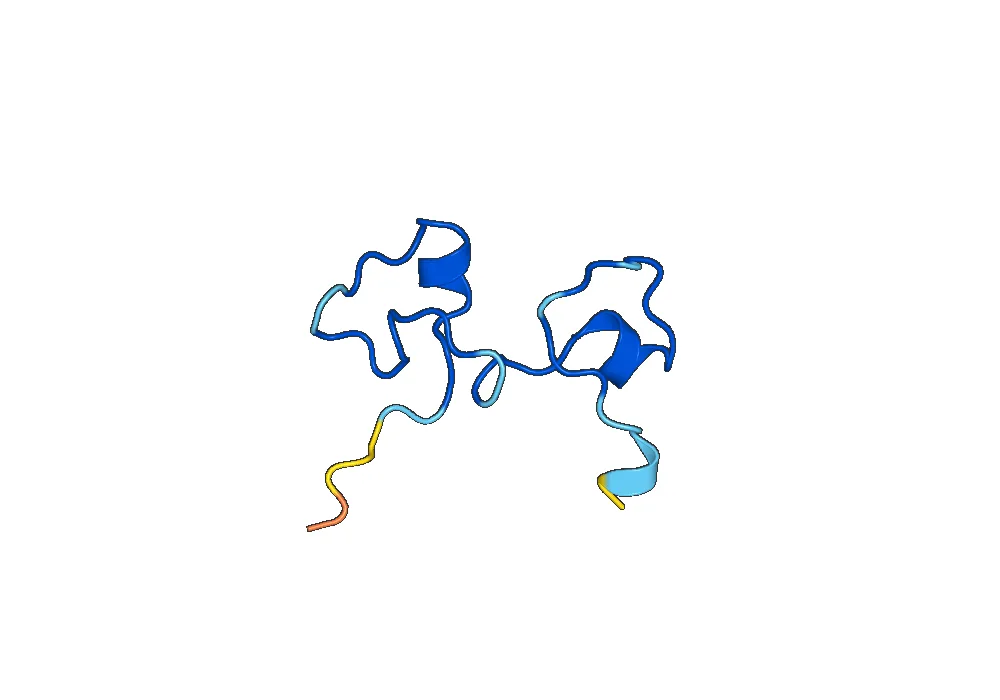
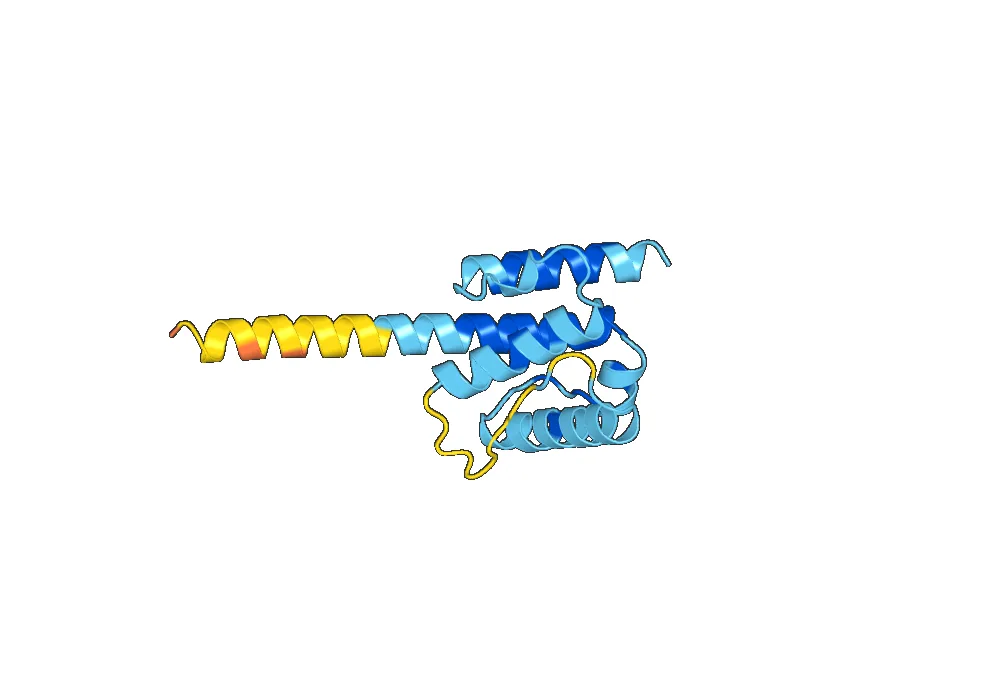
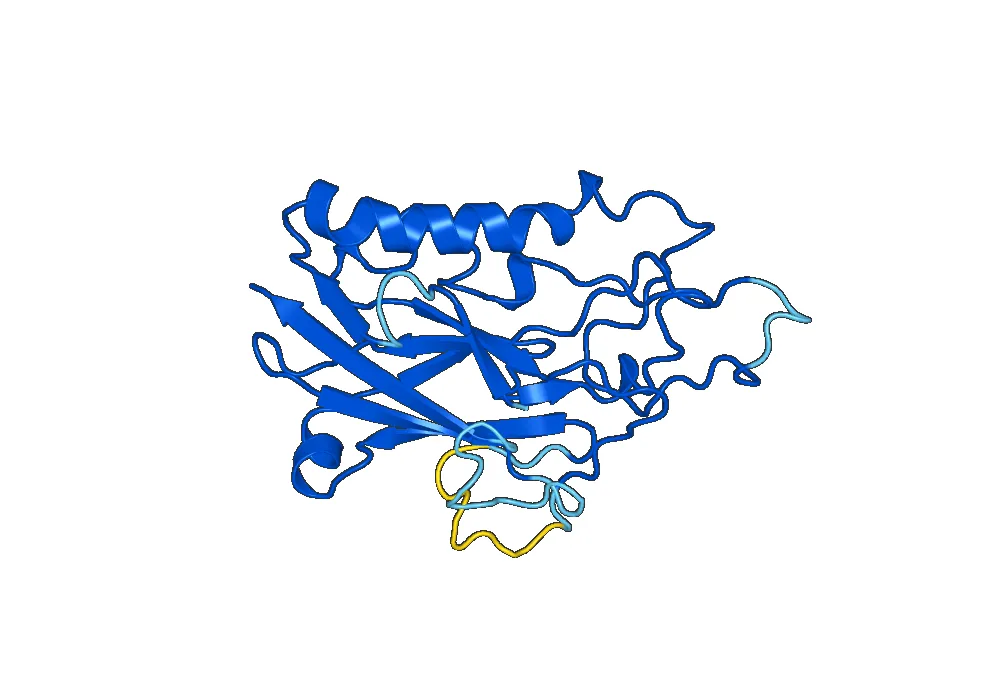
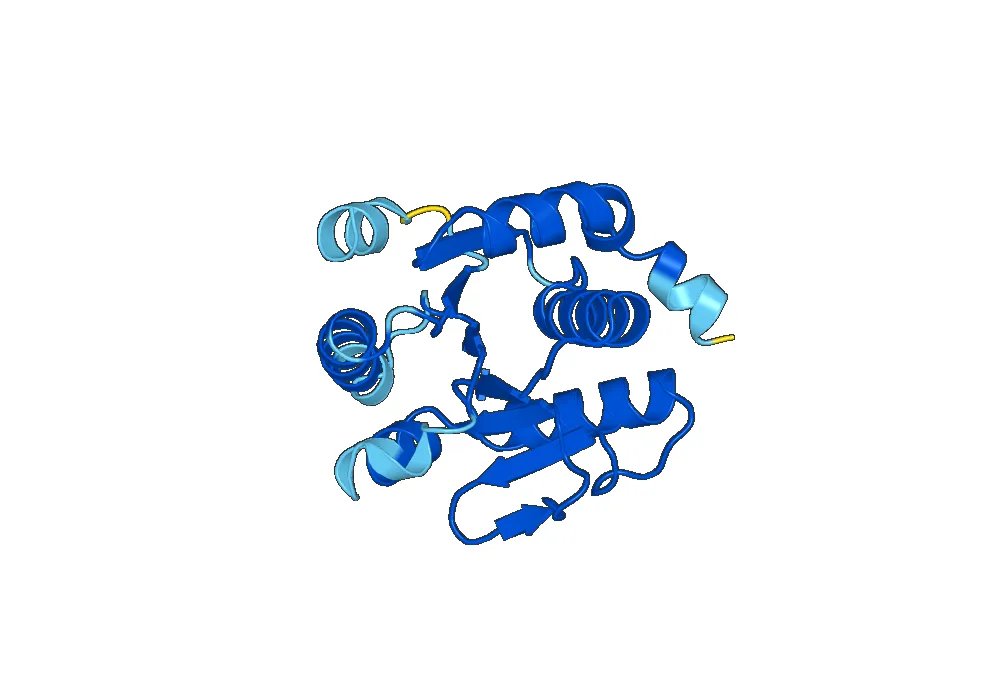
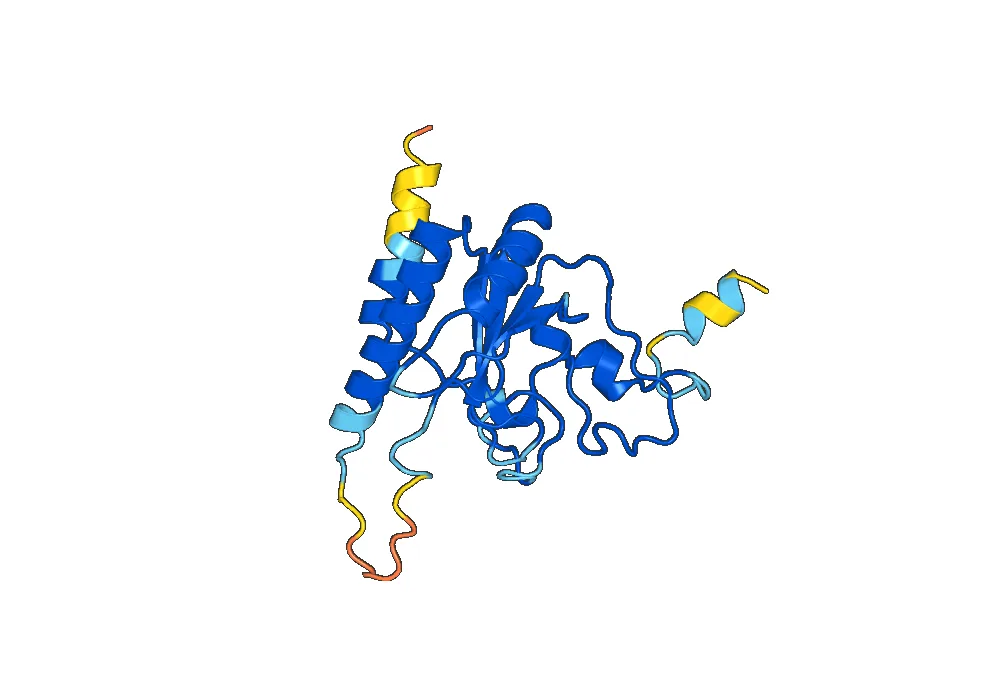
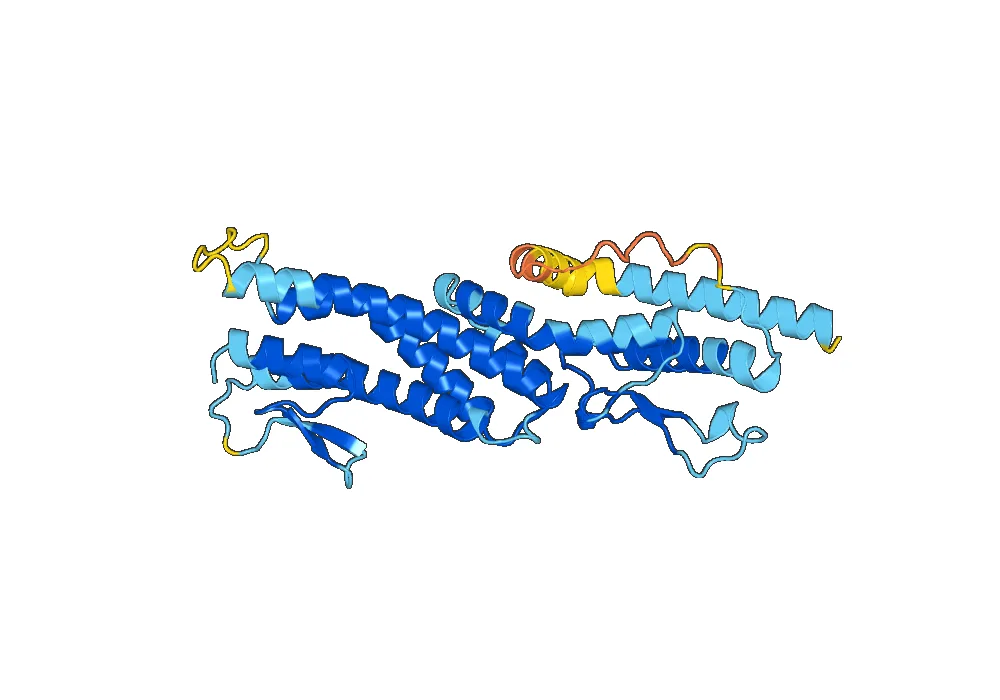
The crystal structure of Recombinant Human MYL3 Protein has been extensively studied, revealing its three-dimensional structure and providing insights into its function. It has a globular shape with a central hydrophobic core and several hydrophilic regions on its surface. This structure allows it to interact with other proteins and play a crucial role in muscle contraction.
Activity of Recombinant Human MYL3 Protein
Recombinant Human MYL3 Protein is an essential component of the myosin motor, which is responsible for muscle contraction. It binds to the heavy chain of myosin and regulates its activity by promoting or inhibiting the interaction between myosin and actin, the two proteins involved in muscle contraction. This regulatory role is essential for the proper functioning of muscle cells.
In addition to its role in muscle contraction, Recombinant Human MYL3 Protein has also been found to play a role in other cellular processes. It has been shown to interact with other proteins involved in cell signaling, cell division, and cell adhesion. This suggests that it may have a broader range of functions beyond its role in muscle contraction.
Applications of Recombinant Human MYL3 Protein
Recombinant Human MYL3 Protein has a wide range of applications in both research and clinical settings. In research, it is commonly used as an antigen in studies involving muscle contraction and cell signaling. Its well-defined structure and function make it an ideal protein for studying the mechanisms of muscle contraction and other cellular processes.
In clinical settings, Recombinant Human MYL3 Protein is used as a diagnostic tool for various diseases. Mutations in the MYL3 gene have been associated with several cardiac and skeletal muscle disorders, making Recombinant Human MYL3 Protein a valuable biomarker for these conditions. It can also be used as a therapeutic target for developing treatments for these diseases.
Furthermore, Recombinant Human MYL3 Protein has also been used in the development of new drugs. Its ability to interact with other proteins involved in cell signaling and cell adhesion makes it a potential target for drug discovery. By studying its structure and function, scientists can identify potential drug candidates that can modulate its activity and potentially treat diseases associated with MYL3 mutations.
Conclusion
In conclusion, Recombinant Human MYL3 Protein is a crucial protein involved in muscle contraction and other cellular processes. Its well-defined structure and activity make it a valuable tool for research and diagnostic purposes. It also has potential applications in drug discovery and development. As more studies are conducted on this protein, we can expect to uncover more insights into its function and potential therapeutic applications.

There are no reviews yet.