Recombinant Human ATP1B1 Protein: Structure, Activity, and Applications
Introduction
Recombinant proteins are proteins that are produced through genetic engineering techniques, allowing for the production of large quantities of specific proteins. One such protein is Recombinant Human ATP1B1 Protein, which plays a crucial role in cellular function and has a wide range of applications in various fields of research and medicine.
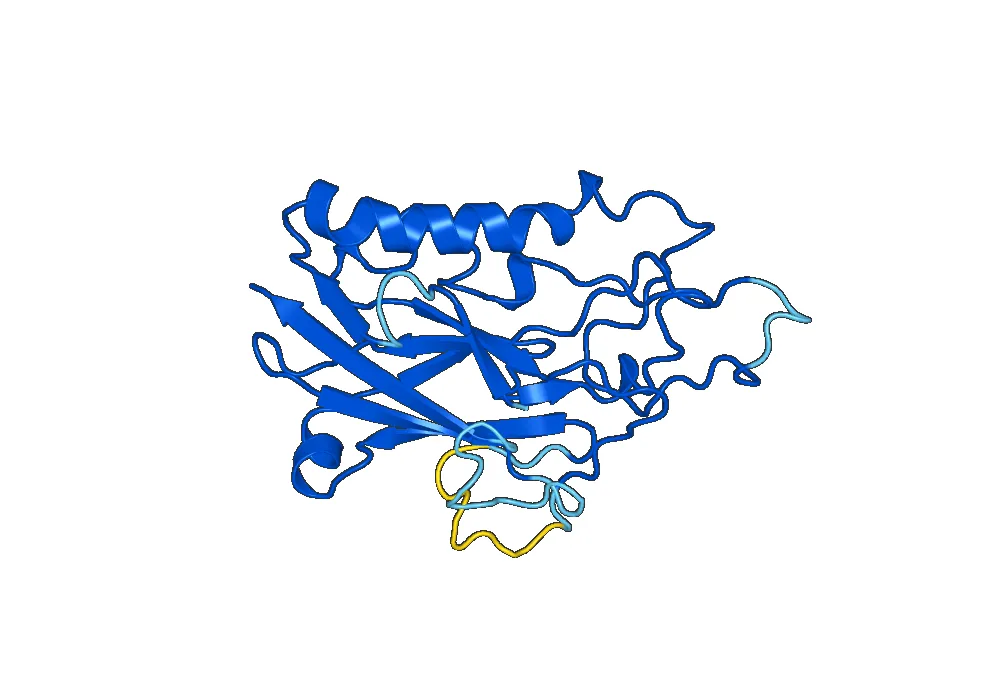
Structure of Recombinant Human ATP1B1 Protein
The ATP1B1 gene encodes for the beta subunit of the sodium-potassium adenosine triphosphatase (Na+/K+-ATPase) enzyme. This enzyme is responsible for maintaining the electrochemical gradient across the cell membrane by pumping sodium ions out of the cell and potassium ions into the cell. The beta subunit, also known as the ATP1B1 protein, is essential for the proper functioning of the enzyme.
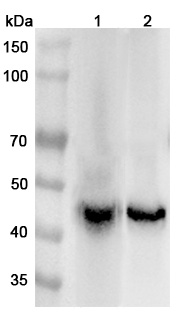
The recombinant form of ATP1B1 protein is produced by cloning the gene into a suitable expression vector and introducing it into a host cell. The protein is then expressed and purified using various techniques, resulting in a highly pure and functional form of the protein.
Activity of Recombinant Human ATP1B1 Protein
The primary function of ATP1B1 protein is to regulate the activity of the Na+/K+-ATPase enzyme. It does so by binding to the alpha subunit of the enzyme, stabilizing its conformation and enhancing its activity. This, in turn, allows for the efficient transport of sodium and potassium ions across the cell membrane, maintaining the electrochemical gradient necessary for cellular function.
In addition to its role in the Na+/K+-ATPase enzyme, ATP1B1 protein has also been found to interact with other proteins, such as the N-methyl-D-aspartate (NMDA) receptor, and play a role in regulating neuronal signaling and synaptic plasticity.
Applications of Recombinant Human ATP1B1 Protein
Due to its crucial role in cellular function, recombinant ATP1B1 protein has a wide range of applications in various fields of research and medicine.
Research Applications
In the field of neuroscience, recombinant ATP1B1 protein has been used to study the role of the Na+/K+-ATPase enzyme in neuronal function and its potential involvement in neurological disorders such as Alzheimer’s disease and epilepsy.
In cancer research, ATP1B1 protein has been found to be overexpressed in certain types of cancer, making it a potential target for cancer therapy. Recombinant ATP1B1 protein has been used to study the mechanism of action of this protein in cancer cells and to develop novel therapeutic strategies.
In addition, recombinant ATP1B1 protein has also been used in studies related to cardiovascular diseases, kidney disorders, and other physiological processes such as muscle contraction and insulin secretion.
Medical Applications
Recombinant ATP1B1 protein has also shown potential for medical applications, particularly in the treatment of neurological and cardiovascular disorders. Clinical trials are currently underway to investigate the use of ATP1B1 protein as a therapeutic agent for diseases such as Parkinson’s disease and heart failure.
In addition, recombinant ATP1B1 protein has also been used in diagnostic tests to detect the presence of autoantibodies against this protein in certain autoimmune disorders, such as autoimmune thyroid disease and type 1 diabetes.
Conclusion
In summary, recombinant human ATP1B1 protein is a crucial protein in cellular function, with a wide range of applications in research and medicine. Its structure and activity have been extensively studied, and its potential for therapeutic and diagnostic purposes is continuously being explored. As technology advances, the production of recombinant ATP1
There are no reviews yet.