Title: Introduction to Recombinant Human CPSF4 Protein
Recombinant Human CPSF4 Protein, also known as Cleavage and Polyadenylation Specificity Factor 4, is a highly conserved protein that plays a crucial role in the process of mRNA polyadenylation. This process is essential for the proper functioning of eukaryotic cells and is involved in various cellular processes such as gene expression, RNA processing, and mRNA stability. In this article, we will explore the structure, activity, and applications of Recombinant Human CPSF4 Protein.
Title: Structure of Recombinant Human CPSF4 Protein
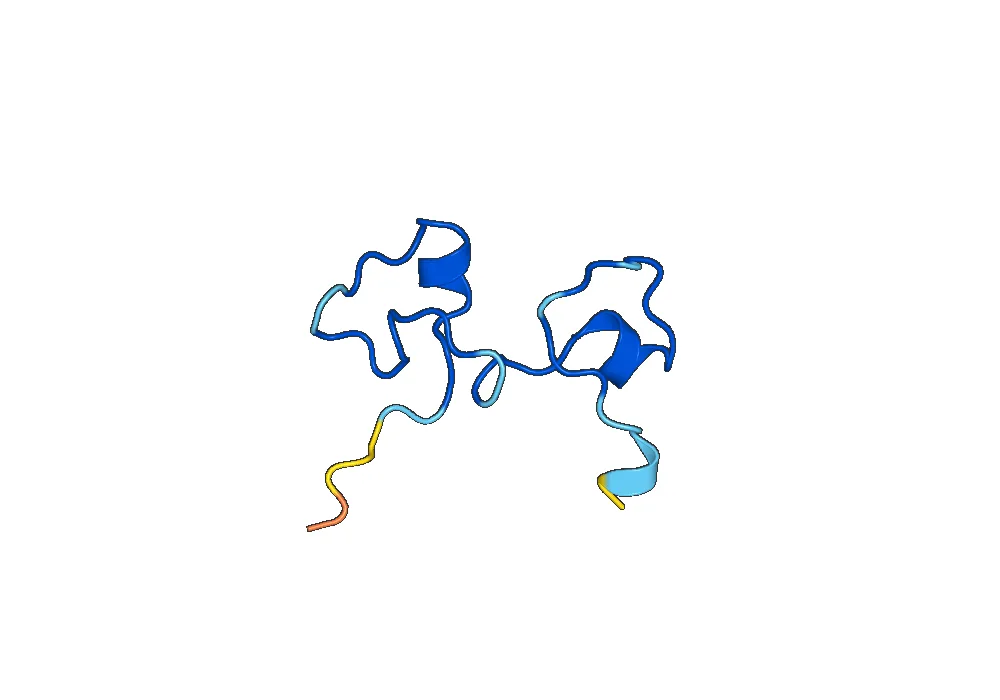
Recombinant Human CPSF4 Protein is a 70 kDa protein consisting of 634 amino acids. It is composed of four domains: an N-terminal domain, a central RNA recognition motif (RRM), a linker region, and a C-terminal domain. The N-terminal domain is responsible for protein-protein interactions, while the RRM domain is involved in RNA binding. The linker region connects the two domains and is crucial for the overall stability of the protein. The C-terminal domain contains the catalytic site of the protein, which is responsible for its enzymatic activity.
Title: Activity of Recombinant Human CPSF4 Protein
Recombinant Human CPSF4 Protein is a key component of the cleavage and polyadenylation complex, which is responsible for the cleavage and polyadenylation of pre-mRNA. This process involves the recognition and binding of CPSF4 to the polyadenylation signal on the pre-mRNA. The RRM domain of CPSF4 interacts with the pre-mRNA, while the C-terminal domain catalyzes the cleavage of the pre-mRNA at the polyadenylation site. This results in the addition of a poly(A) tail to the mRNA, which is essential for its stability and proper functioning.
Title: Applications of Recombinant Human CPSF4 Protein
Recombinant Human CPSF4 Protein has various applications in both research and therapeutic settings. In research, it is commonly used as a tool to study the process of mRNA polyadenylation and its role in gene expression. It can also be used to investigate the effects of mutations or modifications in CPSF4 on its activity and function. Additionally, Recombinant Human CPSF4 Protein can be used to identify potential inhibitors or activators of the protein, which can aid in the development of new drugs targeting mRNA processing.
In the therapeutic field, Recombinant Human CPSF4 Protein has shown potential as a target for cancer therapy. Studies have found that CPSF4 is overexpressed in various types of cancer, and inhibiting its activity can lead to decreased cell proliferation and tumor growth. Furthermore, Recombinant Human CPSF4 Protein has been shown to play a role in viral infections, making it a potential target for antiviral drugs.
Title: Antigenicity of Recombinant Human CPSF4 Protein
Recombinant Human CPSF4 Protein is a highly antigenic protein, meaning it can elicit an immune response in the body. This property makes it a valuable tool in the development of vaccines against diseases caused by viruses that utilize the mRNA polyadenylation process, such as influenza and HIV. Additionally, the antigenicity of CPSF4 can be utilized in diagnostic tests for viral infections, as antibodies against the protein can be used to detect its presence in patient samples.
In conclusion, Recombinant Human CPSF4 Protein is a crucial component of the mRNA polyadenylation process, with various roles in gene expression, RNA processing, and disease. Its structure, activity, and applications make it a valuable tool in both research and therapeutic settings, and further studies on this protein can lead to a better understanding of its functions and potential as a target for drug development.


There are no reviews yet.