Introduction:
Immurait-Ll2Mab is a biosimilar antibody that targets the CD22 protein, which is involved in the regulation of B-cell activation and survival. This antibody has been extensively studied and has shown promising results in pre-clinical and clinical trials. In this article, we will provide a detailed scientific description of Immurait-Ll2Mab, including its structure, activity, and potential applications.
Structure of Immurait-Ll2Mab:
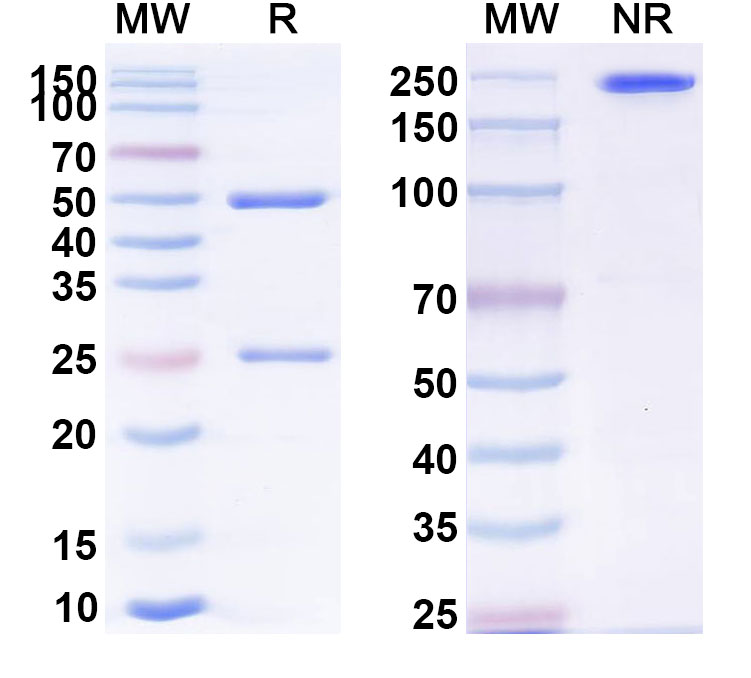
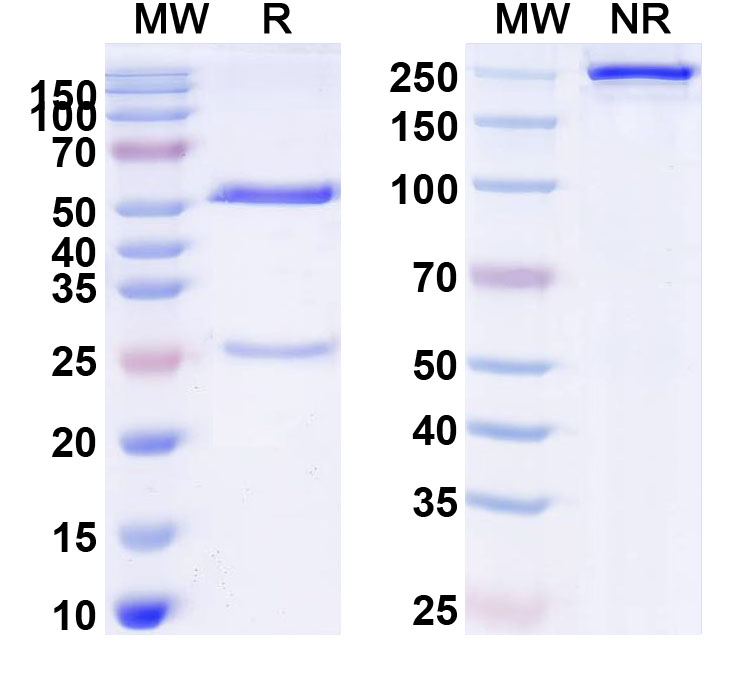
Immurait-Ll2Mab is a monoclonal antibody (mAb) that is produced using recombinant DNA technology. It is a biosimilar of the anti-CD22 mAb, which means it has a highly similar structure and function to the original antibody. Immurait-Ll2Mab is composed of two identical heavy chains and two identical light chains, which are connected by disulfide bonds. The heavy chains contain a constant region (Fc) and a variable region (Fab), while the light chains only have a variable region. The variable regions are responsible for binding to the CD22 protein, while the constant region determines the antibody’s effector functions.
Activity of Immurait-Ll2Mab:
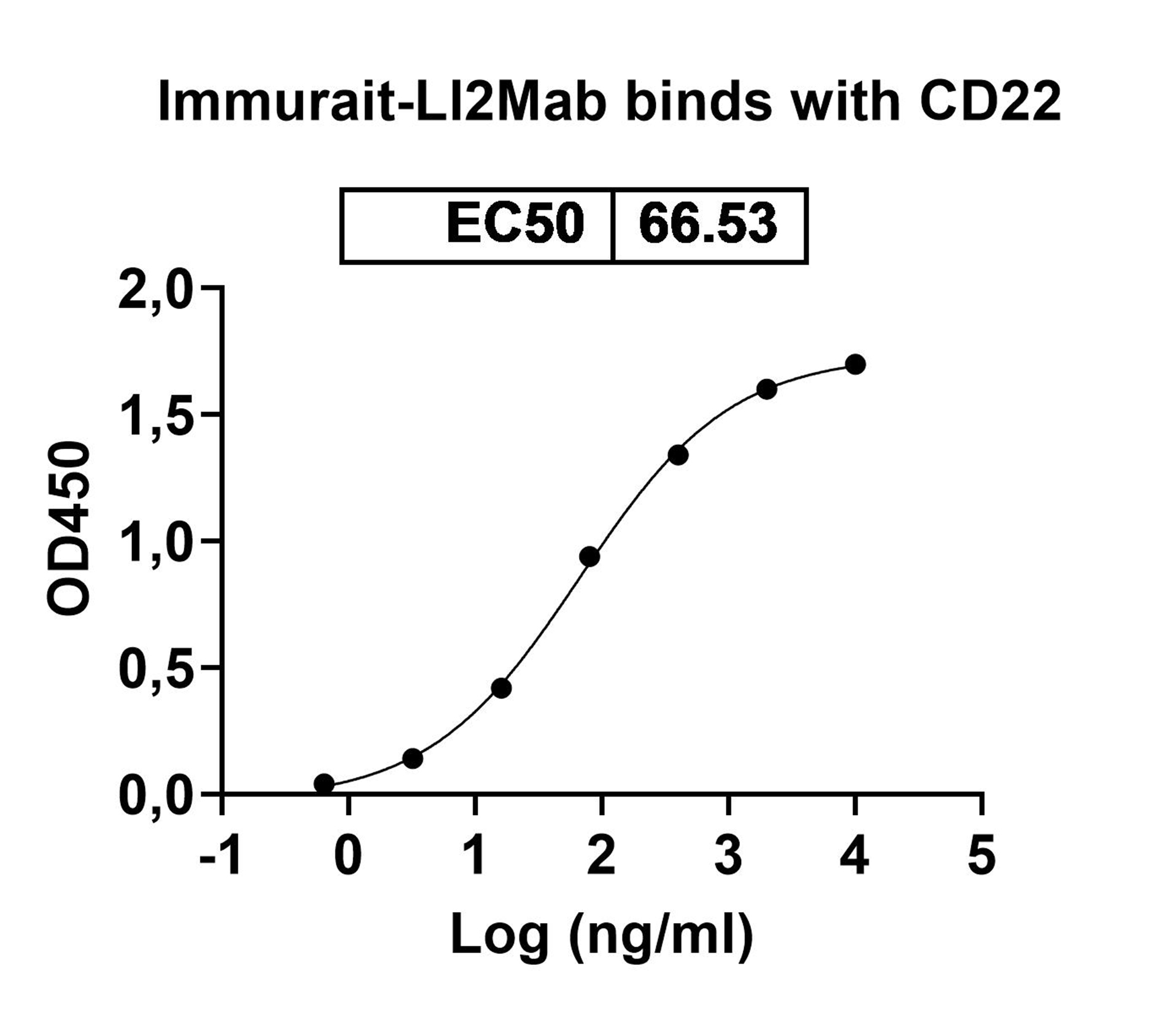
The main activity of Immurait-Ll2Mab is to bind to the CD22 protein, which is expressed on the surface of B-cells. This binding prevents the CD22 protein from interacting with its natural ligands, leading to a reduction in B-cell activation and survival. This mechanism of action makes Immurait-Ll2Mab an effective therapeutic agent for diseases that involve abnormal B-cell proliferation, such as B-cell lymphomas and leukemias.
In addition to its direct effects on B-cells, Immurait-Ll2Mab also has indirect effects through its Fc region. This region can interact with immune cells, such as natural killer cells and macrophages, leading to the destruction of CD22-expressing B-cells. This process is known as antibody-dependent cellular cytotoxicity (ADCC) and can enhance the efficacy of Immurait-Ll2Mab in treating B-cell-related diseases.
Applications of Immurait-Ll2Mab:
Immurait-Ll2Mab has been extensively studied as a potential therapeutic agent for various B-cell-related diseases. In pre-clinical studies, it has shown promising results in treating B-cell lymphomas and leukemias, including those that are resistant to other treatments. In clinical trials, Immurait-Ll2Mab has been evaluated in patients with relapsed or refractory B-cell lymphomas and leukemias, and has shown favorable safety and efficacy profiles.
Apart from its potential as a therapeutic agent, Immurait-Ll2Mab also has research applications. It can be used as a tool to study the role of CD22 in B-cell biology and to investigate the mechanisms of action of other anti-CD22 therapies. Furthermore, Immurait-Ll2Mab can be used as a biosimilar control in the development of new anti-CD22 mAbs, allowing for more accurate comparison and evaluation of their efficacy and safety profiles.
Conclusion:
In summary, Immurait-Ll2Mab is a biosimilar anti-CD22 mAb with a highly similar structure and function to the original antibody. It binds to the CD22 protein on B-cells, leading to a reduction in B-cell activation and survival. Immurait-Ll2Mab has shown promising results in pre-clinical and clinical studies for the treatment of B-cell lymphomas and leukemias. Additionally, it has potential applications in research as a tool and biosimilar control. Further studies and clinical trials are needed to fully understand the potential of Immurait-Ll2Mab as a therapeutic agent for B-cell-related diseases.


There are no reviews yet.