Introduction
Frunevetmab Biosimilar, also known as Anti-NGF, NGFB mAb – Research Grade, is a monoclonal antibody (mAb) that has been developed as a biosimilar to the therapeutic antibody, Frunevetmab. It is designed to target and inhibit the activity of nerve growth factor (NGF), a protein that plays a critical role in the development and maintenance of the nervous system. In this article, we will explore the structure, activity, and potential applications of Frunevetmab Biosimilar.
Structure of Frunevetmab Biosimilar
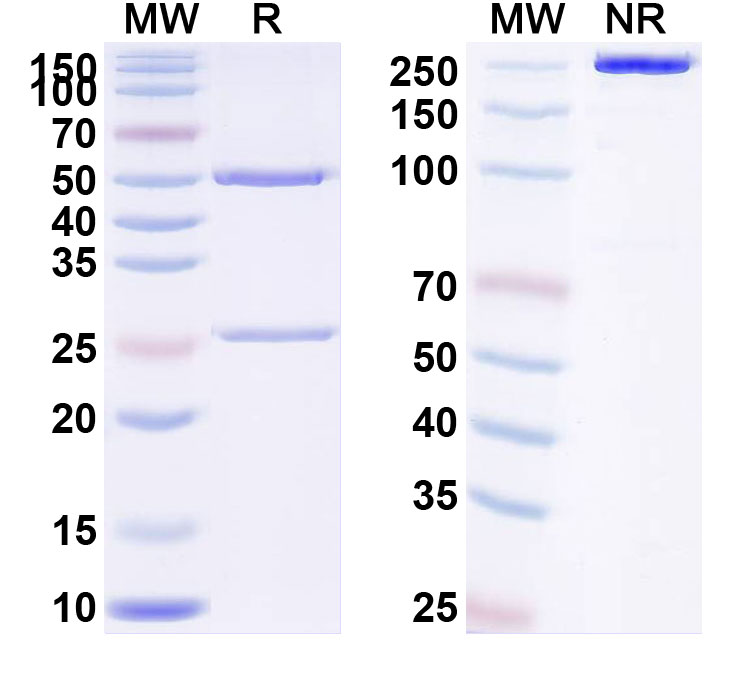
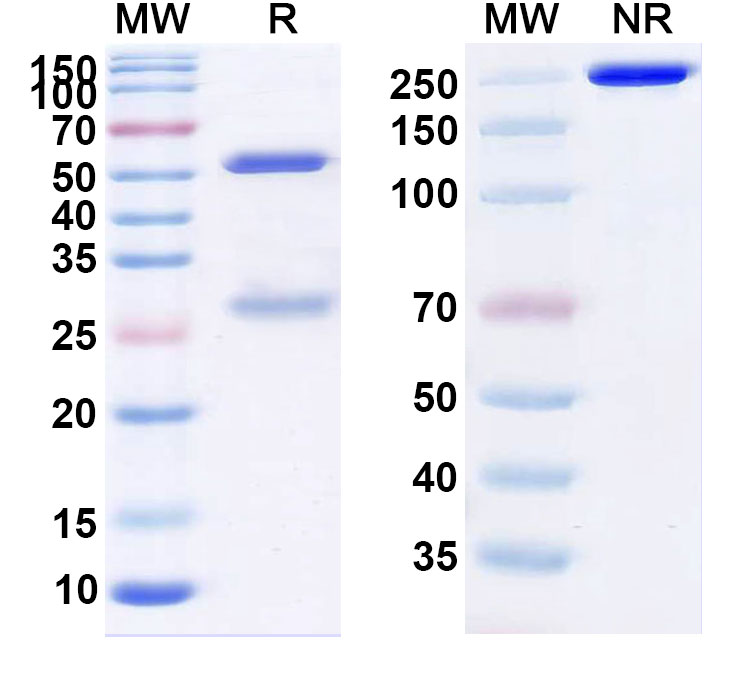
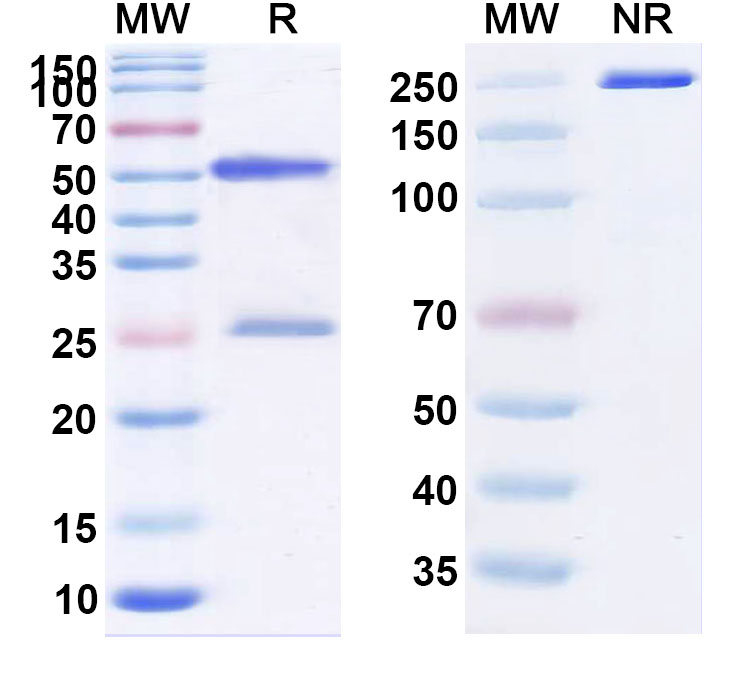
Frunevetmab Biosimilar is a recombinant, fully humanized mAb that is produced using a cell line derived from human embryonic kidney cells. It is composed of two heavy chains and two light chains, each with a molecular weight of approximately 150 kDa. The heavy and light chains are connected by disulfide bonds and form a Y-shaped structure. The variable regions of the antibody, which are responsible for binding to NGF, are located at the tips of the Y-shaped structure.
Activity of Frunevetmab Biosimilar
As a biosimilar to Frunevetmab, Frunevetmab Biosimilar has the same mechanism of action. It binds specifically to NGF and prevents it from interacting with its receptors, TrkA and p75NTR. This inhibition of NGF activity leads to a decrease in pain signaling and inflammation, making it a potential therapeutic option for conditions such as osteoarthritis and chronic pain.
Binding to NGF
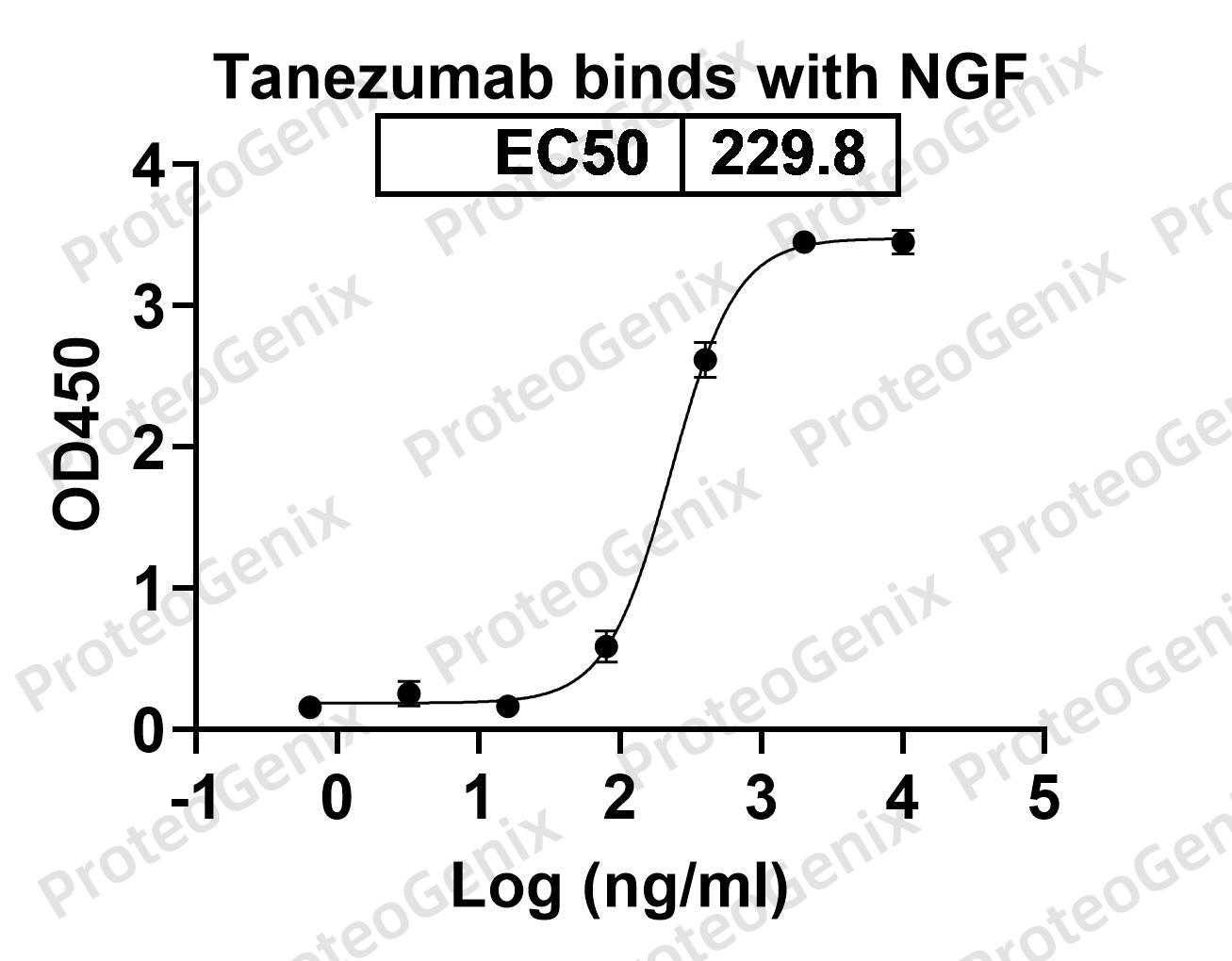
The binding of Frunevetmab Biosimilar to NGF occurs through its variable regions, which recognize and bind to specific sites on the NGF protein. This binding is highly specific, as the antibody is designed to only bind to NGF and not other proteins in the body.
Inhibition of NGF activity
Once bound to NGF, Frunevetmab Biosimilar prevents the protein from binding to its receptors, TrkA and p75NTR. This inhibition of NGF activity leads to a decrease in the transmission of pain signals and a reduction in inflammation.
Applications of Frunevetmab Biosimilar
Frunevetmab Biosimilar is currently being studied for its potential therapeutic applications in various conditions, including osteoarthritis, chronic pain, and cancer.
Osteoarthritis
In osteoarthritis, the cartilage in the joints breaks down, leading to pain and inflammation. NGF has been shown to play a role in the development of osteoarthritis by promoting the growth of nerve fibers in the joints. By inhibiting NGF activity, Frunevetmab Biosimilar may be able to reduce pain and inflammation in patients with osteoarthritis.
Chronic pain
Chronic pain is a complex condition that can be caused by various factors, including nerve damage and inflammation. NGF has been implicated in the development and maintenance of chronic pain by promoting the growth of nerve fibers and sensitizing pain receptors. By blocking NGF activity, Frunevetmab Biosimilar may provide relief for patients suffering from chronic pain.
Cancer
NGF has also been shown to play a role in the growth and progression of certain types of cancer. By inhibiting NGF activity, Frunevetmab Biosimilar may have potential as a cancer therapy by preventing the growth and spread of cancer cells.
Conclusion
Frunevetmab Biosimilar is a promising biosimilar to the therapeutic antibody, Frunevetmab, with a similar structure and mechanism of action. By targeting and inhibiting NGF activity, it has the potential to provide relief for patients suffering from conditions such as osteoarthritis, chronic pain, and cancer. Further research and clinical trials are needed to fully understand the potential of Frunevetmab Biosimilar as a therapeutic option.

There are no reviews yet.