Introduction
Gevokizumab Biosimilar, also known as Anti-IL1B mAb, is a research grade monoclonal antibody that targets the cytokine interleukin-1 beta (IL-1B). This antibody has shown promising results in clinical trials for the treatment of inflammatory diseases and is currently being developed as a biosimilar to the original drug, gevokizumab.
Structure of Gevokizumab Biosimilar
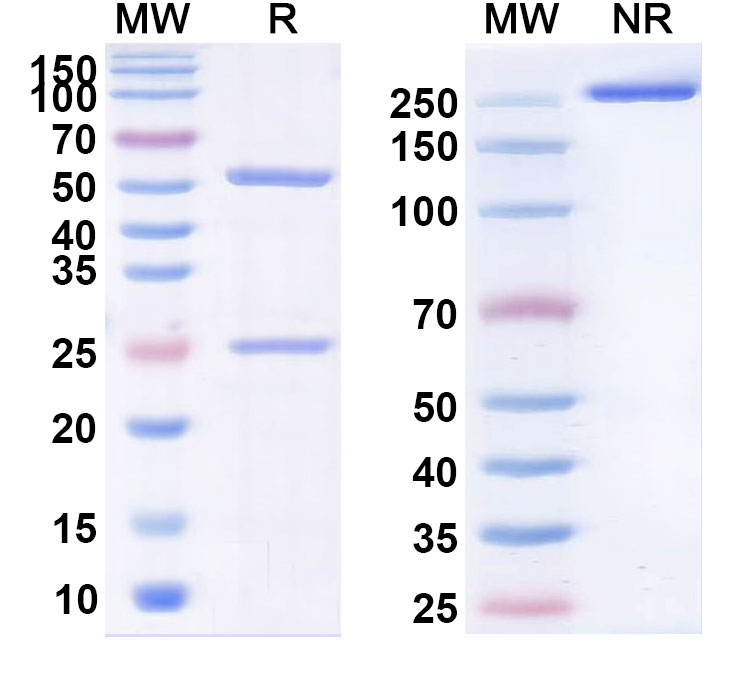
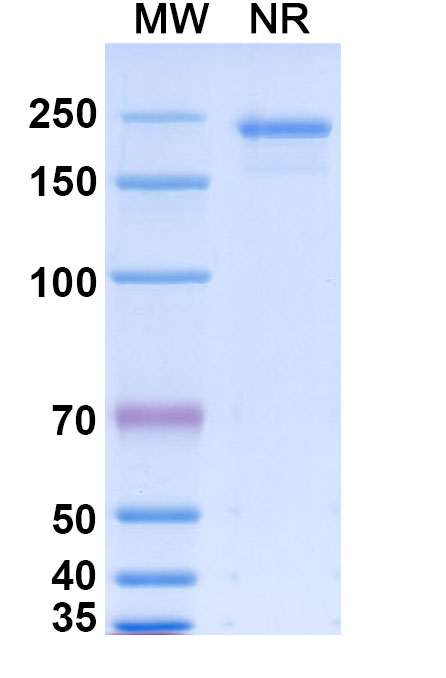
Gevokizumab Biosimilar is a humanized monoclonal antibody, meaning it is derived from both human and mouse sources. It consists of two identical heavy chains and two identical light chains, each with a molecular weight of approximately 150 kDa. These chains are linked by disulfide bonds and form a Y-shaped structure.
The variable regions of the antibody, located at the tips of the Y, are responsible for binding to IL-1B. The constant regions, located at the base of the Y, are responsible for mediating effector functions such as antibody-dependent cellular cytotoxicity (ADCC) and complement-dependent cytotoxicity (CDC).
Mechanism of Action
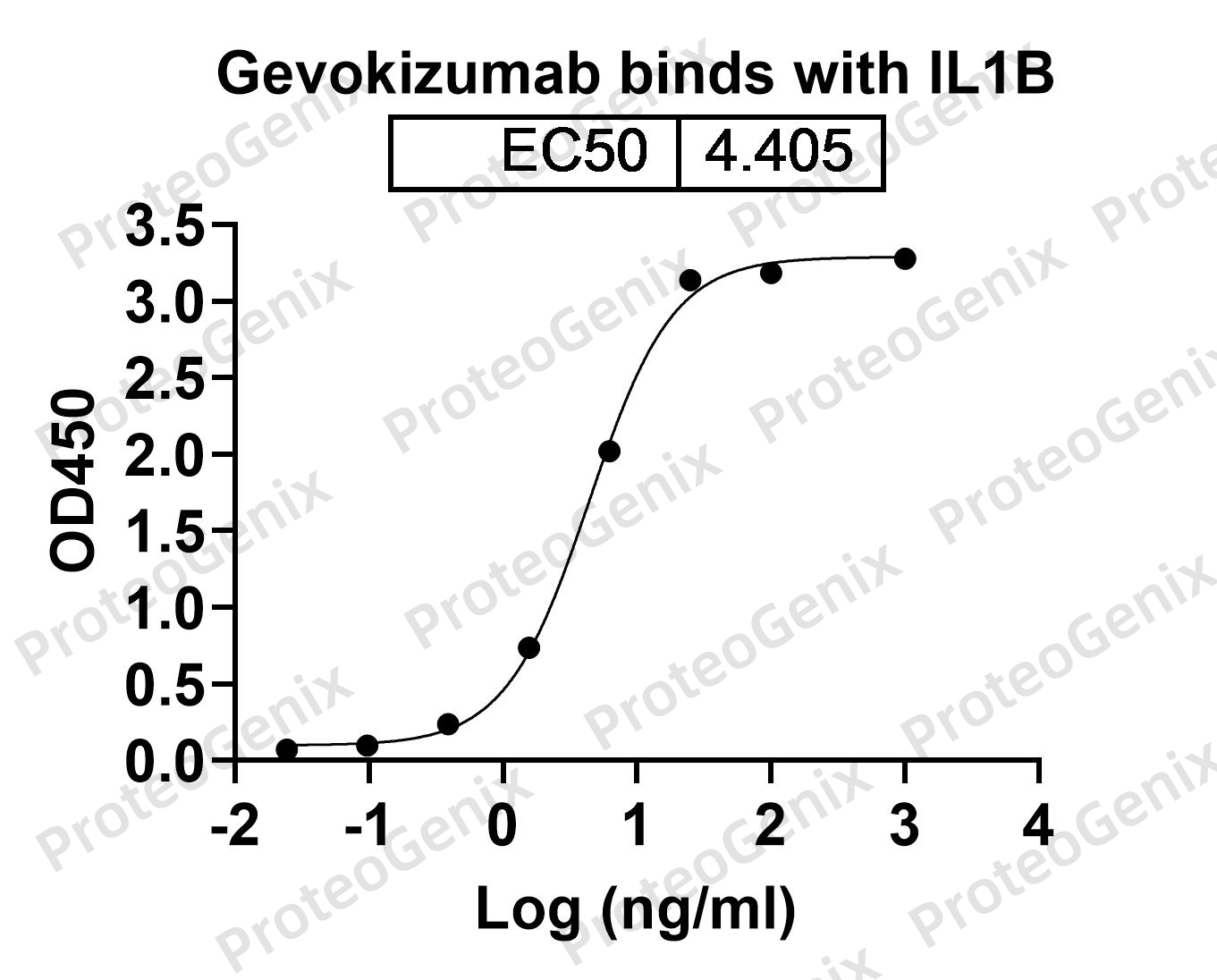
IL-1B is a pro-inflammatory cytokine that plays a key role in the pathogenesis of many diseases, including rheumatoid arthritis, gout, and type 2 diabetes. Gevokizumab Biosimilar works by binding to IL-1B and preventing it from interacting with its receptors on target cells.
By blocking the activity of IL-1B, Gevokizumab Biosimilar reduces inflammation and associated symptoms such as pain and swelling. It also helps to regulate the immune response and promote tissue repair.
Applications of Gevokizumab Biosimilar
Gevokizumab Biosimilar has shown promising results in clinical trials for the treatment of various inflammatory diseases. It has been studied in patients with rheumatoid arthritis, psoriasis, and gout, among others.
One of the key advantages of this biosimilar is its potential to offer a more cost-effective alternative to the original drug, gevokizumab. This could make it more accessible to patients in need of treatment for these debilitating diseases.
Research Grade vs. Therapeutic Grade
Gevokizumab Biosimilar is currently being developed as a research grade antibody, meaning it is intended for use in laboratory research and not for human therapeutic purposes. However, it is important to note that the same antibody can be used for both research and therapeutic purposes, as long as it meets the necessary quality and safety standards.
In order for Gevokizumab Biosimilar to be approved for therapeutic use, it will need to undergo further clinical trials and meet stringent regulatory requirements. This process can take several years, but if successful, the biosimilar could potentially provide a more affordable treatment option for patients.
Conclusion
Gevokizumab Biosimilar, also known as Anti-IL1B mAb, is a research grade monoclonal antibody that targets the pro-inflammatory cytokine IL-1B. It has shown promising results in clinical trials for the treatment of inflammatory diseases and is being developed as a biosimilar to the original drug, gevokizumab. Its unique structure and mechanism of action make it a promising candidate for the treatment of various inflammatory conditions. Further research and development will be necessary before it can be approved for therapeutic use, but if successful, it could offer a more cost-effective treatment option for patients in need.


There are no reviews yet.