Felvizumab Biosimilar: A Promising Antibody for Treating RSV Infection Introduction
Felvizumab Biosimilar, also known as anti-RSV mAb, is a monoclonal antibody that specifically targets the respiratory syncytial virus (RSV). RSV is a highly contagious virus that can cause severe respiratory infections, especially in infants, young children, and older adults. Felvizumab Biosimilar is a research-grade antibody that is currently being studied for its potential therapeutic applications in treating RSV infection.
Structure of Felvizumab Biosimilar
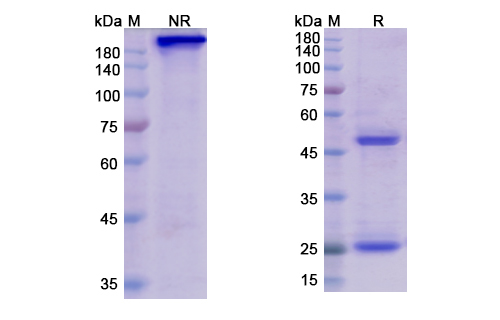
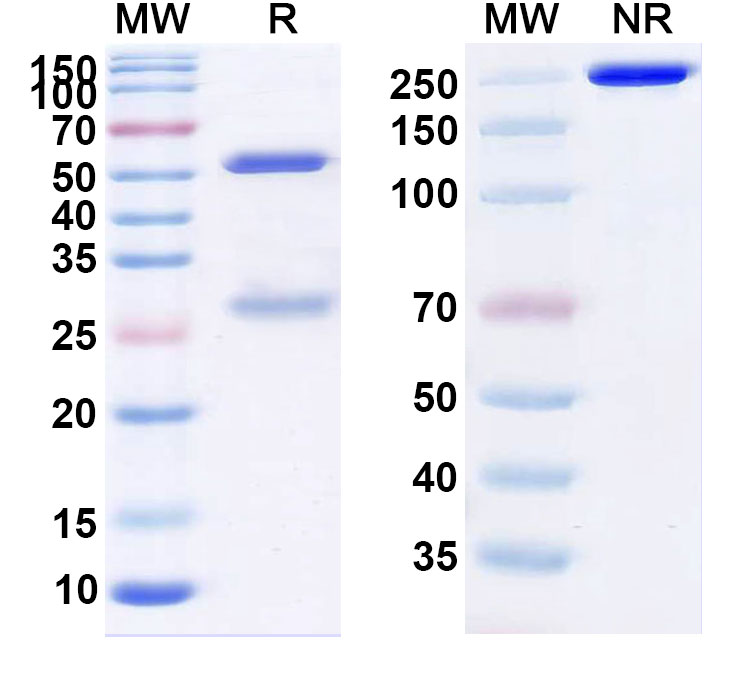
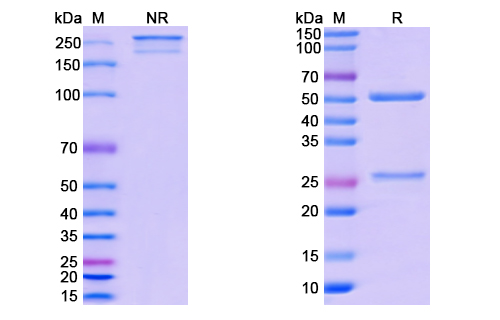
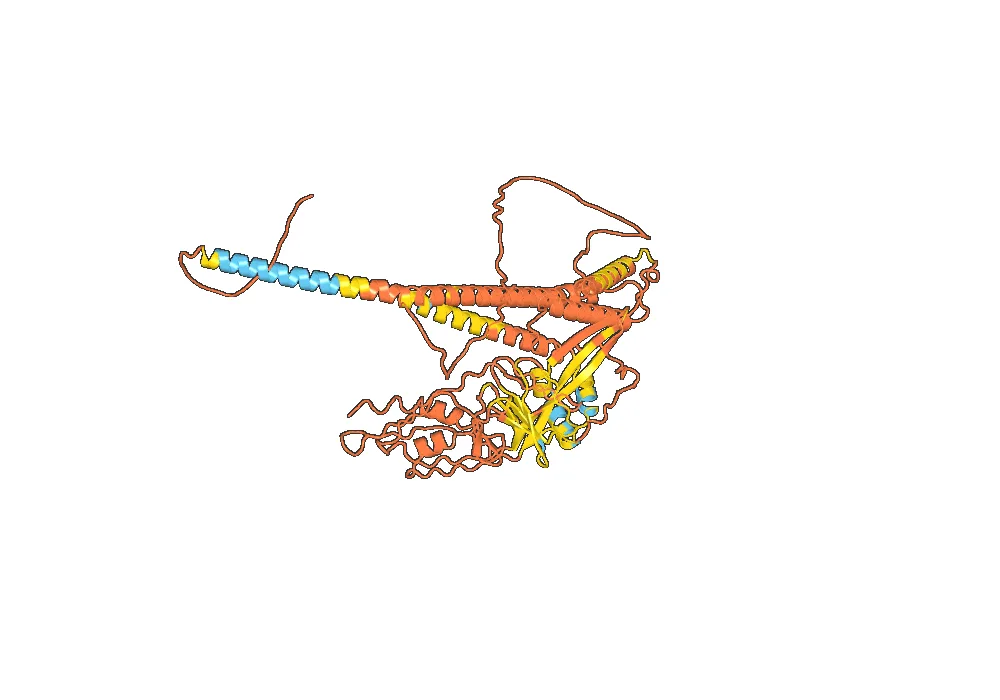
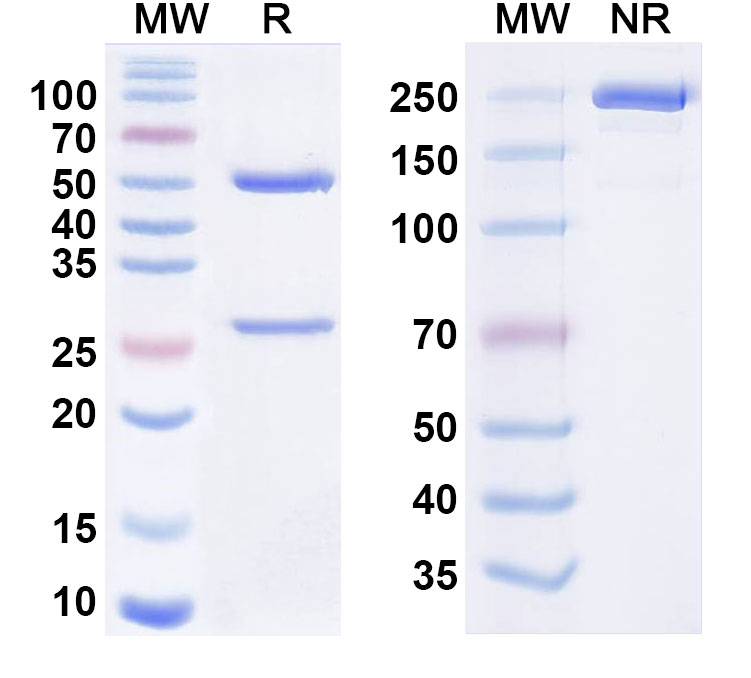
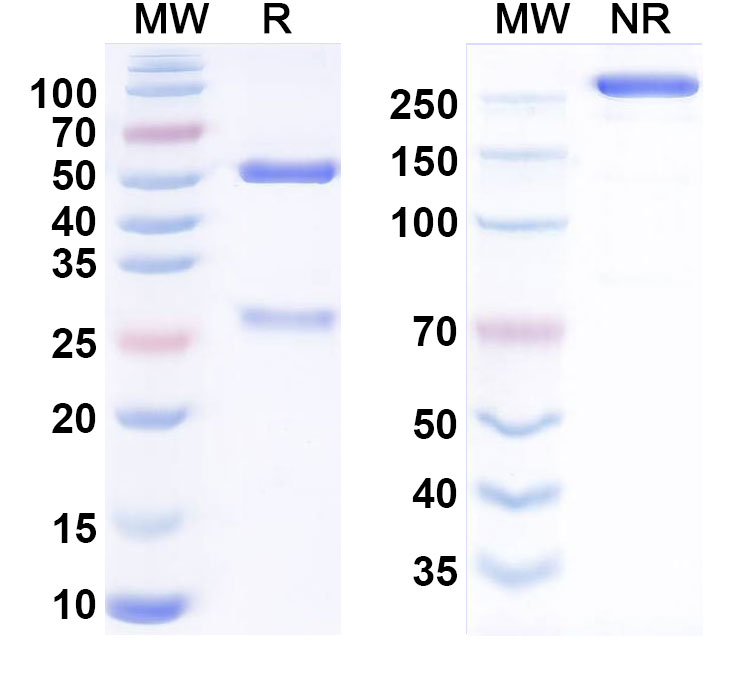
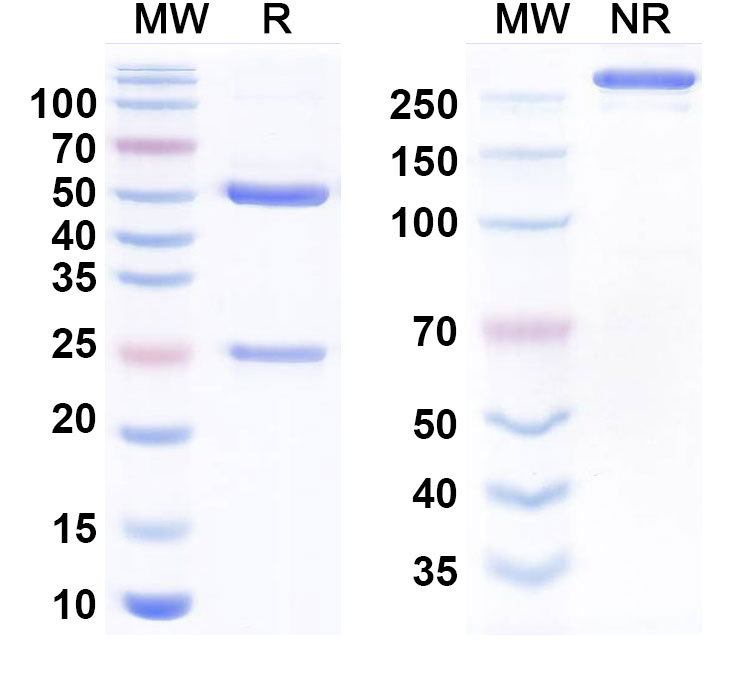
Felvizumab Biosimilar is a recombinant humanized monoclonal antibody, meaning it is produced through genetic engineering techniques to have a structure that is similar to human antibodies. It is composed of two identical heavy chains and two identical light chains, each with a variable region and a constant region. The variable region is responsible for binding to the RSV virus, while the constant region determines the antibody’s effector functions.
Mechanism of Action
Felvizumab Biosimilar works by binding to a specific protein on the surface of the RSV virus, called the fusion (F) protein. This protein is essential for the virus to enter and infect cells in the respiratory tract. By binding to the F protein, Felvizumab Biosimilar prevents the virus from entering cells and replicating, thus inhibiting the spread of the infection.
Potential Applications
Felvizumab Biosimilar is being studied for its potential therapeutic applications in treating RSV infection. It has shown promising results in preclinical studies, demonstrating its ability to neutralize the virus and reduce viral load. This suggests that Felvizumab Biosimilar may be effective in treating RSV infection and preventing its complications, such as pneumonia and bronchiolitis.
Treatment of RSV Infection
The primary application of Felvizumab Biosimilar is in the treatment of RSV infection. It is being investigated as a potential alternative to current treatments, such as ribavirin and palivizumab, which have limited efficacy and potential side effects. Felvizumab Biosimilar has the potential to be a more effective and safer treatment option for RSV infection.
Prevention of RSV Infection
Felvizumab Biosimilar may also have the potential to prevent RSV infection. It is being studied as a potential prophylactic treatment for high-risk individuals, such as premature infants and elderly adults. By administering Felvizumab Biosimilar, it may be possible to prevent RSV infection and reduce the burden of the disease in vulnerable populations.
Combination Therapy
In addition to its potential as a standalone treatment, Felvizumab Biosimilar may also be used in combination with other therapies. It has been shown to enhance the antiviral activity of other RSV treatments, such as interferon, in preclinical studies. This suggests that Felvizumab Biosimilar may have a synergistic effect when used in combination with other anti-RSV therapies.
Conclusion
Felvizumab Biosimilar is a promising antibody for the treatment of RSV infection. Its specific targeting of the RSV virus and potential to prevent and treat the disease make it a valuable addition to the current arsenal of RSV treatments. Further research and clinical trials are needed to fully understand the potential of Felvizumab Biosimilar and its role in managing RSV infection.
There are no reviews yet.