Introduction to Onvatilimab Biosimilar
Onvatilimab Biosimilar, also known as Anti-VSIR mAb, is a research grade monoclonal antibody that has shown promising results in the treatment of various diseases. This antibody specifically targets the VSIR protein, making it a potential therapeutic tool for a wide range of conditions. In this article, we will explore the structure, activity, and applications of Onvatilimab Biosimilar in detail.
Structure of Onvatilimab Biosimilar
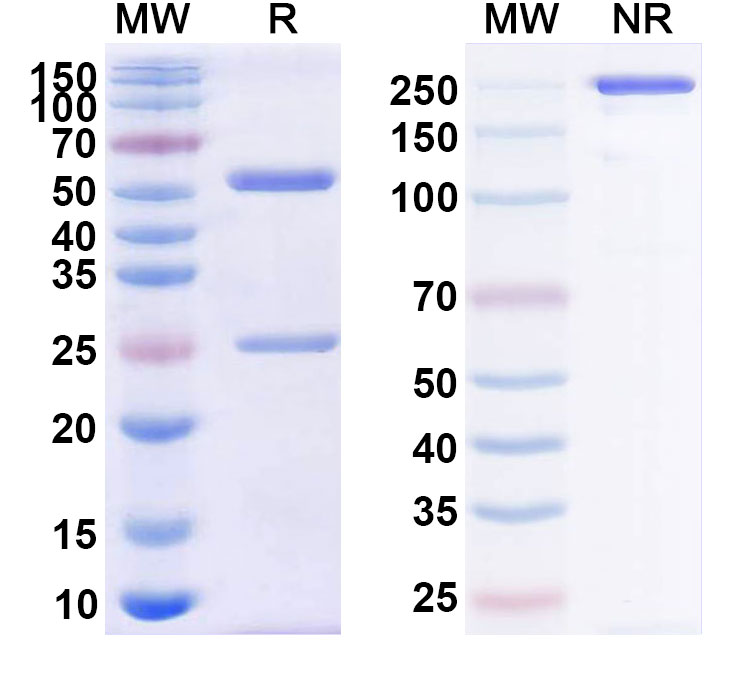
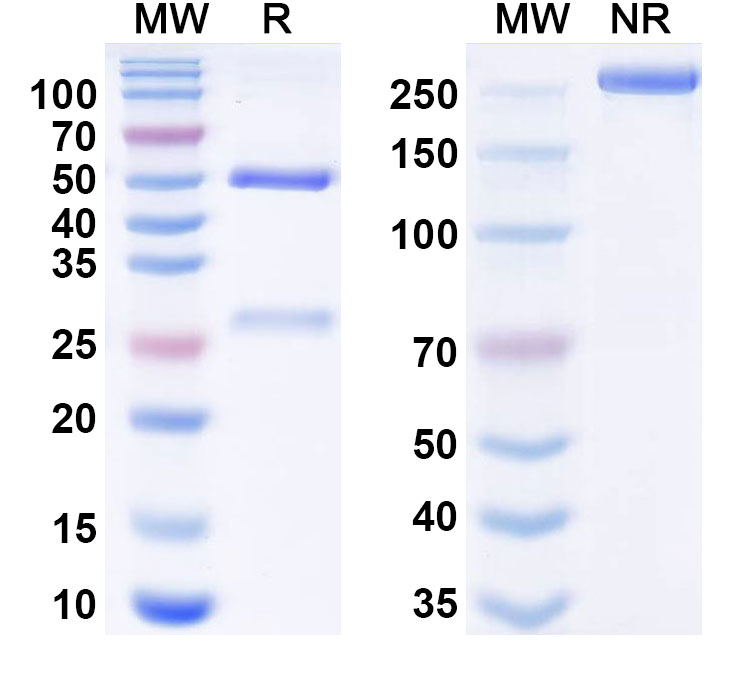
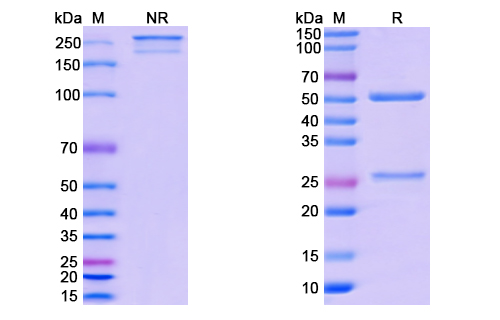
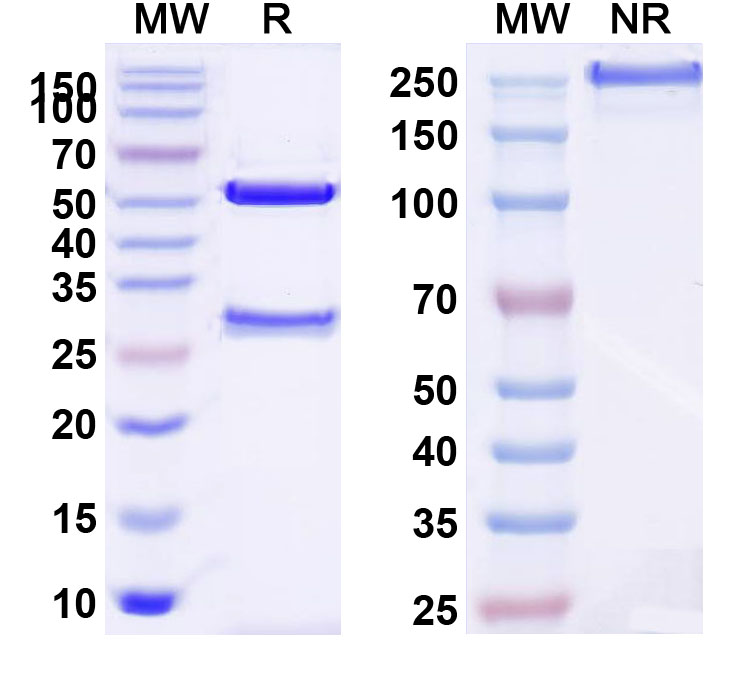
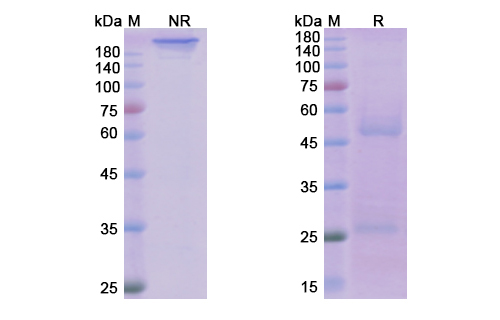
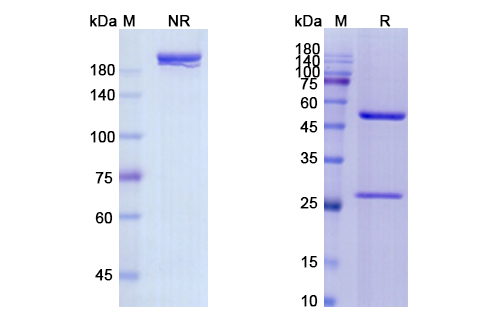
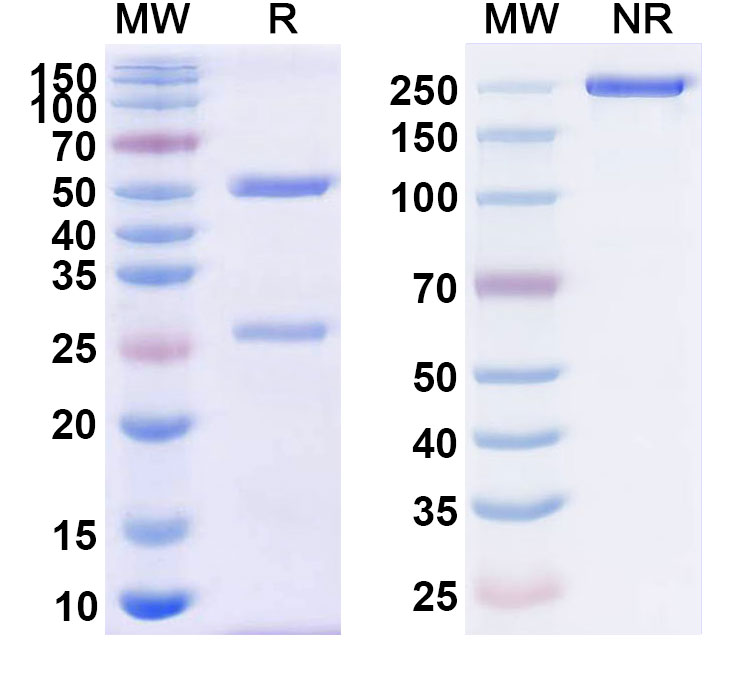
Onvatilimab Biosimilar is a type of immunoglobulin G (IgG) antibody, which is a Y-shaped protein made up of four polypeptide chains. These chains consist of two heavy chains and two light chains, connected by disulfide bonds. The heavy chains contain a constant region and a variable region, while the light chains only have a variable region.
The variable region of the antibody is responsible for binding to the target protein, in this case, VSIR. This region is highly specific and can recognize and bind to VSIR with high affinity. The constant region, on the other hand, is responsible for the effector functions of the antibody, such as activating the immune system to fight against the target.
Activity of Onvatilimab Biosimilar
The main activity of Onvatilimab Biosimilar is to inhibit the function of VSIR, a protein that plays a crucial role in regulating the immune response. VSIR is primarily expressed on T cells and is known to suppress their function, leading to immune tolerance. However, in certain diseases, such as cancer and autoimmune disorders, this suppression can be detrimental. Onvatilimab Biosimilar binds to VSIR, preventing it from interacting with its receptors and thus, blocking its suppressive activity.
Additionally, Onvatilimab Biosimilar can also activate the immune system through its constant region. This can lead to the destruction of cancer cells or the suppression of autoimmune responses, depending on the specific disease being treated.
Applications of Onvatilimab Biosimilar
Onvatilimab Biosimilar has shown potential in the treatment of various diseases, including cancer and autoimmune disorders. In cancer, Onvatilimab Biosimilar can enhance the anti-tumor immune response by activating T cells and inhibiting the suppressive function of VSIR. This can lead to the destruction of cancer cells and potentially improve patient outcomes.
In autoimmune disorders, Onvatilimab Biosimilar can suppress the overactive immune response that is responsible for damaging healthy tissues. By inhibiting VSIR, this antibody can restore immune balance and reduce the symptoms of autoimmune diseases.
Furthermore, Onvatilimab Biosimilar has also shown potential in the treatment of chronic inflammatory diseases, such as inflammatory bowel disease and psoriasis. These conditions are characterized by an overactive immune response, which can be modulated by Onvatilimab Biosimilar through its VSIR-targeting activity.
Conclusion
Onvatilimab Biosimilar, also known as Anti-VSIR mAb, is a research grade monoclonal antibody that has shown promising results in the treatment of various diseases. Its specific targeting of VSIR and its ability to modulate the immune response make it a potential therapeutic tool for a wide range of conditions. With further research and clinical trials, Onvatilimab Biosimilar has the potential to improve patient outcomes and provide a new treatment option for various diseases.

There are no reviews yet.