Introduction
Enapotamab Biosimilar, also known as Anti-AXL mAb, is a monoclonal antibody that has been developed as a biosimilar to the original AXL inhibitor antibody. This biosimilar has been designed to target and inhibit the activity of the AXL receptor, which has been identified as a therapeutic target in various diseases. In this article, we will discuss the structure, activity, and potential applications of Enapotamab Biosimilar in research.
Structure of Enapotamab Biosimilar
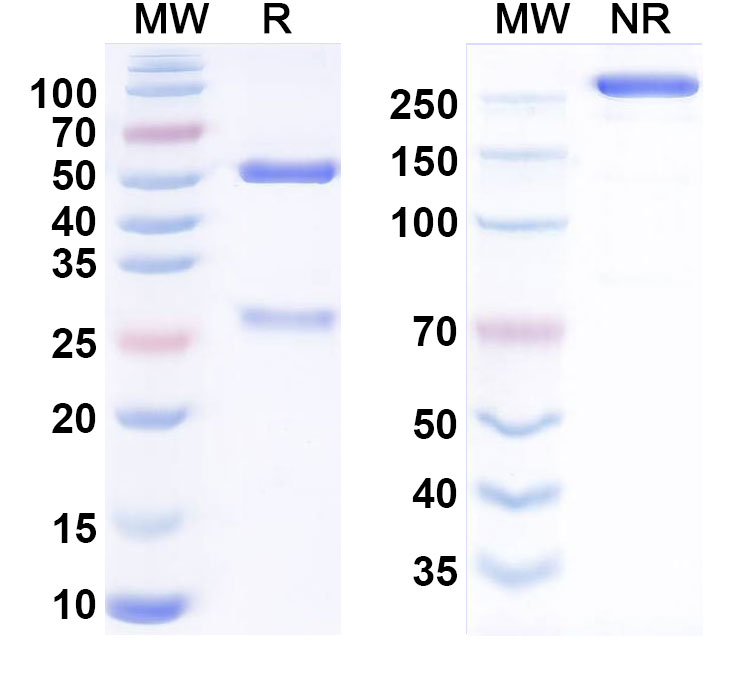
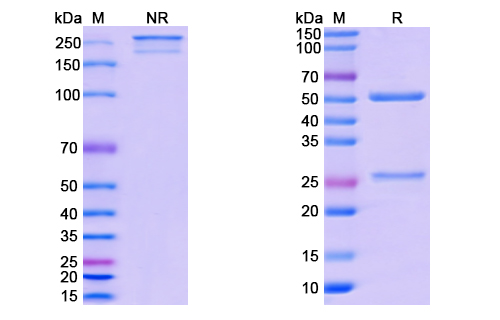
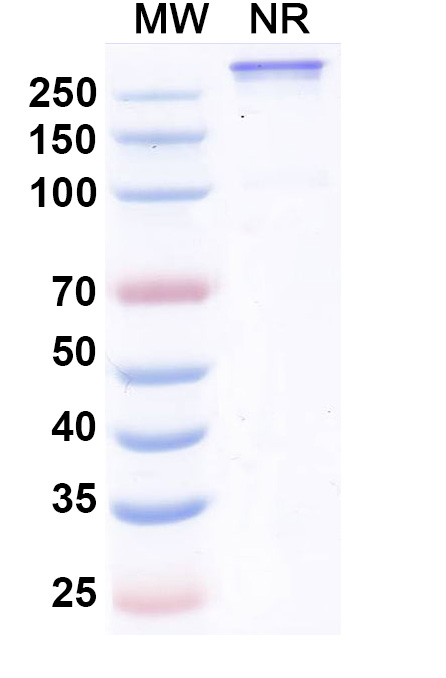
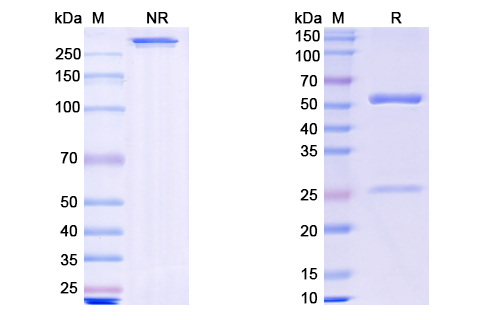
Enapotamab Biosimilar is a recombinant humanized monoclonal antibody, meaning that it is produced through genetic engineering techniques using human cells. The antibody has a molecular weight of approximately 150 kDa and is composed of two identical heavy chains and two identical light chains. It belongs to the IgG1 class of antibodies, which is the most abundant type of antibody in the human body.
The amino acid sequence of Enapotamab Biosimilar has been engineered to closely match the original AXL inhibitor antibody, ensuring its similarity in structure and function. The antibody has a variable region that is responsible for binding to the AXL receptor, and a constant region that is responsible for mediating effector functions.
Activity of Enapotamab Biosimilar
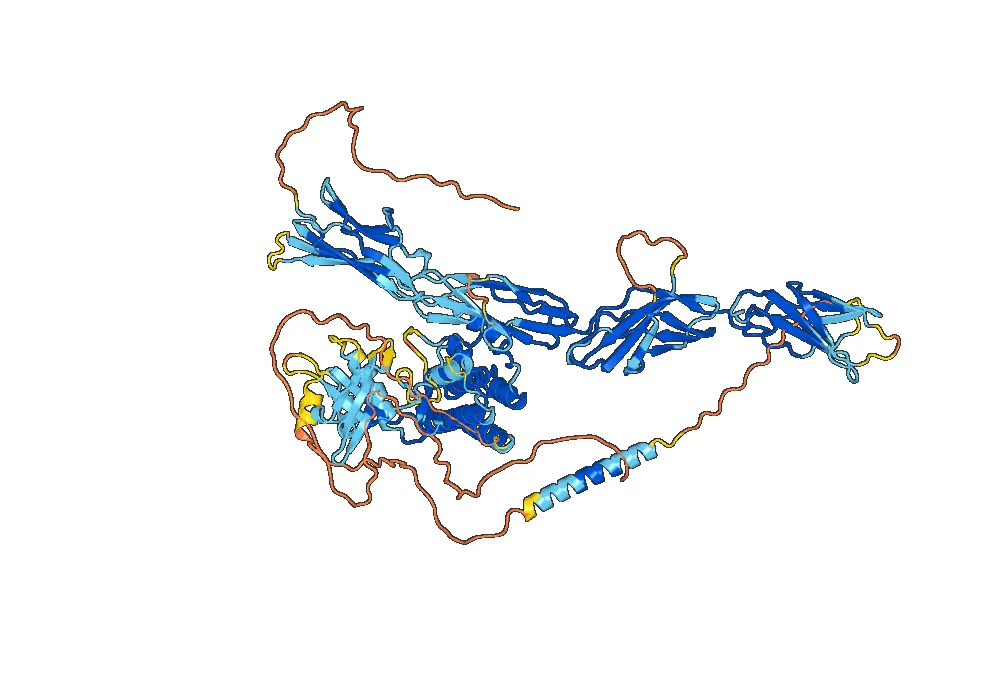
Enapotamab Biosimilar specifically targets the AXL receptor, which is a member of the TAM family of receptor tyrosine kinases. This receptor is known to play a role in various cellular processes, including cell survival, proliferation, migration, and invasion. Overexpression of AXL has been linked to the development and progression of various types of cancer, making it an attractive therapeutic target.
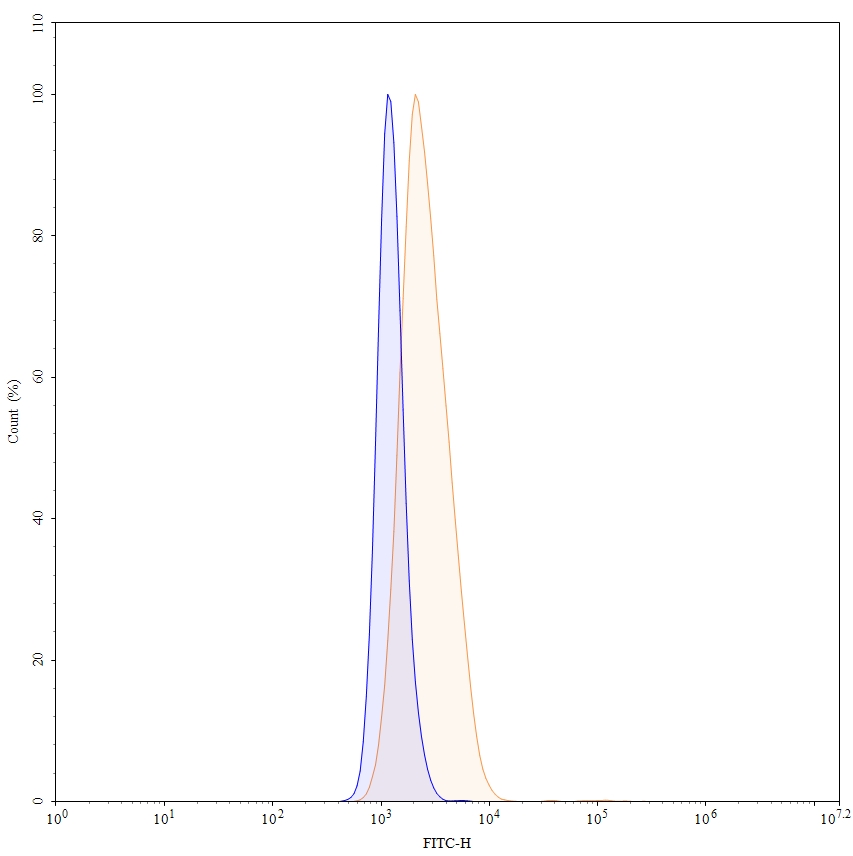
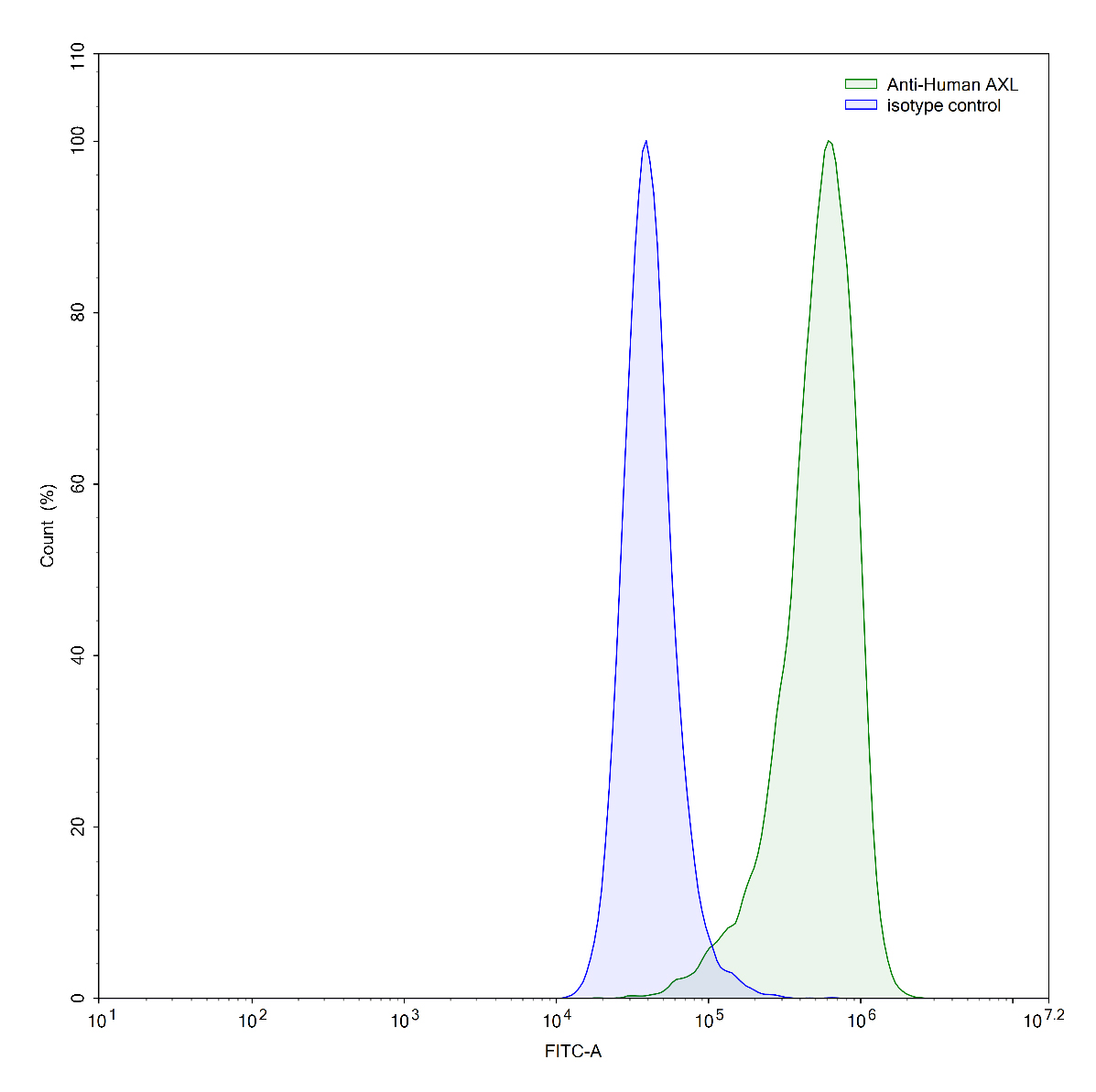
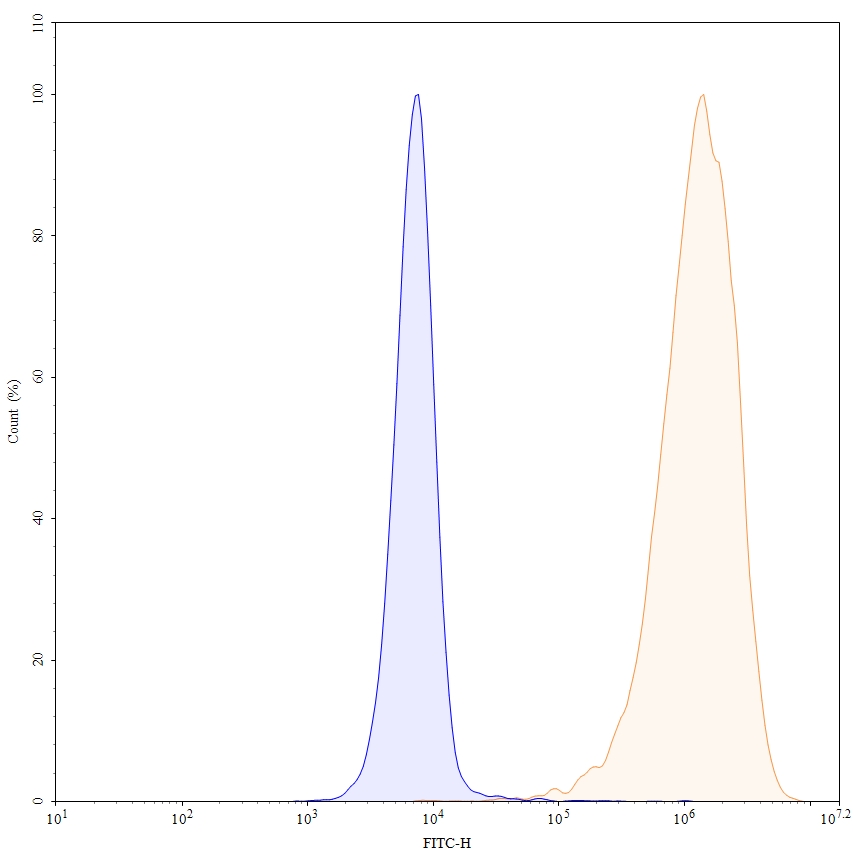
Enapotamab Biosimilar binds to the extracellular domain of the AXL receptor, preventing its activation by its ligand, Gas6. This inhibition of AXL signaling leads to decreased cell survival, proliferation, and migration, ultimately resulting in the inhibition of tumor growth. Additionally, Enapotamab Biosimilar has been shown to induce antibody-dependent cellular cytotoxicity (ADCC), which further enhances its anti-tumor activity.
Applications in Research
Enapotamab Biosimilar is currently being evaluated in preclinical and clinical studies for its potential use in various types of cancer, including solid tumors and hematological malignancies. In preclinical studies, Enapotamab Biosimilar has shown promising results in inhibiting tumor growth and enhancing the activity of other anti- cancer therapies.
In addition to its potential as a cancer treatment, Enapotamab Biosimilar has also shown potential in other diseases where AXL plays a role, such as inflammatory and autoimmune disorders. Research is ongoing to explore the potential of Enapotamab Biosimilar in these areas.
Furthermore, Enapotamab Biosimilar can also be used as a research tool to study the role of AXL in different cellular processes and diseases. Its specific targeting of the AXL receptor makes it a valuable tool for understanding the mechanisms of AXL signaling and its potential as a therapeutic target.
Conclusion
Enapotamab Biosimilar, also known as Anti-AXL mAb, is a recombinant humanized monoclonal antibody that specifically targets the AXL receptor. Its structural similarity to the original AXL inhibitor antibody and its ability to inhibit AXL signaling make it a promising biosimilar for the treatment of various types of cancer. In addition, Enapotamab Biosimilar has potential applications in other diseases and can also be used as a research tool to study AXL signaling. Further research and clinical trials are needed to fully understand the potential of Enapotamab Biosimilar in the field of cancer and beyond.

There are no reviews yet.