Introduction
Yth12.5 Biosimilar is a novel antibody that has been developed as a biosimilar version of Anti-CD3E monoclonal antibody (mAb). This biosimilar is specifically designed for research purposes and has shown promising results in preclinical studies. In this article, we will discuss the structure, activity, and potential applications of Yth12.5 Biosimilar as a therapeutic target.
Structure of Yth12.5 Biosimilar
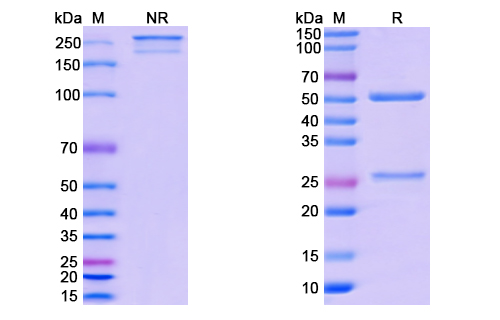
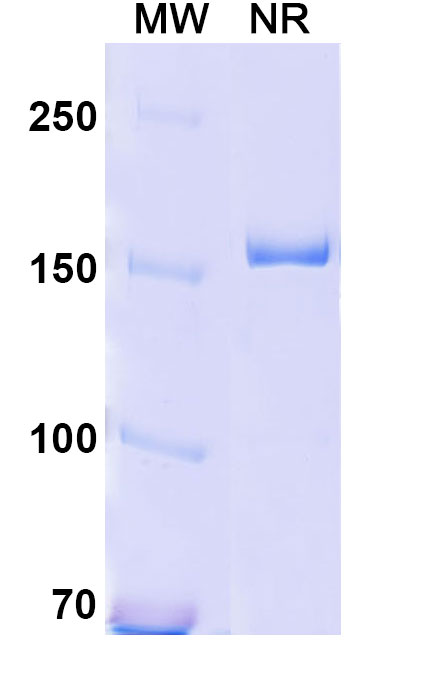
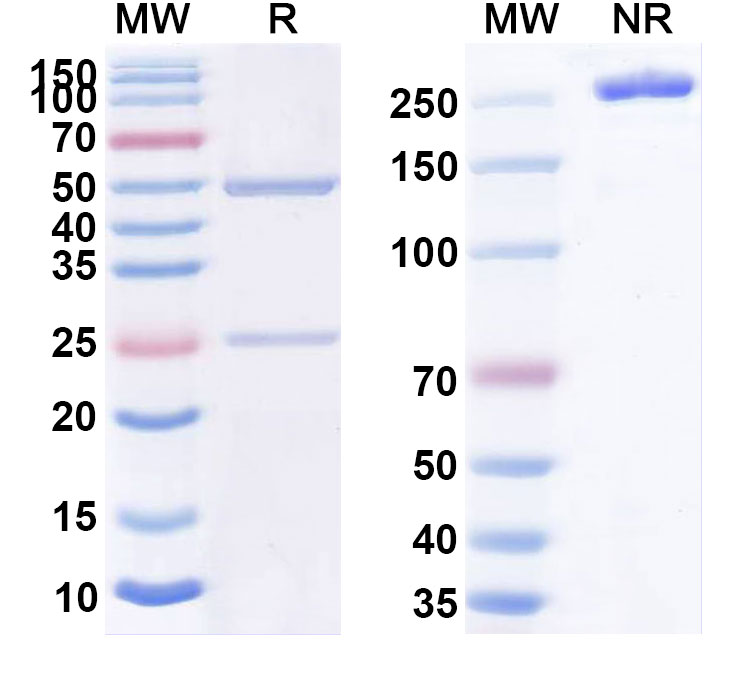
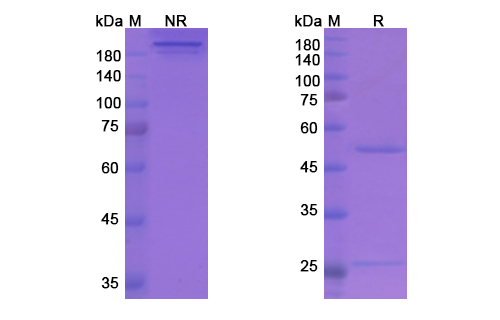
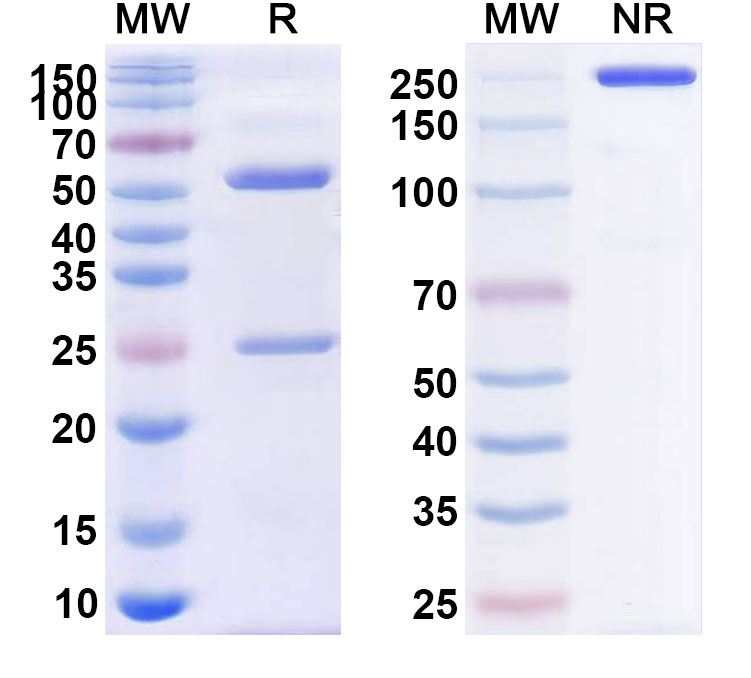
Yth12.5 Biosimilar is a recombinant humanized IgG1 monoclonal antibody that is composed of two heavy chains and two light chains. It has a molecular weight of approximately 150 kDa and is produced using Chinese hamster ovary (CHO) cells. The antibody has a variable region that specifically binds to the CD3E antigen and a constant region that mediates effector functions.
Activity of Yth12.5 Biosimilar
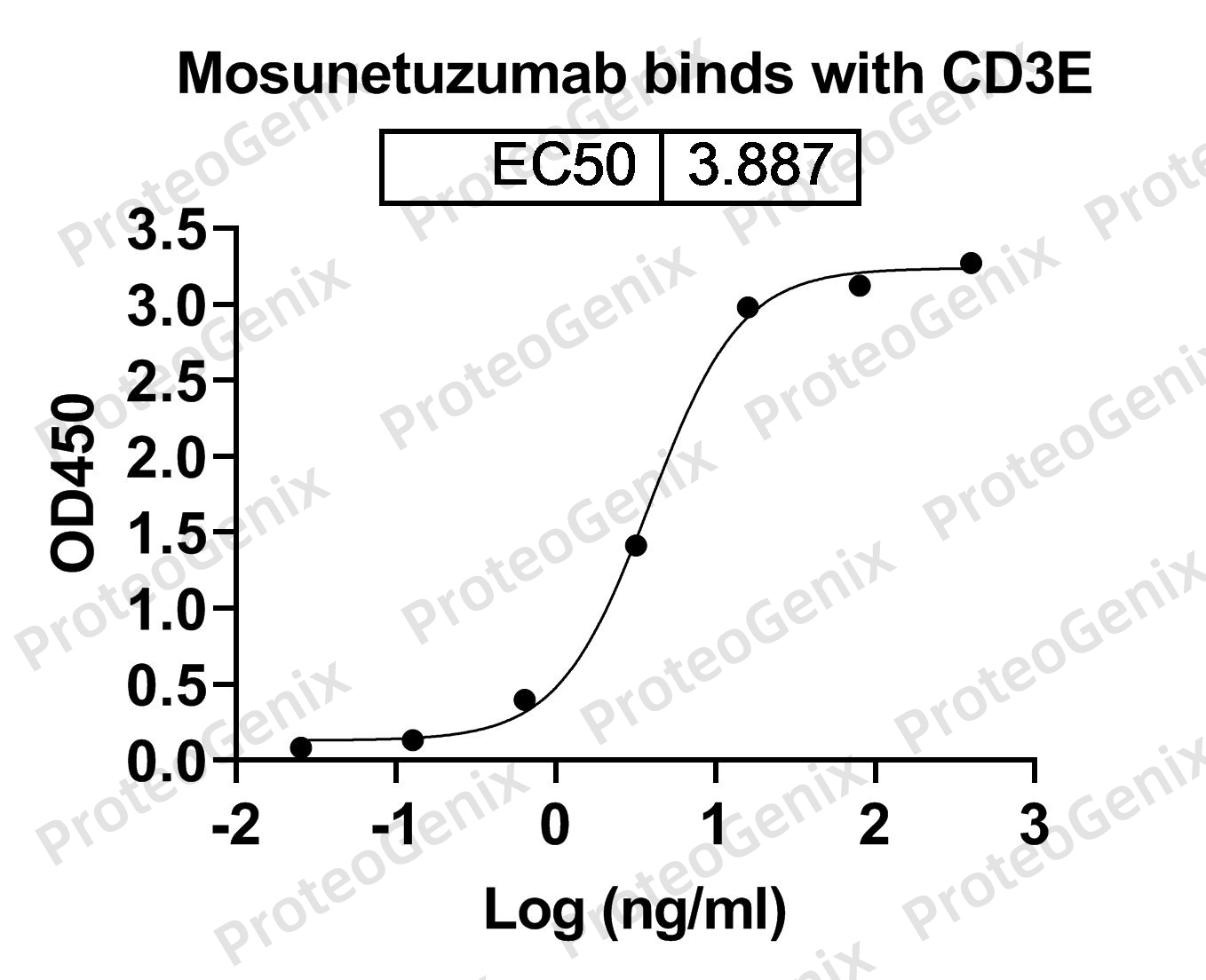
The primary activity of Yth12.5 Biosimilar is the specific binding to the CD3E antigen. CD3E is a transmembrane protein that is expressed on the surface of T cells. It plays a crucial role in the activation and proliferation of T cells. By binding to CD3E, Yth12.5 Biosimilar can modulate the function of T cells and regulate the immune response.
In addition to its binding activity, Yth12.5 Biosimilar also has effector functions that can mediate the destruction of target cells. These effector functions include antibody-dependent cell-mediated cytotoxicity (ADCC) and complement-dependent cytotoxicity (CDC). These mechanisms can be utilized for the treatment of diseases where abnormal or overactive T cells are involved, such as autoimmune disorders and certain types of cancer.
Applications of Yth12.5 Biosimilar
Yth12.5 Biosimilar has a wide range of potential applications due to its ability to modulate the immune response. One of the main applications of this biosimilar is in the treatment of autoimmune diseases. By targeting and regulating the function of T cells, Yth12.5 Biosimilar can help to reduce the excessive immune response that is responsible for these diseases.
Another potential application of Yth12.5 Biosimilar is in the treatment of certain types of cancer. T cells play a crucial role in the body’s immune response against cancer cells. By targeting CD3E, Yth12.5 Biosimilar can enhance the activity of T cells and promote the destruction of cancer cells. This can be particularly beneficial in combination with other cancer treatments, such as chemotherapy or immunotherapy.
Furthermore, Yth12.5 Biosimilar can also be used in research studies to better understand the role of CD3E in various diseases and to develop new therapies targeting this antigen. Its high specificity and activity make it a valuable tool for studying the immune system and its dysregulation in different conditions.
Conclusion
In conclusion, Yth12.5 Biosimilar is a novel antibody that has been developed as a biosimilar version of Anti-CD3E mAb. Its structure, activity, and potential applications make it a promising therapeutic target for various diseases, particularly autoimmune disorders and cancer. Further studies and clinical trials are needed to fully assess the safety and efficacy of Yth12.5 Biosimilar, but initial results show great potential for this biosimilar in the field of immunotherapy.
Keywords
Yth12.5 Biosimilar, Anti-CD3E mAb, biosimilar, antibody, therapeutic target, research, structure, activity, applications, autoimmune diseases, cancer, immunotherapy.


There are no reviews yet.