Introduction to Yfc51.1Mab Biosimilar – Anti-ITGB2, CD18 mAb
Yfc51.1Mab Biosimilar is a monoclonal antibody (mAb) that specifically targets the integrin beta-2 (ITGB2) protein, also known as CD18. This mAb is a biosimilar, meaning it is highly similar to a previously approved mAb, but manufactured by a different company. Yfc51.1Mab Biosimilar is currently in the research grade stage, meaning it is being studied for potential therapeutic applications.
Structure of Yfc51.1Mab Biosimilar
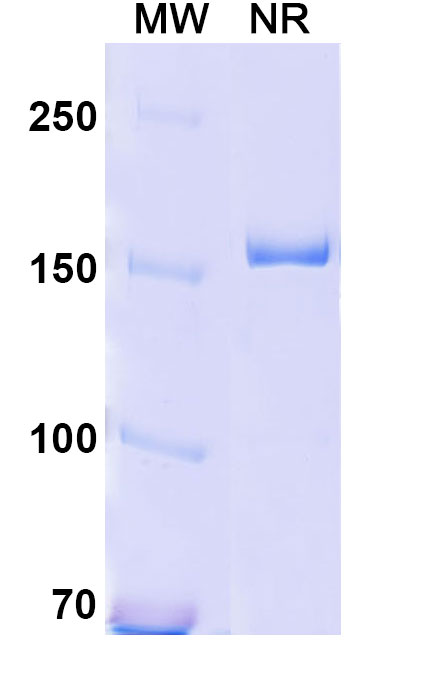
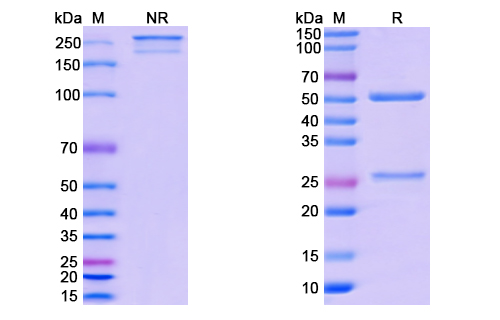
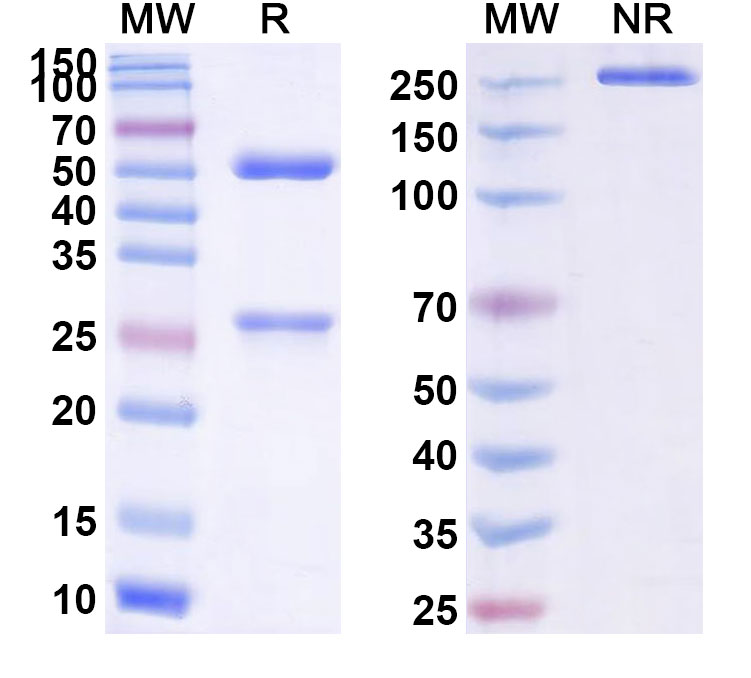
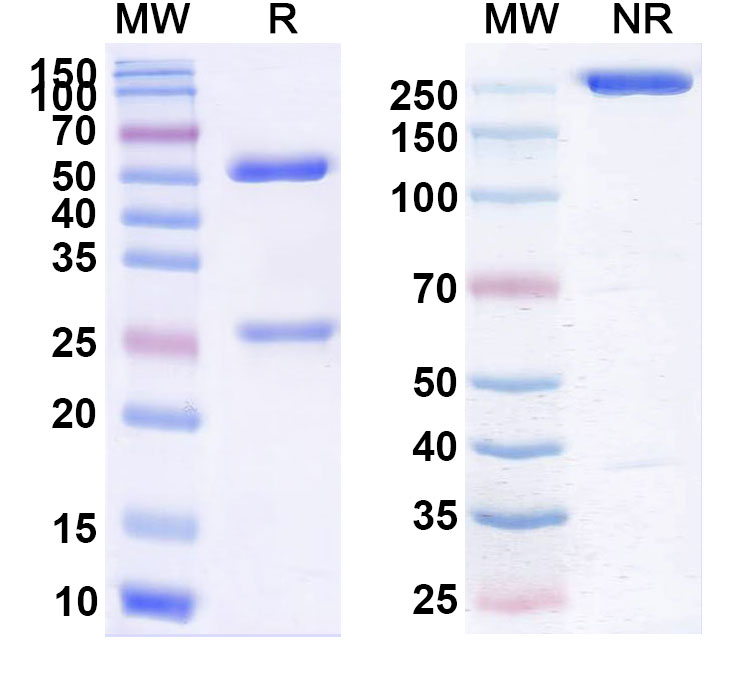
Yfc51.1Mab Biosimilar is a recombinant humanized IgG1 monoclonal antibody. It is composed of two heavy chains and two light chains, each containing a variable region and a constant region. The variable region is responsible for binding to the specific target, ITGB2, while the constant region is responsible for immune effector functions. Yfc51.1Mab Biosimilar is produced using recombinant DNA technology, allowing for precise control of its structure and function.
Activity of Yfc51.1Mab Biosimilar
Yfc51.1Mab Biosimilar specifically targets the ITGB2 protein, which is a subunit of the integrin family of cell adhesion molecules. Integrins play a crucial role in cell-cell and cell-matrix interactions, and are involved in a variety of physiological processes, including immune response, wound healing, and tissue remodeling.
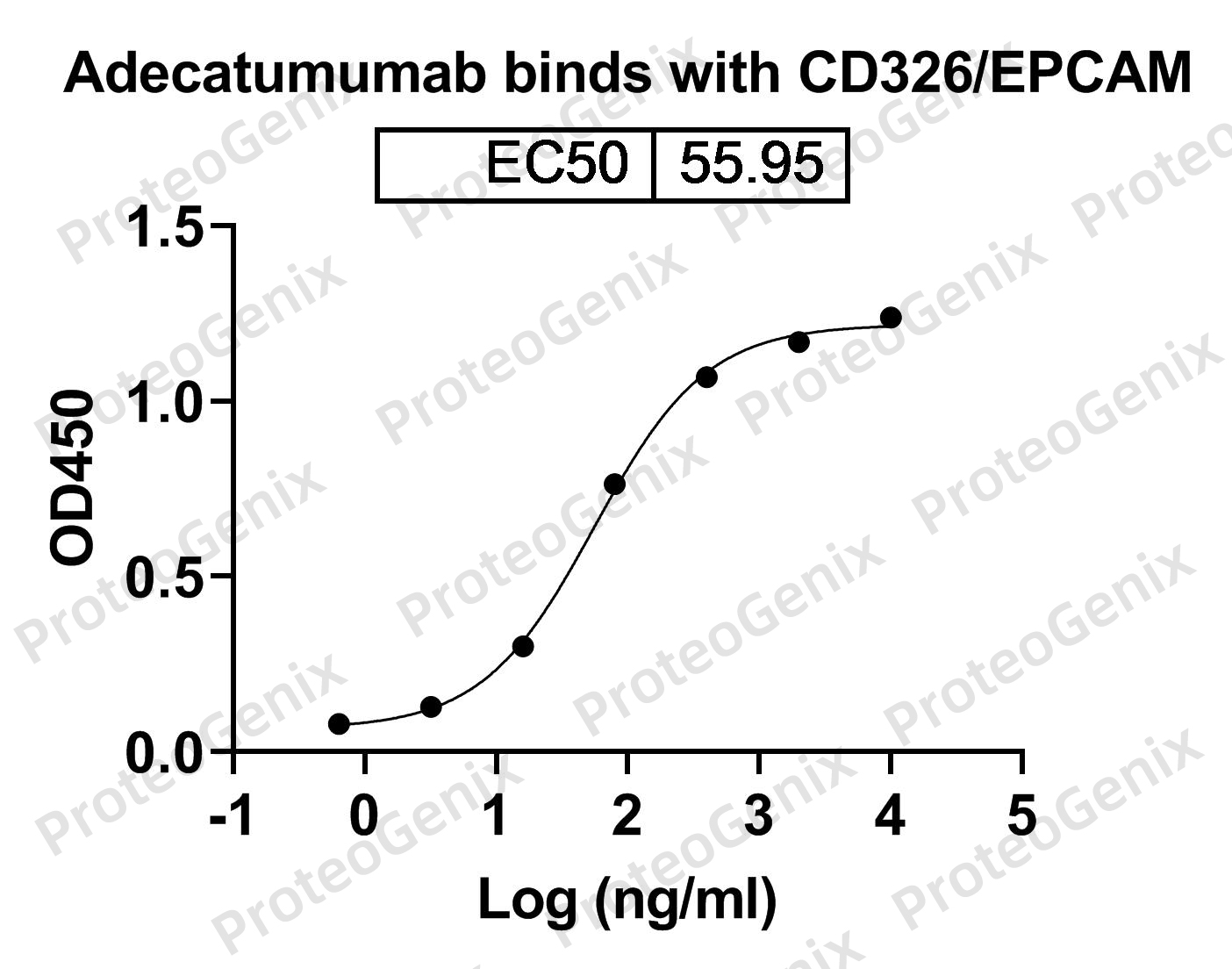
ITGB2 is primarily expressed on the surface of leukocytes, specifically on the surface of neutrophils, monocytes, and lymphocytes. These cells play a key role in the immune response, and ITGB2 is essential for their proper function. Yfc51.1Mab Biosimilar binds to ITGB2, preventing its interaction with other molecules and inhibiting its function. This can have a therapeutic effect in certain diseases where ITGB2 is overactive or dysregulated.
Application of Yfc51.1Mab Biosimilar
Yfc51.1Mab Biosimilar has potential therapeutic applications in various diseases where ITGB2 is involved. One potential application is in the treatment of inflammatory conditions, such as rheumatoid arthritis and inflammatory bowel disease. In these diseases, ITGB2 is overactive and contributes to the excessive inflammation. By targeting and inhibiting ITGB2, Yfc51.1Mab Biosimilar can help reduce inflammation and alleviate symptoms.
Another potential application of Yfc51.1Mab Biosimilar is in the treatment of certain types of cancer. ITGB2 has been shown to play a role in tumor growth and metastasis, and targeting it with Yfc51.1Mab Biosimilar may help inhibit these processes. Additionally, Yfc51.1Mab Biosimilar may also be useful in preventing organ rejection in transplant patients, as ITGB2 is involved in immune response to foreign tissue.
Conclusion
In conclusion, Yfc51.1Mab Biosimilar is a monoclonal antibody that specifically targets the ITGB2 protein. Its structure and function allow it to bind to and inhibit ITGB2, potentially providing therapeutic benefits in various diseases where ITGB2 is overactive or dysregulated. As a biosimilar, Yfc51.1Mab Biosimilar offers a more affordable and accessible option for patients in need of this targeted therapy. Further research and clinical trials are needed to fully understand the potential of Yfc51.1Mab Biosimilar in treating various diseases.

There are no reviews yet.