Introduction
MOR202 Biosimilar is a monoclonal antibody (mAb) that targets the protein CD38, which is expressed on the surface of multiple myeloma cells. This research grade antibody has been developed as a potential therapeutic for the treatment of multiple myeloma, a type of cancer that affects the plasma cells in the bone marrow. In this article, we will explore the structure, activity, and potential applications of MOR202 Biosimilar as an anti-CD38 mAb.
Structure of MOR202 Biosimilar
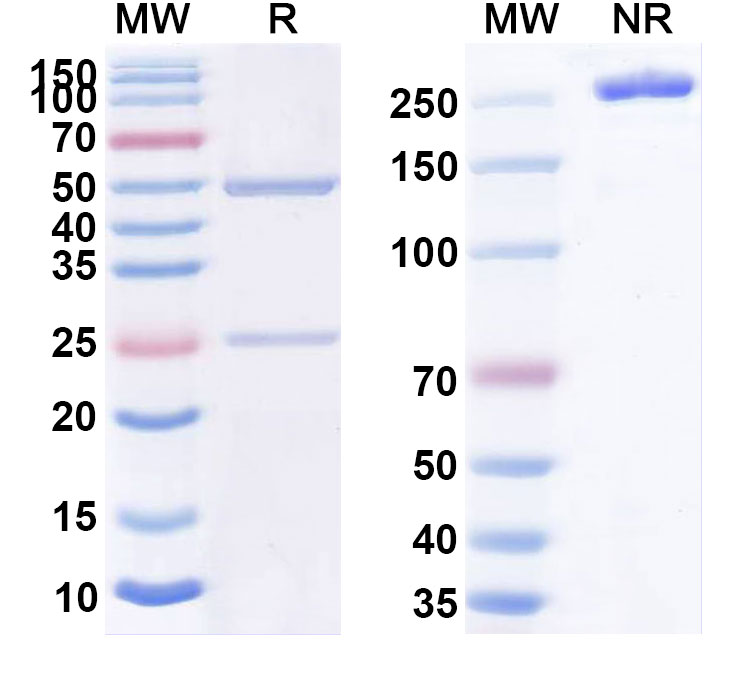
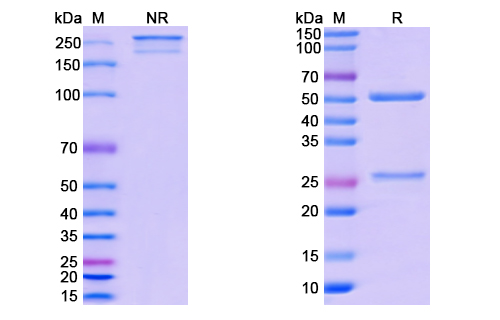
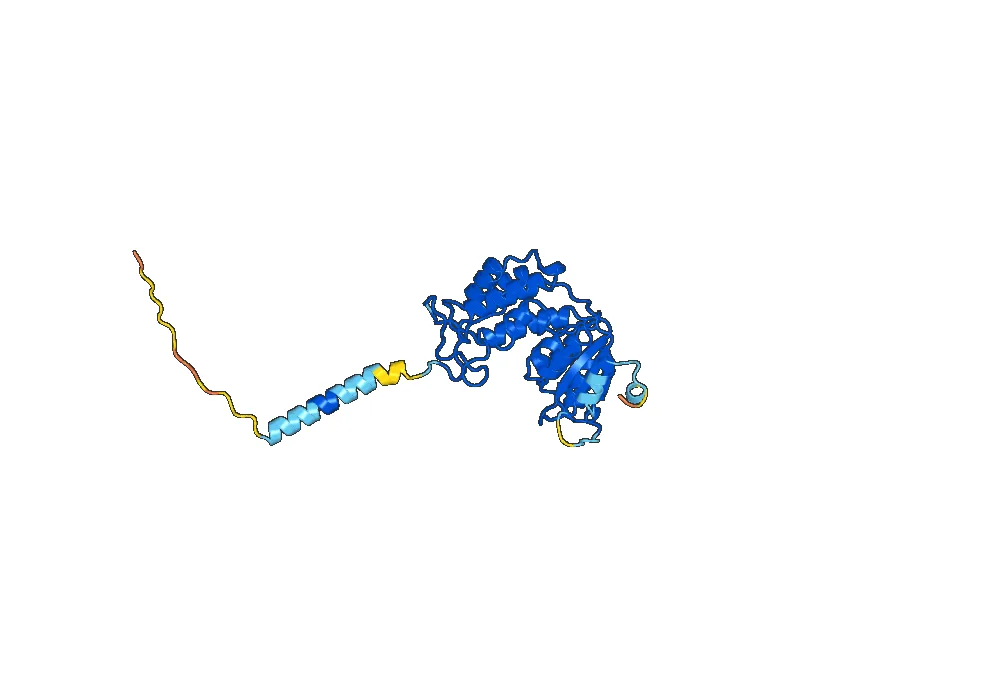
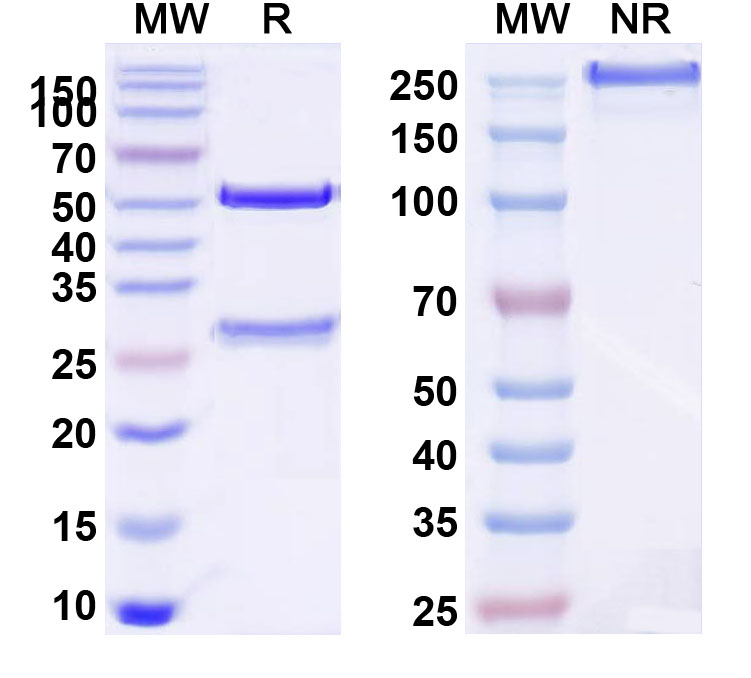
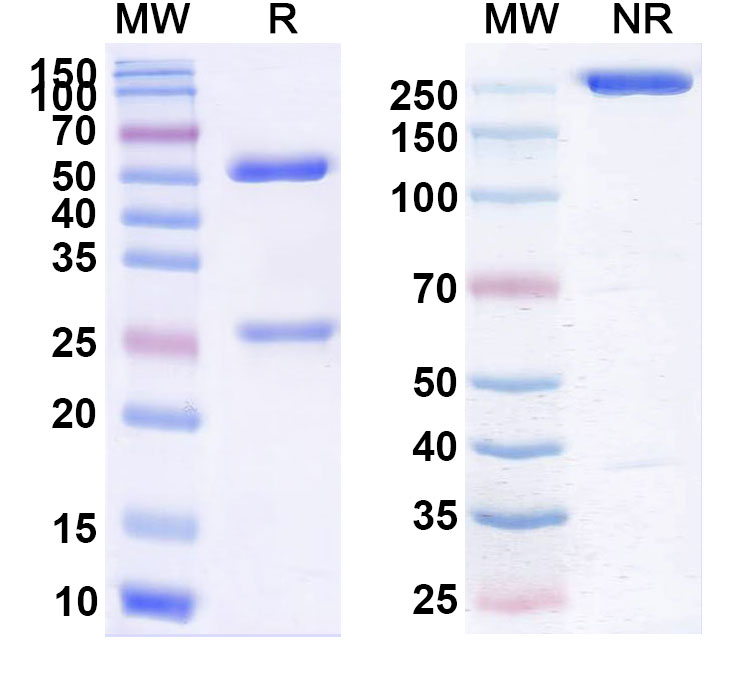
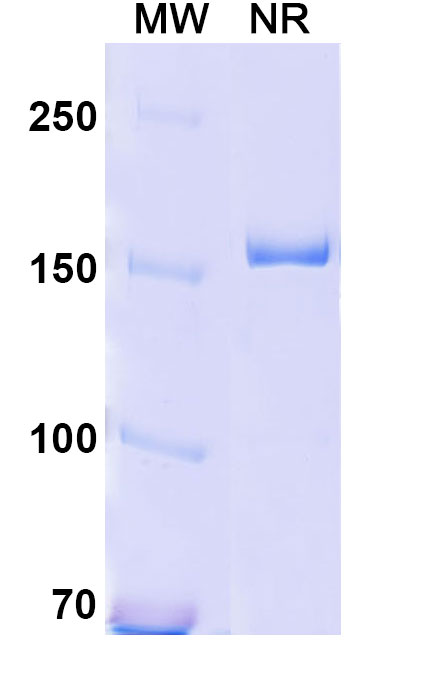
MOR202 Biosimilar is a fully human IgG1 monoclonal antibody, meaning that it is derived from human cells and belongs to the immunoglobulin G1 subclass. It is composed of two heavy chains and two light chains, each with a unique amino acid sequence that determines its specific binding properties. The antibody also contains a variable region, which is responsible for binding to the target protein CD38, and a constant region, which is responsible for effector functions such as antibody-dependent cellular cytotoxicity (ADCC) and complement-dependent cytotoxicity (CDC).
Activity of MOR202 Biosimilar
MOR202 Biosimilar works by binding to CD38, a protein that is highly expressed on the surface of multiple myeloma cells. This binding blocks the function of CD38, which is involved in cell signaling and survival pathways, leading to the death of the cancer cells. Additionally, MOR202 Biosimilar can also activate the immune system to target and destroy the cancer cells through ADCC and CDC mechanisms.
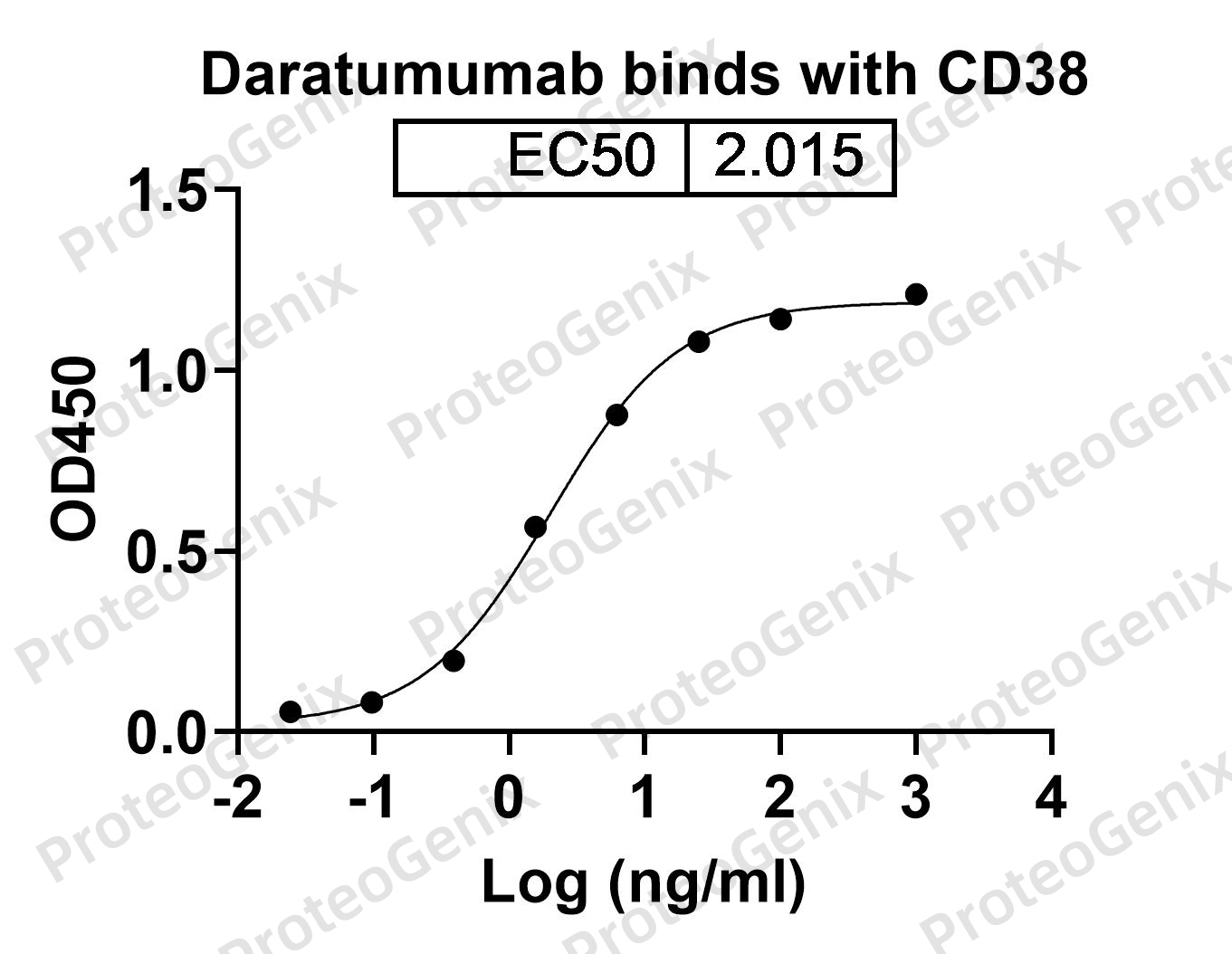
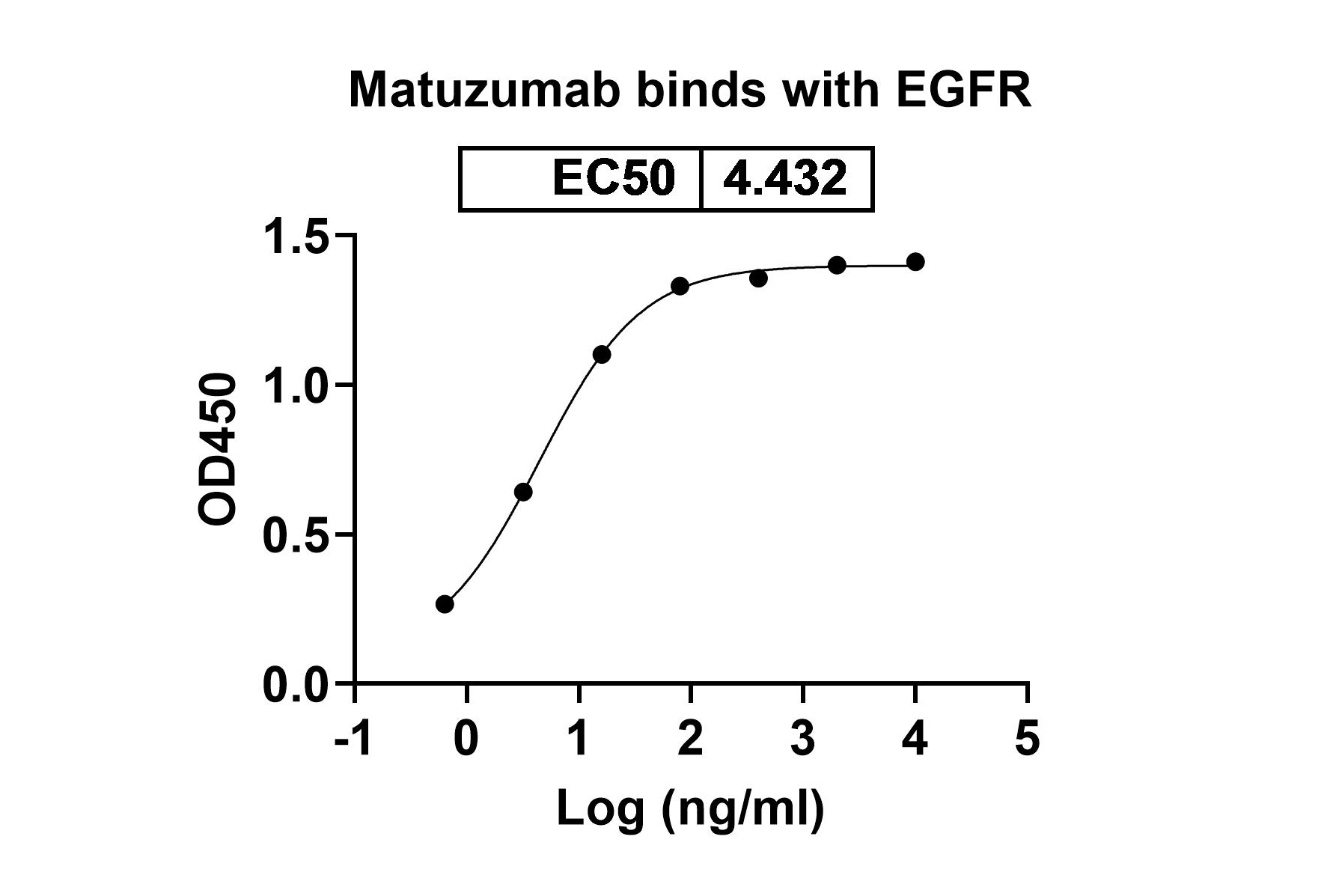
Studies have shown that MOR202 Biosimilar has a high affinity for CD38, with a dissociation constant (KD) in the nanomolar range. This high affinity allows for specific and potent targeting of CD38-expressing cells, while minimizing off-target effects.
Potential Applications of MOR202 Biosimilar
The main application of MOR202 Biosimilar is in the treatment of multiple myeloma. Preclinical studies have demonstrated its efficacy in inhibiting tumor growth and prolonging survival in multiple myeloma models. In addition, MOR202 Biosimilar has also shown promising results in combination with other anti- cancer therapies, such as proteasome inhibitors and immunomodulatory drugs.
Furthermore, MOR202 Biosimilar has also been investigated for its potential in other CD38-expressing cancers, such as chronic lymphocytic leukemia and acute lymphoblastic leukemia. Early clinical trials have shown promising results in these indications, with manageable side effects.
Conclusion
In summary, MOR202 Biosimilar is a promising anti-CD38 monoclonal antibody with a well-defined structure and potent activity against multiple myeloma and other CD38-expressing cancers. Its potential as a therapeutic agent in combination with other anti- cancer treatments makes it a valuable candidate for further research and development. With ongoing clinical trials, we look forward to the potential of MOR202 Biosimilar in improving the treatment outcomes for patients with CD38-expressing cancers.

There are no reviews yet.