The Structure of Apolizumab Biosimilar – Anti-HLA-DRB mAb
Apolizumab Biosimilar – Anti-HLA-DRB mAb is a monoclonal antibody (mAb) that is designed to target the HLA-DRB protein. It is a biosimilar of the original Apolizumab, which was developed as a treatment for autoimmune diseases such as rheumatoid arthritis and multiple sclerosis. The biosimilar version is produced using recombinant DNA technology, making it highly specific and reproducible.
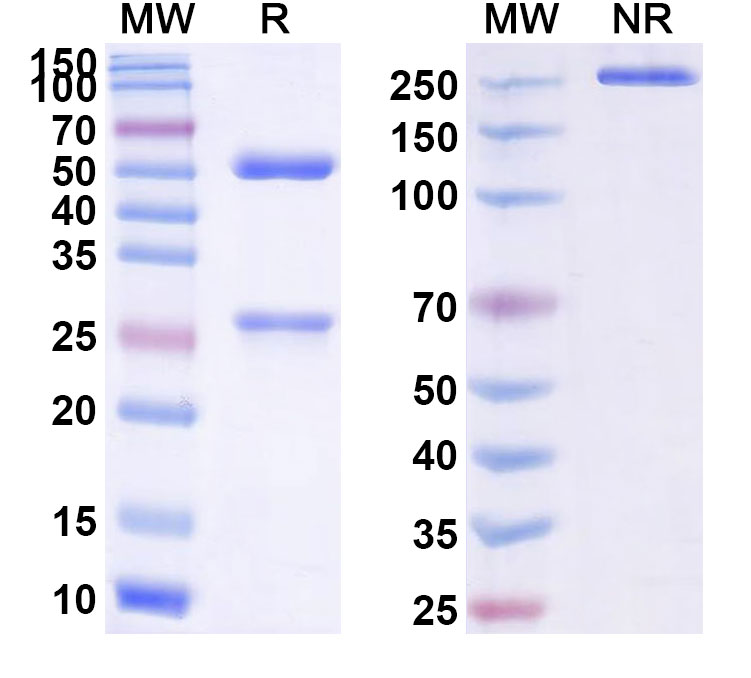
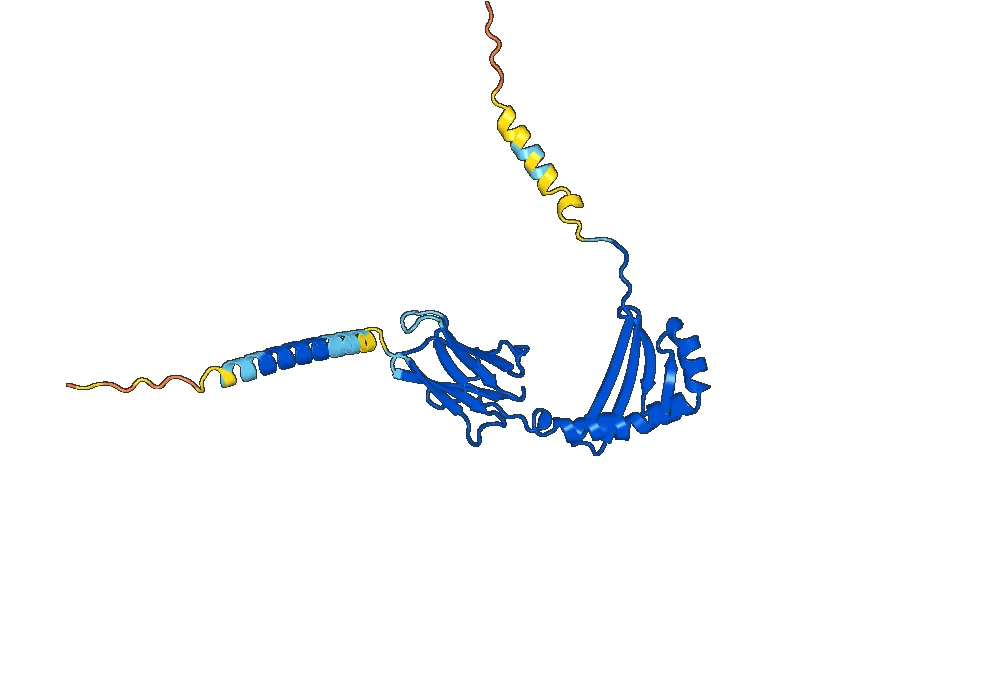
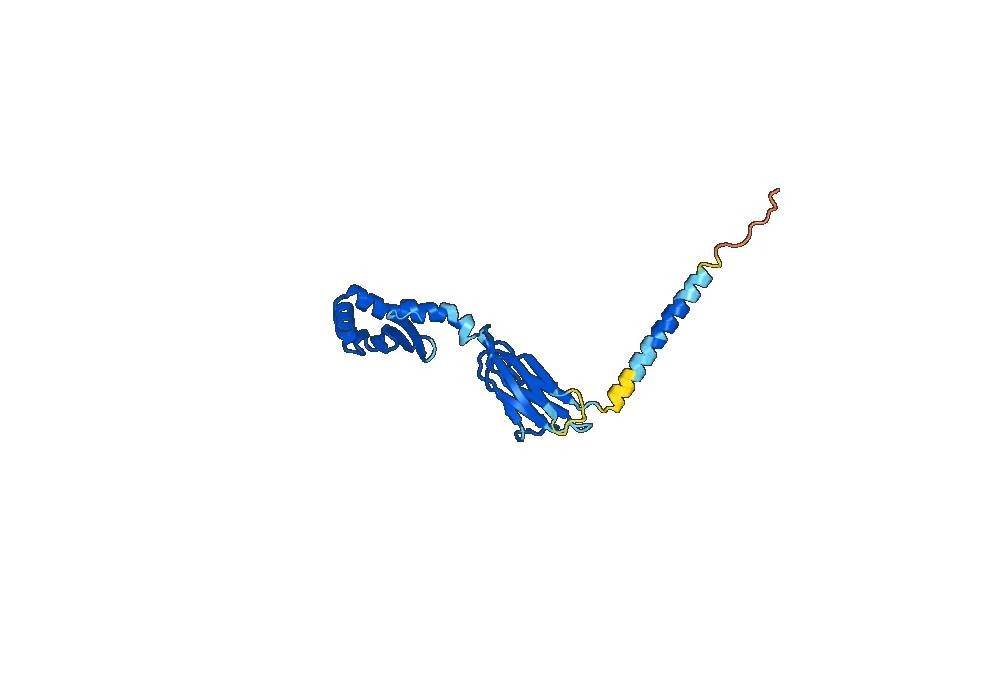
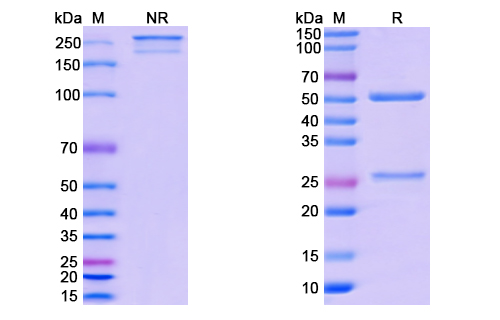
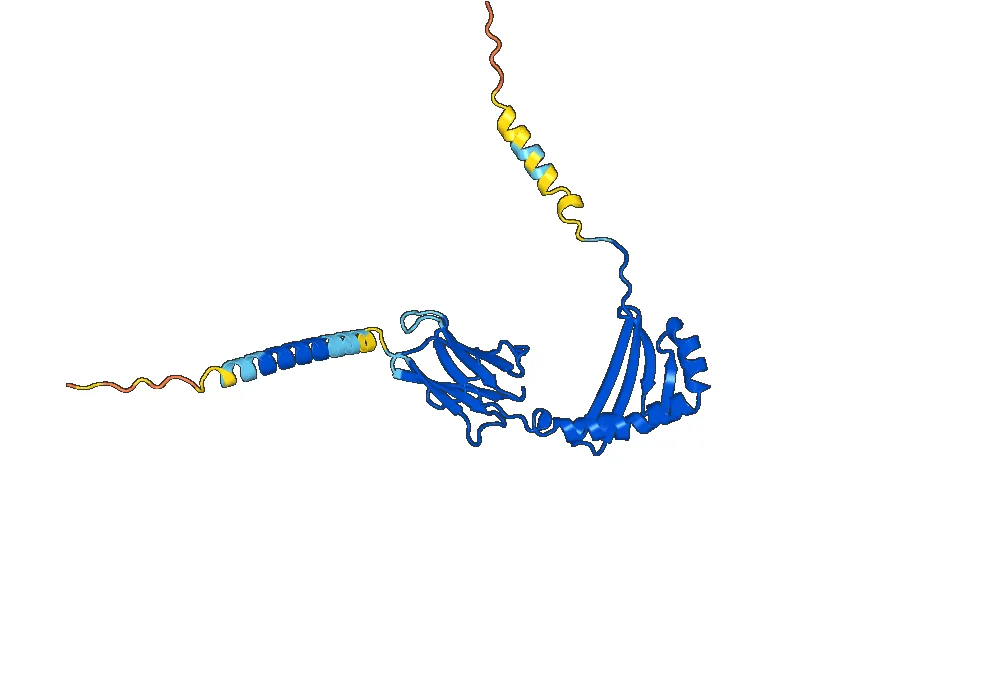
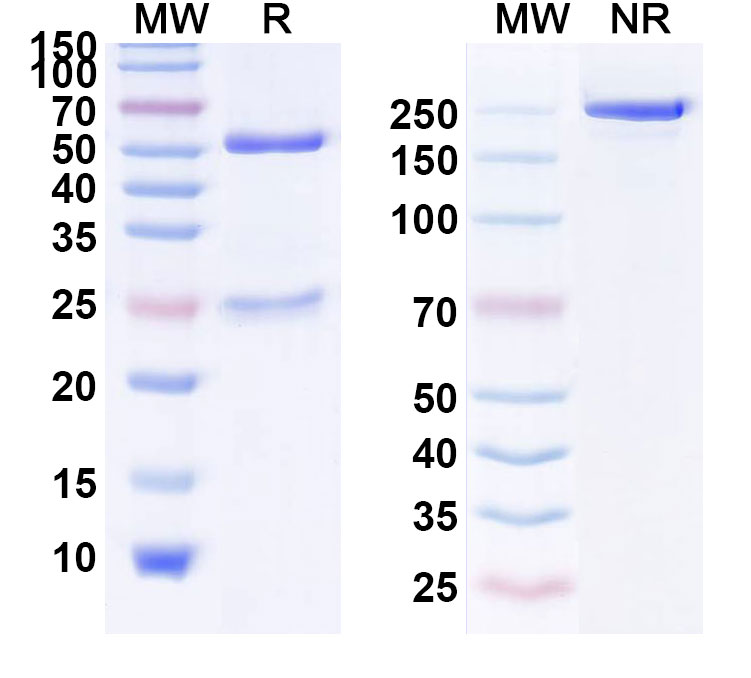
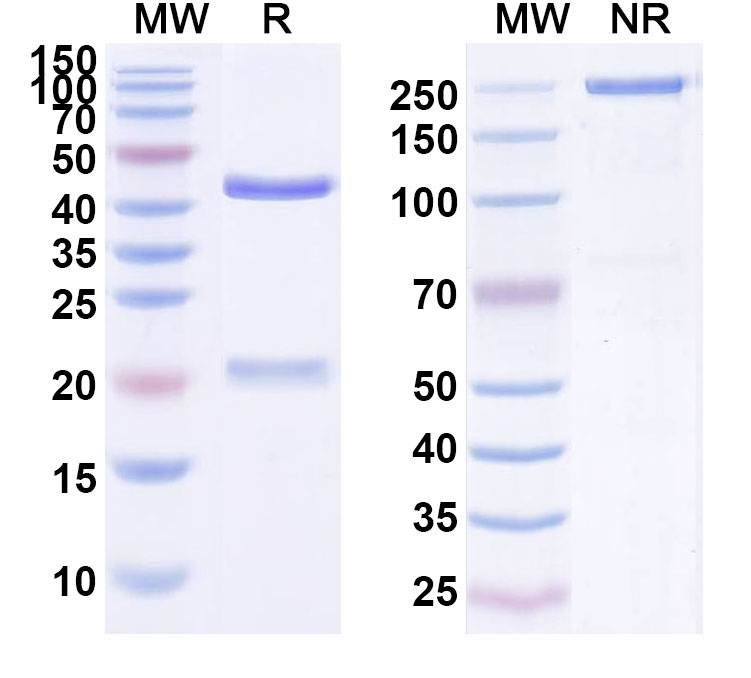
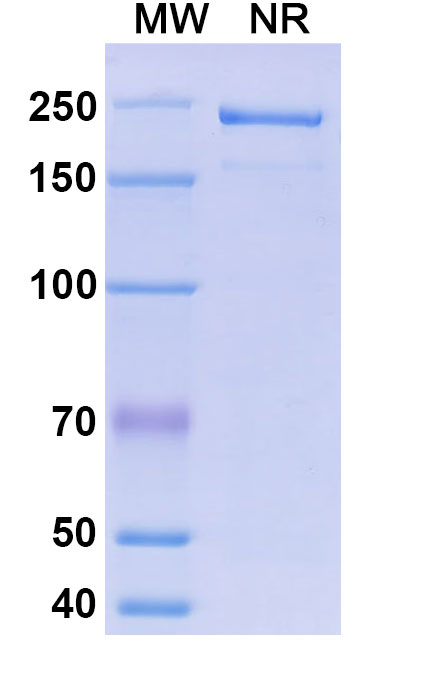
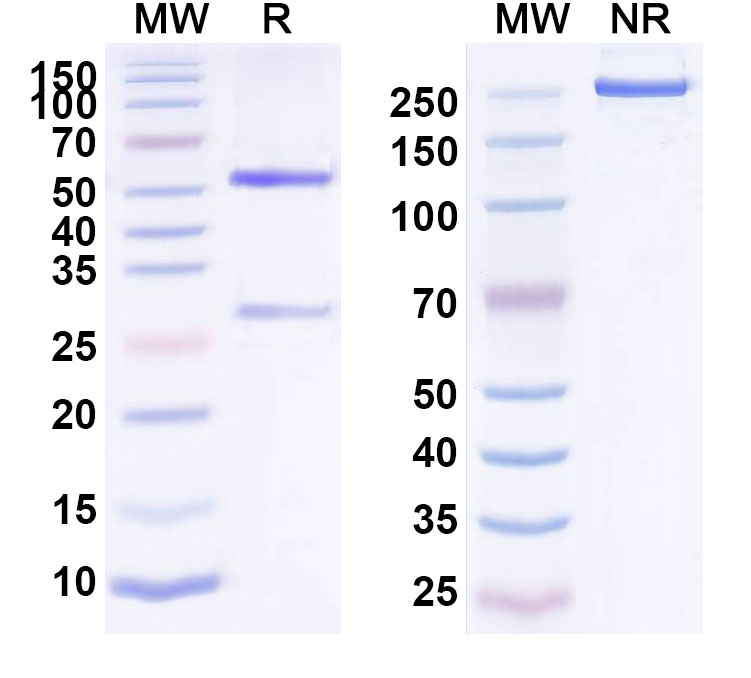
The mAb is composed of two identical heavy chains and two identical light chains, held together by disulfide bonds. The heavy chains consist of four constant regions (Fc) and one variable region (VH), while the light chains have two constant regions (CL) and one variable region (VL). The variable regions are responsible for the specificity of the mAb, as they bind to the target protein.
The Activity of Apolizumab Biosimilar – Anti-HLA-DRB mAb
As a biosimilar of Apolizumab, the Anti-HLA-DRB mAb has a similar mechanism of action. It binds to the HLA-DRB protein, which is found on the surface of immune cells, and blocks its activity. This protein is involved in the activation of T cells, which play a crucial role in autoimmune diseases. By targeting and inhibiting HLA-DRB, Apolizumab Biosimilar prevents the activation of T cells, reducing inflammation and tissue damage.
In addition, Apolizumab Biosimilar also has an immunomodulatory effect. It can stimulate regulatory T cells, which help to control the immune response and prevent the development of autoimmune diseases. This dual mechanism of action makes Apolizumab Biosimilar a promising treatment option for a wide range of autoimmune diseases.
The Application of Apolizumab Biosimilar – Anti-HLA-DRB mAb
Apolizumab Biosimilar – Anti-HLA-DRB mAb is currently being developed as a research grade product for use in preclinical studies. It is intended for use in in vitro and in vivo experiments to investigate the role of HLA-DRB in autoimmune diseases and to evaluate the efficacy of Apolizumab Biosimilar as a potential treatment.
In addition to its research applications, Apolizumab Biosimilar has the potential to be developed as a therapeutic agent. As a biosimilar of Apolizumab, it has already undergone extensive preclinical and clinical studies, demonstrating its safety and efficacy. If approved, it could provide a more affordable treatment option for patients with autoimmune diseases, as biosimilars are typically priced lower than the original biologic drug.
Conclusion
Apolizumab Biosimilar – Anti-HLA-DRB mAb is a promising research grade product that has the potential to be developed as a therapeutic agent for autoimmune diseases. Its specific structure and dual mechanism of action make it a highly targeted and effective treatment option. As research in this field continues, Apolizumab Biosimilar could play a significant role in improving the lives of patients with autoimmune diseases.
There are no reviews yet.