Introduction
Rolistobart Biosimilar – Anti-CD85 antigen-like family member K mAb – Research Grade is a monoclonal antibody that has been developed as a biosimilar to treat various diseases. This antibody specifically targets the CD85 antigen-like family member K (CD85K), which is a protein that plays a crucial role in regulating the immune system. In this article, we will discuss the structure, activity, and potential applications of this biosimilar in the field of medicine.
Structure of Rolistobart Biosimilar
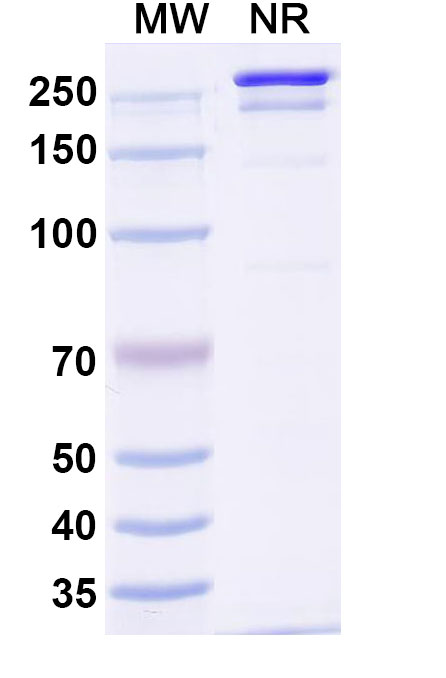
Rolistobart Biosimilar is a monoclonal antibody, which means it is derived from a single type of immune cell. It is a recombinant antibody, meaning it is produced using genetic engineering techniques. This biosimilar has a similar structure to the reference product, which is the original antibody it is based on. The structure of Rolistobart Biosimilar includes two heavy chains and two light chains, which are connected by disulfide bonds. These chains are made up of amino acids and are responsible for the antibody’s binding specificity and function.
Activity of Rolistobart Biosimilar
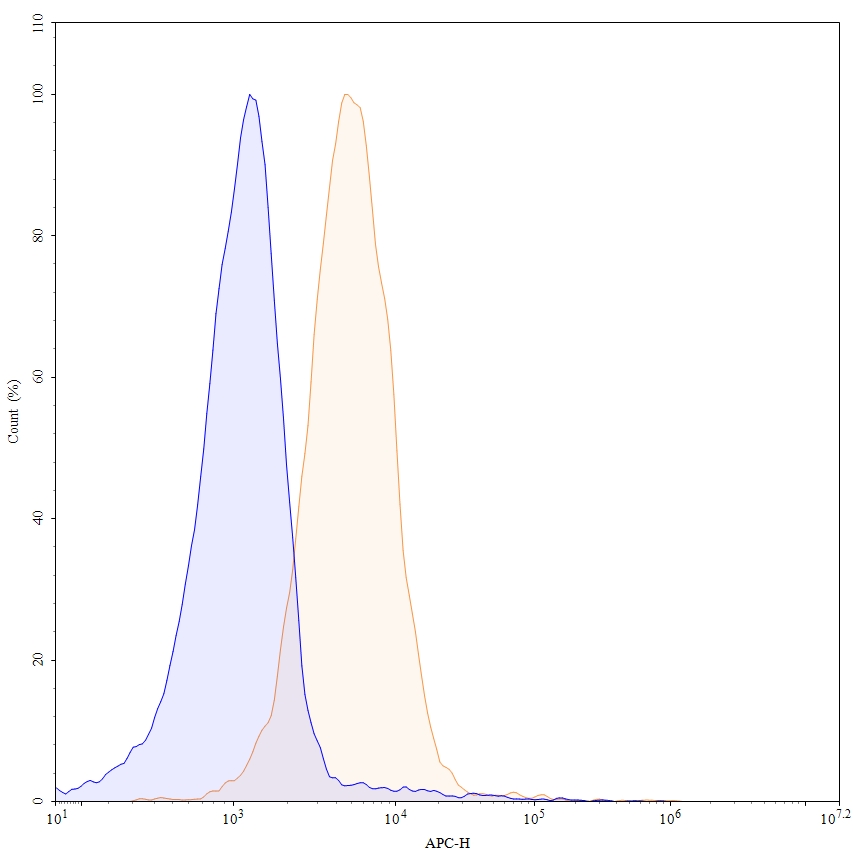
The main activity of Rolistobart Biosimilar is its ability to bind to the CD85K protein. This protein is found on the surface of various immune cells, including natural killer (NK) cells, T cells, and B cells. By binding to CD85K, the biosimilar can modulate the immune response and potentially treat diseases where the immune system is overactive or underactive.
In addition to its binding activity, Rolistobart Biosimilar also has a mechanism of action known as antibody-dependent cell-mediated cytotoxicity (ADCC). This means that the antibody can activate immune cells, such as NK cells, to attack and destroy target cells that express the CD85K protein. This activity is particularly relevant in the treatment of cancer, where the antibody can help the immune system to recognize and eliminate cancer cells.
Potential Applications of Rolistobart Biosimilar
Rolistobart Biosimilar has potential applications in various fields of medicine, including oncology, immunology, and infectious diseases. In oncology, the biosimilar can be used to treat various types of cancer that overexpress CD85K, such as lymphoma, leukemia, and solid tumors. By targeting CD85K, the antibody can help to inhibit the growth and spread of cancer cells and potentially improve patient outcomes.
In the field of immunology, Rolistobart Biosimilar can be used to treat autoimmune diseases, where the immune system mistakenly attacks healthy cells and tissues. By targeting CD85K, the biosimilar can help to regulate the immune response and reduce inflammation, which is a hallmark of autoimmune diseases.
Furthermore, Rolistobart Biosimilar can also be used in infectious diseases, particularly those caused by viruses. This is because CD85K has been shown to play a role in viral infections, and by targeting this protein, the biosimilar can potentially prevent viral replication and spread.
Conclusion
In summary, Rolistobart Biosimilar – Anti-CD85 antigen-like family member K mAb – Research Grade is a monoclonal antibody that specifically targets the CD85K protein. Its structure, activity, and potential applications make it a promising biosimilar in the field of medicine. With further research and development, this biosimilar has the potential to improve patient outcomes and provide a more cost-effective treatment option for various diseases.

There are no reviews yet.