Introduction
Modakafusp Biosimilar is a research grade anti-ADPRC monoclonal antibody (mAb) that has shown promising results in pre-clinical studies. This biosimilar is designed to target and inhibit the activity of ADPRC, a protein that plays a crucial role in the progression of various diseases. In this article, we will explore the structure, activity, and potential applications of Modakafusp Biosimilar as a therapeutic antibody.
Structure of Modakafusp Biosimilar
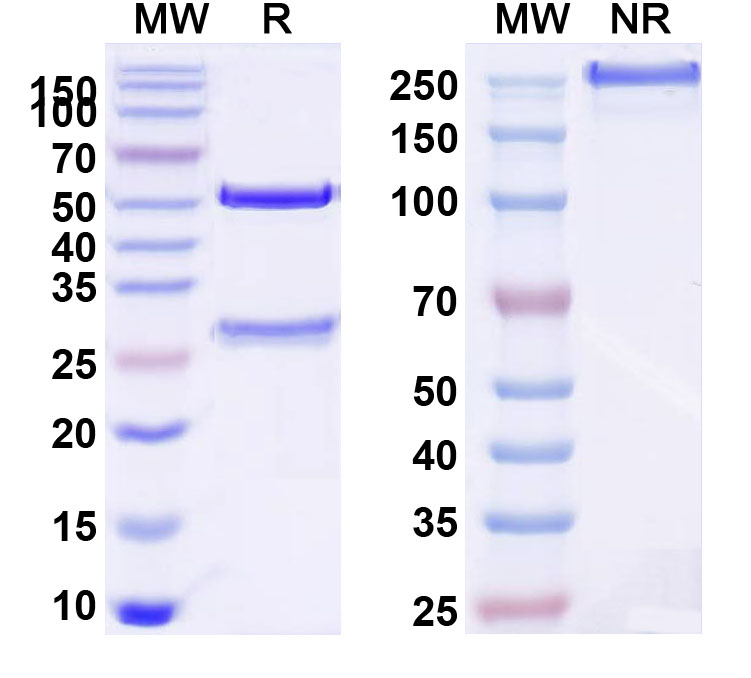
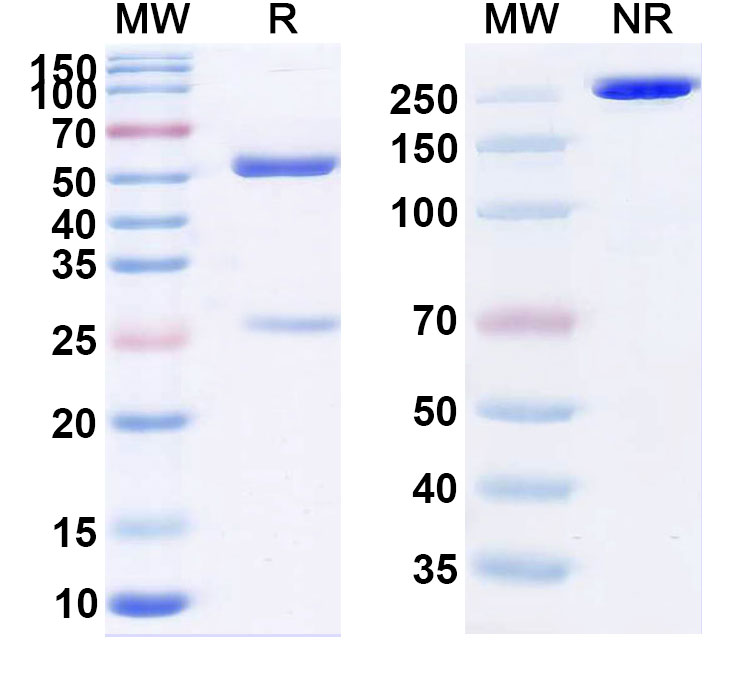
Modakafusp Biosimilar is a recombinant humanized monoclonal antibody that is produced using advanced biotechnology techniques. It is a chimeric antibody, meaning it contains both human and non-human components. The antibody consists of two heavy chains and two light chains, each with a specific amino acid sequence that determines its binding specificity.
The heavy chains of Modakafusp Biosimilar are derived from a non-human source, while the light chains are humanized to reduce the risk of immune reactions in patients. The antibody also contains a constant region, which is responsible for its effector functions, and a variable region, which determines its specificity for the target protein ADPRC.
Activity of Modakafusp Biosimilar
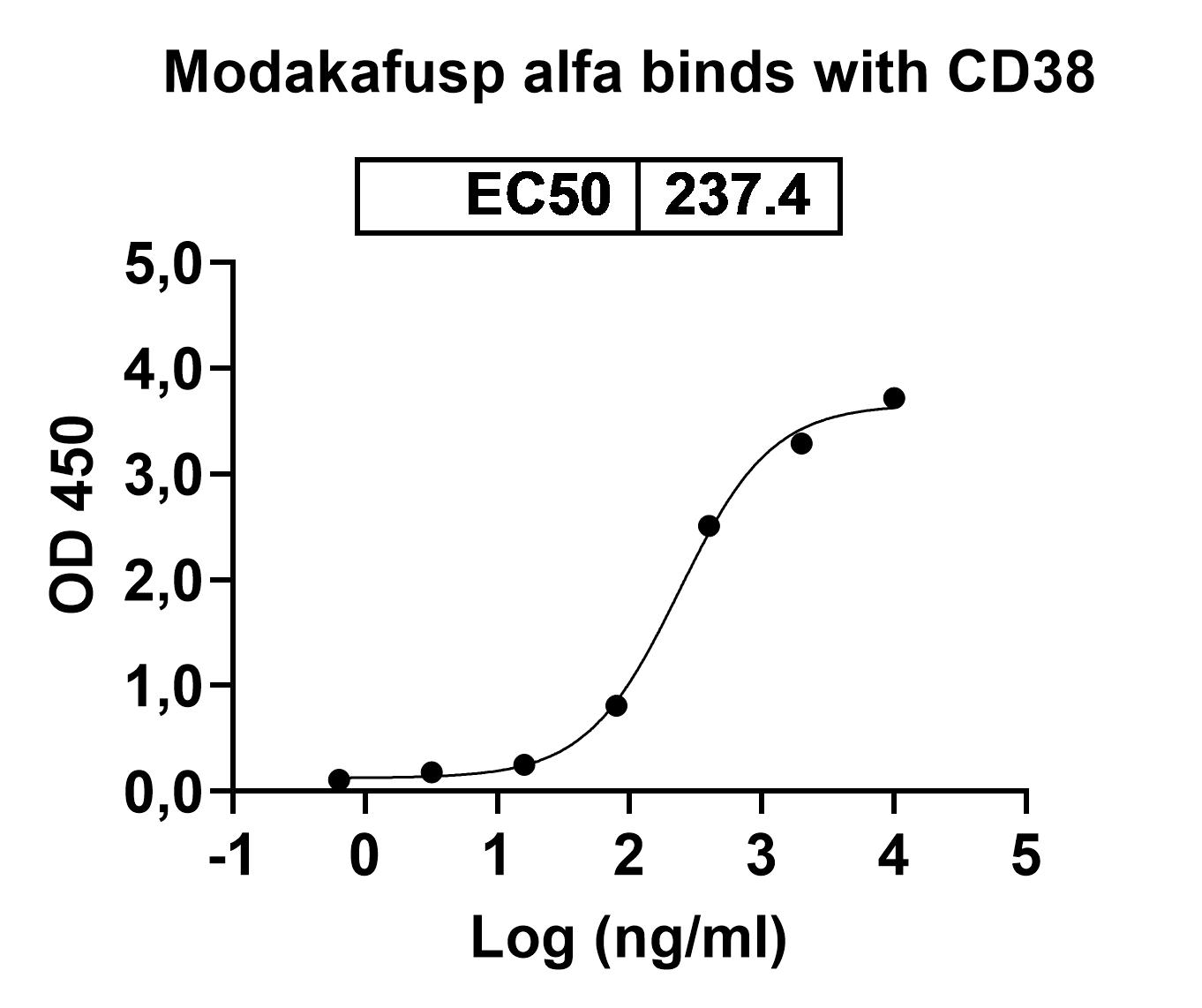
Modakafusp Biosimilar works by binding to ADPRC with high affinity, preventing it from carrying out its normal functions. ADPRC is a protein that is overexpressed in various diseases, including cancer, autoimmune disorders, and inflammatory conditions. It plays a role in promoting cell growth, survival, and metastasis, making it an attractive therapeutic target.
By targeting ADPRC, Modakafusp Biosimilar inhibits its activity and disrupts the signaling pathways that promote disease progression. This can lead to a reduction in tumor growth, suppression of the immune response in autoimmune disorders, and a decrease in inflammation in inflammatory conditions.
Potential Applications of Modakafusp Biosimilar
Modakafusp Biosimilar has shown great potential as a therapeutic antibody in pre-clinical studies. Its ability to target ADPRC makes it a promising candidate for the treatment of various diseases. Some potential applications of Modakafusp Biosimilar include:
Cancer Treatment ADPRC is overexpressed in many types of cancer, including breast, lung, and colon cancer. By targeting this protein, Modakafusp Biosimilar has the potential to inhibit tumor growth and metastasis. It may also sensitize cancer cells to other treatments, such as chemotherapy and radiation therapy, making it a valuable addition to standard cancer treatments.
Autoimmune Disorders
In autoimmune disorders, the immune system mistakenly attacks healthy cells and tissues. ADPRC has been found to play a role in promoting this immune response. By blocking ADPRC, Modakafusp Biosimilar may help to suppress the overactive immune response and reduce the symptoms of autoimmune disorders.
Inflammatory Conditions
ADPRC has also been implicated in promoting inflammation in various diseases, such as rheumatoid arthritis and inflammatory bowel disease. By inhibiting ADPRC, Modakafusp Biosimilar may help to reduce inflammation and provide relief for patients suffering from these conditions.
Conclusion
Modakafusp Biosimilar is a promising research grade anti-ADPRC monoclonal antibody that has the potential to be used as a therapeutic antibody in various diseases. Its unique structure and activity make it a valuable tool in the fight against cancer, autoimmune disorders, and inflammatory conditions. Further clinical trials will be needed to determine its safety and efficacy in humans, but the pre-clinical data is very promising.
Keywords: Modakafusp Biosimilar, anti-ADPRC mAb, therapeutic target, antibody, cancer, autoimmune disorders, inflammatory conditions.

There are no reviews yet.