Nivatrotamab Biosimilar – Anti-GD2,CD3E mAb – Research Grade
Nivatrotamab Biosimilar – Anti-GD2,CD3E mAb – Research Grade: A Promising Antibody for
Cancer Therapy Introduction
Nivatrotamab Biosimilar, also known as Anti-GD2,CD3E mAb, is a monoclonal antibody that has shown great potential in cancer therapy. It is a research grade biosimilar of the FDA-approved antibody, Dinutuximab, which is used for the treatment of high-risk neuroblastoma. Nivatrotamab Biosimilar targets the same therapeutic target as Dinutuximab, but with improved structure and activity, making it a promising candidate for cancer treatment.
Structure of Nivatrotamab Biosimilar
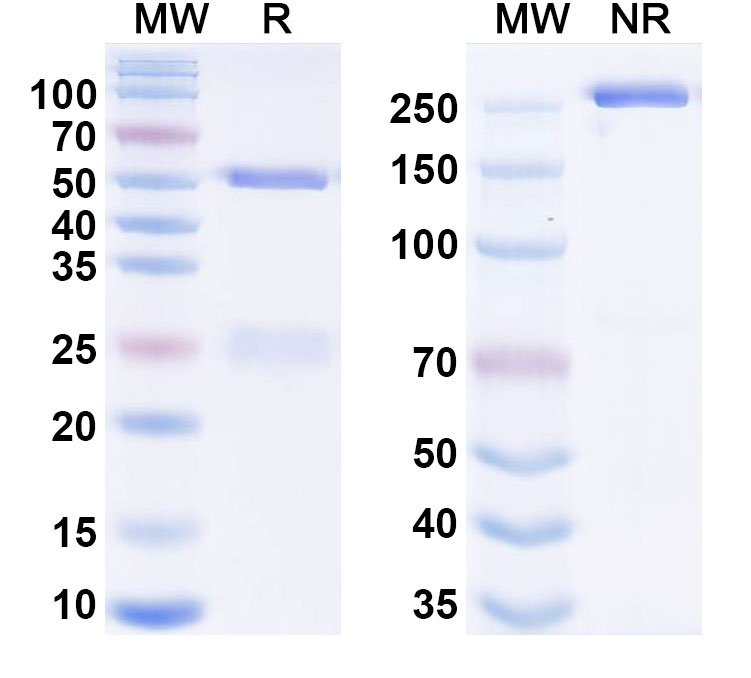
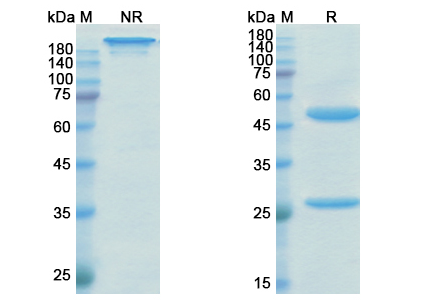
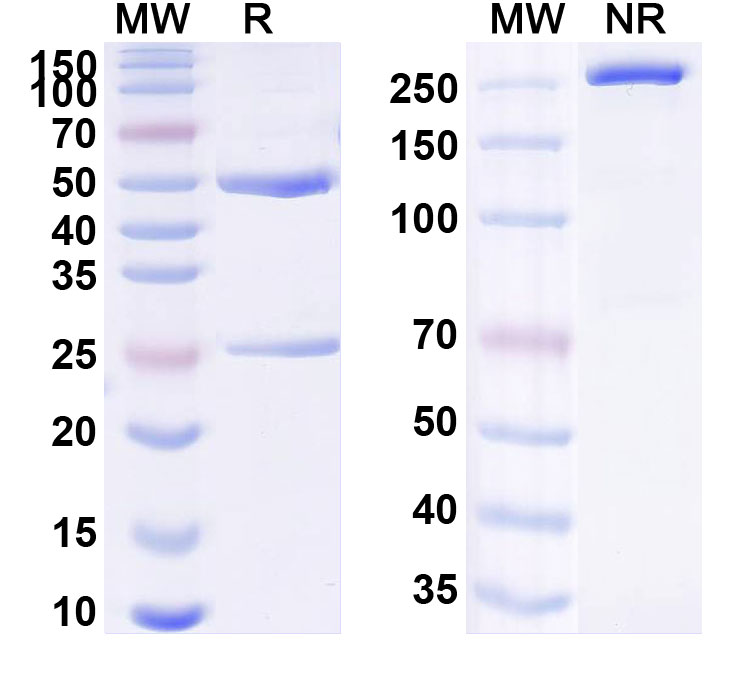
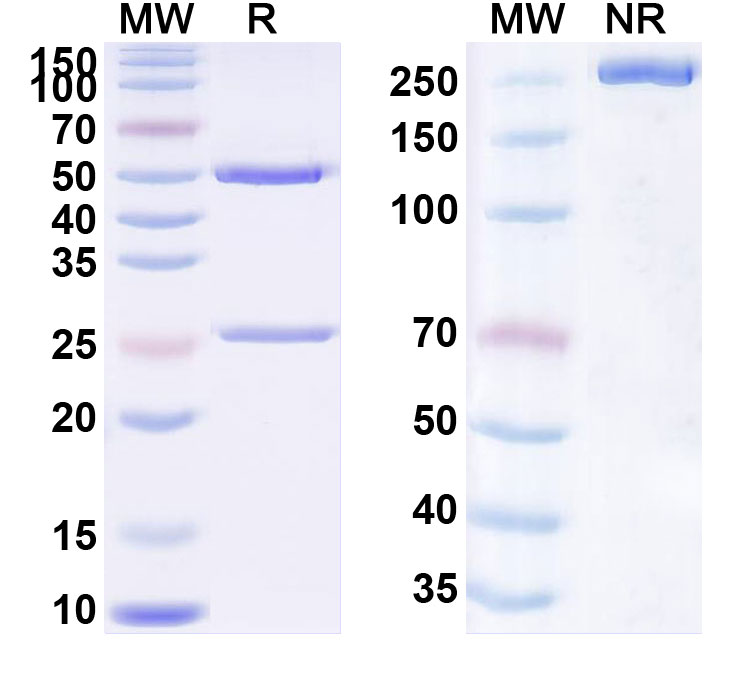
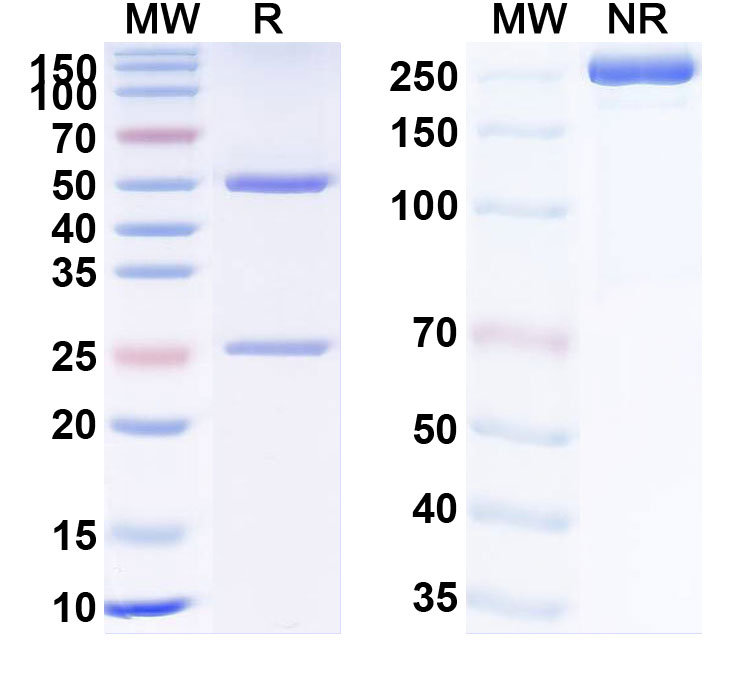
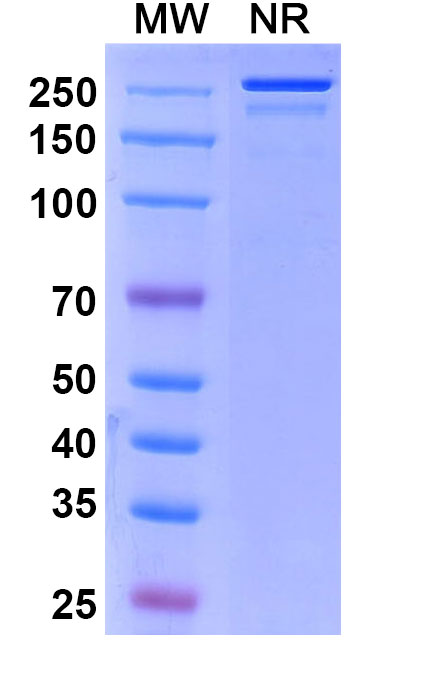
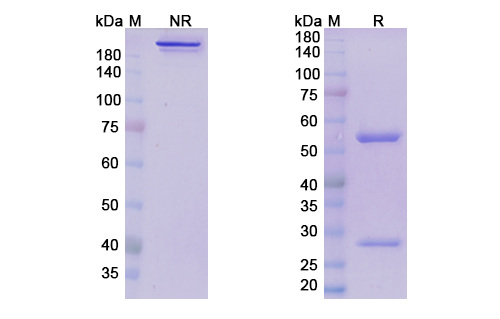
Nivatrotamab Biosimilar is a chimeric antibody, meaning it is composed of both human and mouse components. It is made up of two heavy chains and two light chains, with a total molecular weight of approximately 150 kDa. The antibody has a Y-shaped structure, with the two heavy chains forming the arms of the Y and the two light chains forming the stem. The variable regions of the antibody are responsible for binding to the target, while the constant regions play a role in effector functions.
Activity of Nivatrotamab Biosimilar
Nivatrotamab Biosimilar specifically targets the GD2 antigen, which is highly expressed on the surface of neuroblastoma cells. The antibody binds to GD2 with high affinity, leading to the activation of immune cells such as natural killer (NK) cells and T cells. This binding also triggers the release of cytotoxic molecules, such as perforin and granzymes, which induce cell death in the cancer cells. Additionally, Nivatrotamab Biosimilar has been engineered to have a longer half-life and increased stability, allowing for sustained activity and improved efficacy.
Application of Nivatrotamab Biosimilar
Nivatrotamab Biosimilar is currently being studied for its potential use in the treatment of high-risk neuroblastoma, a type of cancer that mainly affects children. It is being evaluated in clinical trials as a single agent and in combination with other therapies, such as chemotherapy and radiation. The aim of these trials is to determine the safety, efficacy, and optimal dosing of Nivatrotamab Biosimilar in neuroblastoma patients. If successful, this antibody could potentially become a new treatment option for children with high-risk neuroblastoma.
Conclusion
Nivatrotamab Biosimilar is a promising antibody for cancer therapy, specifically in the treatment of high-risk neuroblastoma. Its improved structure and activity make it a more effective and stable version of the FDA-approved antibody, Dinutuximab. With ongoing clinical trials, we hope to see Nivatrotamab Biosimilar become a valuable addition to the arsenal of cancer treatments, providing hope for children and their families.
Keywords
Antibody, therapeutic target, Nivatrotamab Biosimilar, Anti-GD2, CD3E mAb, research grade, cancer therapy, neuroblastoma, chimeric antibody, GD2 antigen, NK cells, T cells, cytotoxic molecules, clinical trials.

There are no reviews yet.