Introduction to Recombinant Human SLCO1B1/LST-1/OATP-2
Recombinant Human SLCO1B1/LST-1/OATP-2 is a protein that belongs to the organic anion transporting polypeptide (OATP) family. It is encoded by the SLCO1B1 gene and is also known as liver-specific transporter 1 (LST-1). This protein is primarily found in the liver, where it plays a crucial role in the uptake of various endogenous and exogenous compounds, including hormones, drugs, and toxins. Recombinant Human SLCO1B1/LST-1/OATP-2 is widely used in research and pharmaceutical industries for its ability to transport a wide range of substrates, making it an essential tool in drug discovery and development.
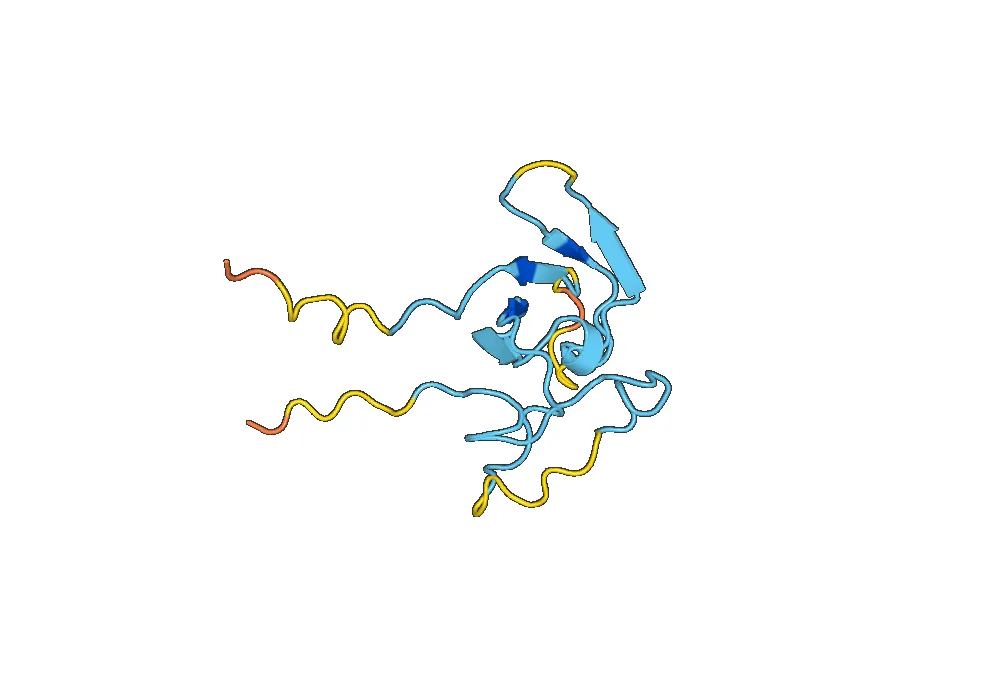
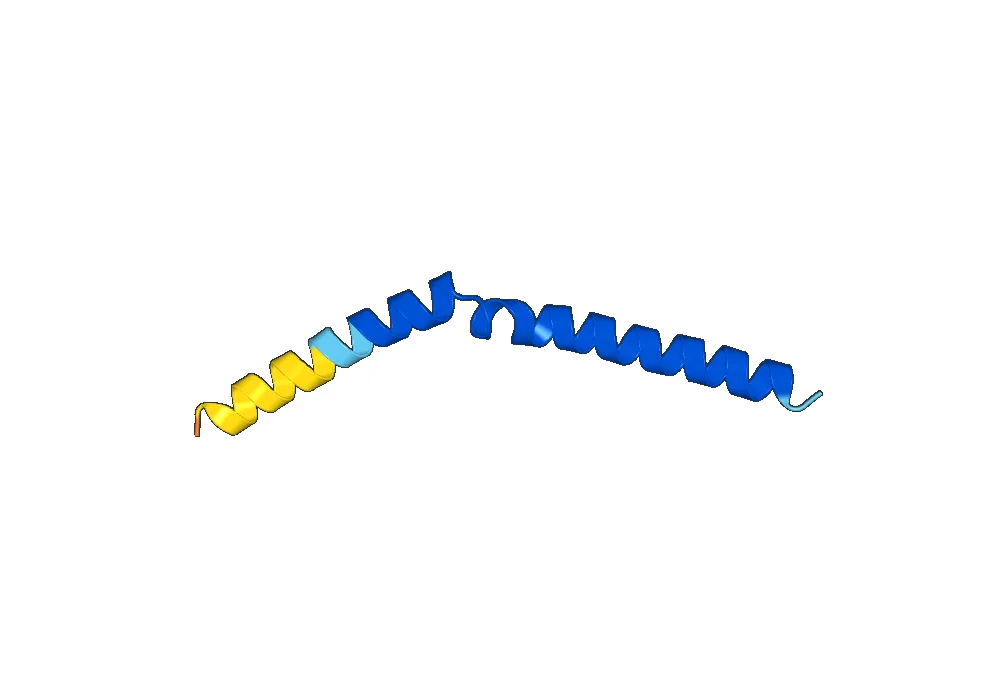
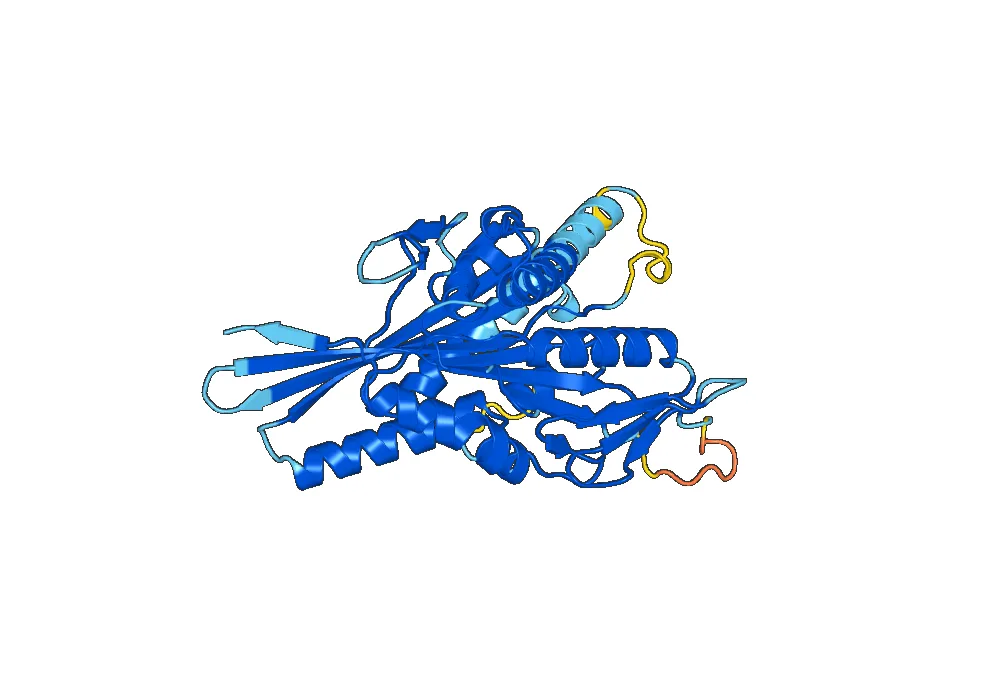
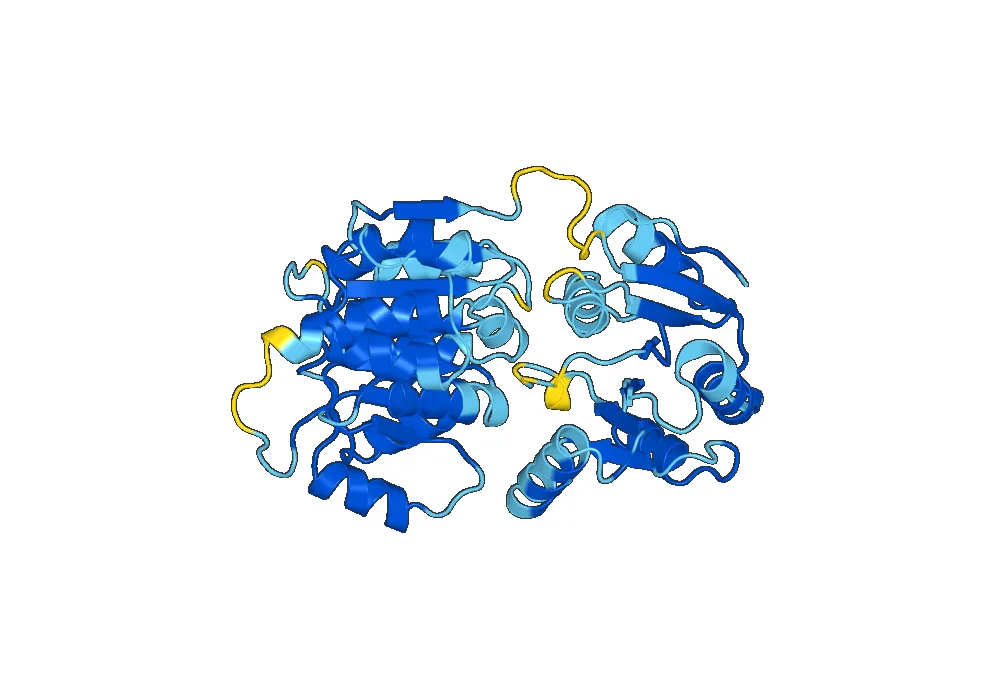
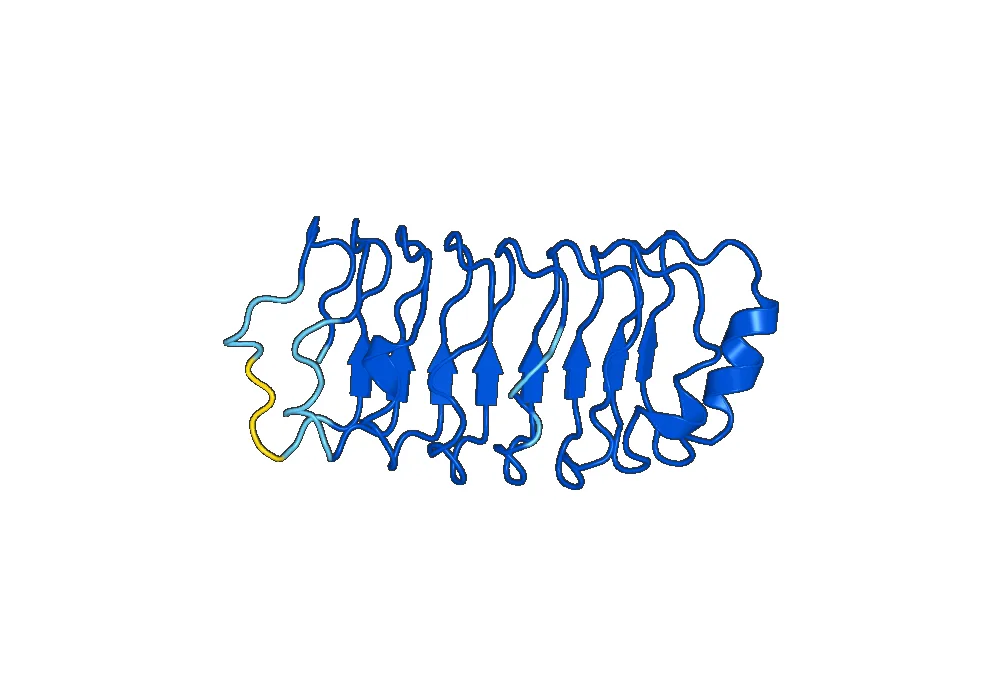
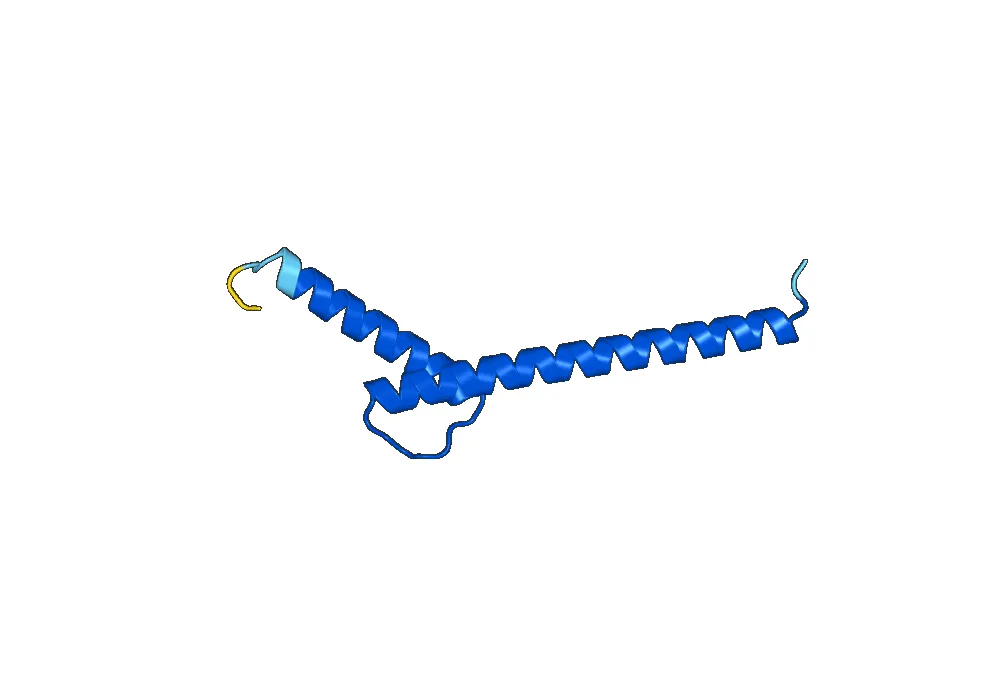
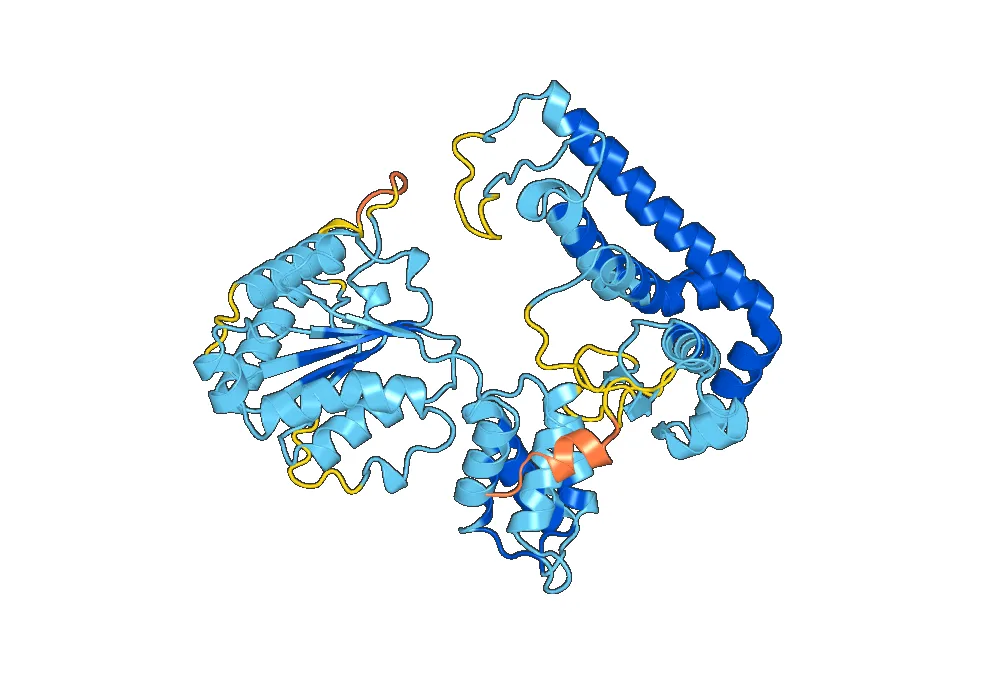
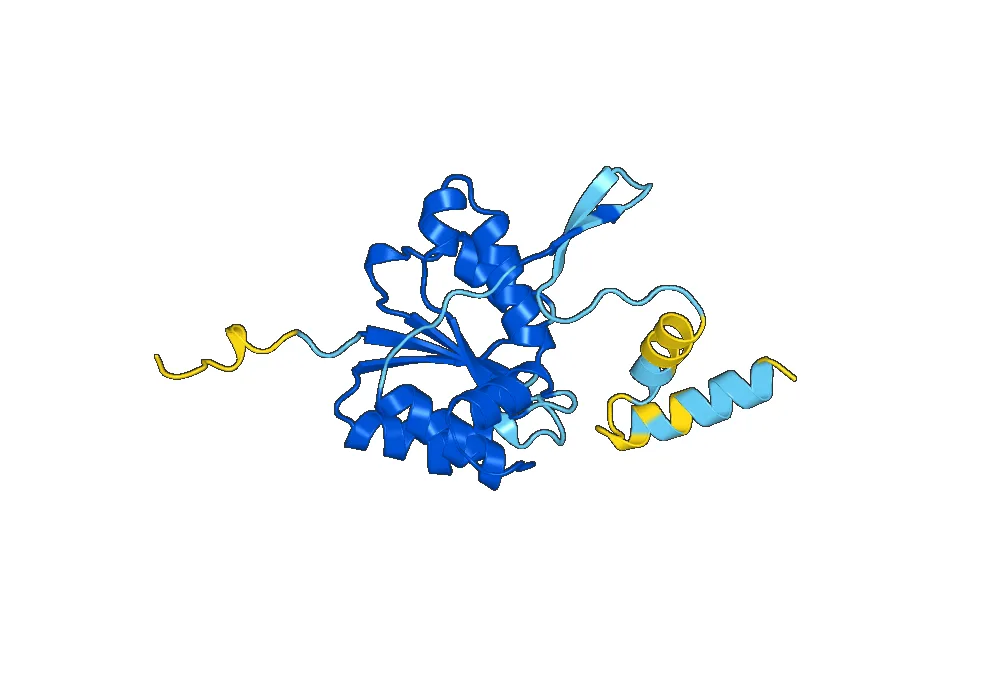
Structure of Recombinant Human SLCO1B1/LST-1/OATP-2
The SLCO1B1 gene is located on chromosome 12 and encodes a protein of 691 amino acids. Recombinant Human SLCO1B1/LST-1/OATP-2 has a molecular weight of approximately 77 kDa. It consists of 12 transmembrane domains, with both the N- and C-termini facing the cytoplasm. The transmembrane domains are connected by intracellular and extracellular loops, which are essential for substrate binding and transport. The protein also contains several glycosylation sites, which are crucial for its stability and proper functioning.
Activity of Recombinant Human SLCO1B1/LST-1/OATP-2
Recombinant Human SLCO1B1/LST-1/OATP-2 is a membrane-bound protein that acts as a transporter for a wide range of substrates, including bile acids, bilirubin, hormones, and drugs. It functions by actively transporting these compounds from the blood into the liver cells, where they can be further metabolized or excreted. This process is essential for maintaining the body’s homeostasis and protecting the liver from toxic substances.
The activity of Recombinant Human SLCO1B1/LST-1/OATP-2 is regulated by various factors, including genetic variations, drug-drug interactions, and disease states. Mutations in the SLCO1B1 gene can lead to altered transport activity, resulting in adverse drug reactions and increased risk of liver damage. Drug interactions can also affect the protein’s activity by either inhibiting or inducing its function, leading to changes in drug efficacy and toxicity. Additionally, certain diseases, such as liver cirrhosis, can also affect the expression and activity of Recombinant Human SLCO1B1/LST-1/OATP-2, further highlighting its importance in liver function and drug metabolism.
Applications of Recombinant Human SLCO1B1/LST-1/OATP-2
Recombinant Human SLCO1B1/LST-1/OATP-2 has numerous applications in both research and pharmaceutical industries. Its ability to transport a wide range of substrates makes it an important tool in drug discovery and development. It is commonly used in in vitro studies to assess drug uptake and metabolism in liver cells. This protein is also crucial in predicting drug-drug interactions and assessing the potential for drug-induced liver injury.
In addition to its role in drug research, Recombinant Human SLCO1B1/LST-1/OATP-2 is also used in diagnostic tests for liver diseases. Mutations in the SLCO1B1 gene have been linked to various liver disorders, including Gilbert syndrome and drug-induced liver injury. Therefore, testing for these mutations can help identify individuals at risk for adverse drug reactions and liver damage.
Furthermore, Recombinant Human SLCO1B1/LST-1/OATP-2 is also used in the production of

There are no reviews yet.