Introduction
Recombinant Human PTTG1 Protein, also known as Pituitary Tumor-Transforming Gene 1 Protein, is a highly conserved protein that plays a crucial role in cell cycle regulation and tumorigenesis. This protein is encoded by the PTTG1 gene and is expressed in various tissues, including the pituitary gland, placenta, and testis. In this article, we will discuss the structure, activity, and applications of Recombinant Human PTTG1 Protein.
Structure of Recombinant Human PTTG1 Protein
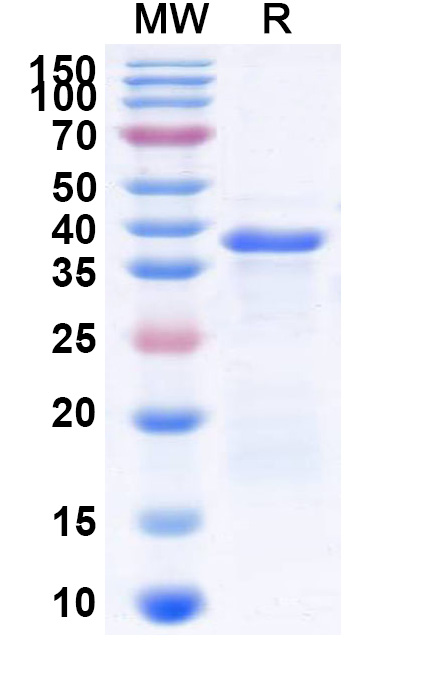
Recombinant Human PTTG1 Protein is a 22 kDa protein consisting of 202 amino acids. It has a conserved N-terminal domain that contains a PTTG1 signature motif and a C-terminal domain that is rich in acidic amino acids. The protein also contains a nuclear localization signal and a PEST sequence, which is involved in protein degradation.
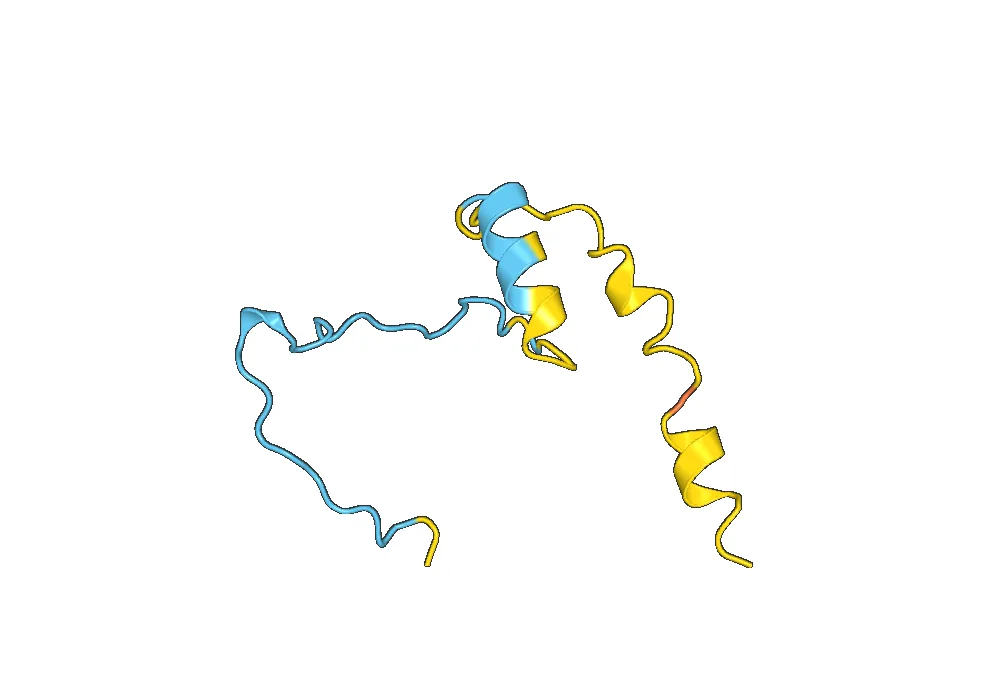
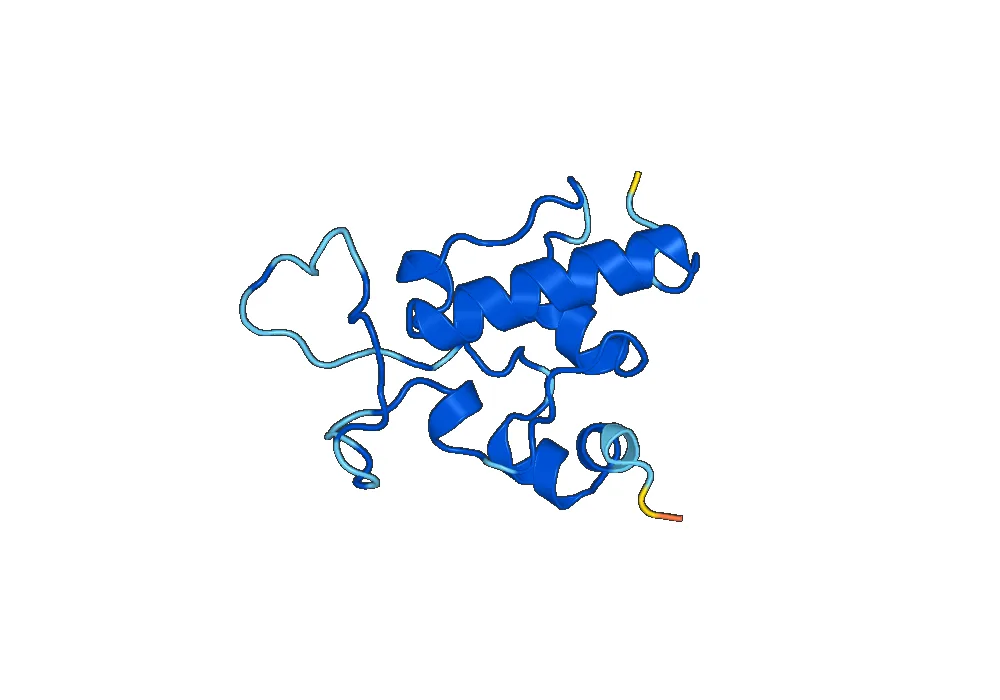
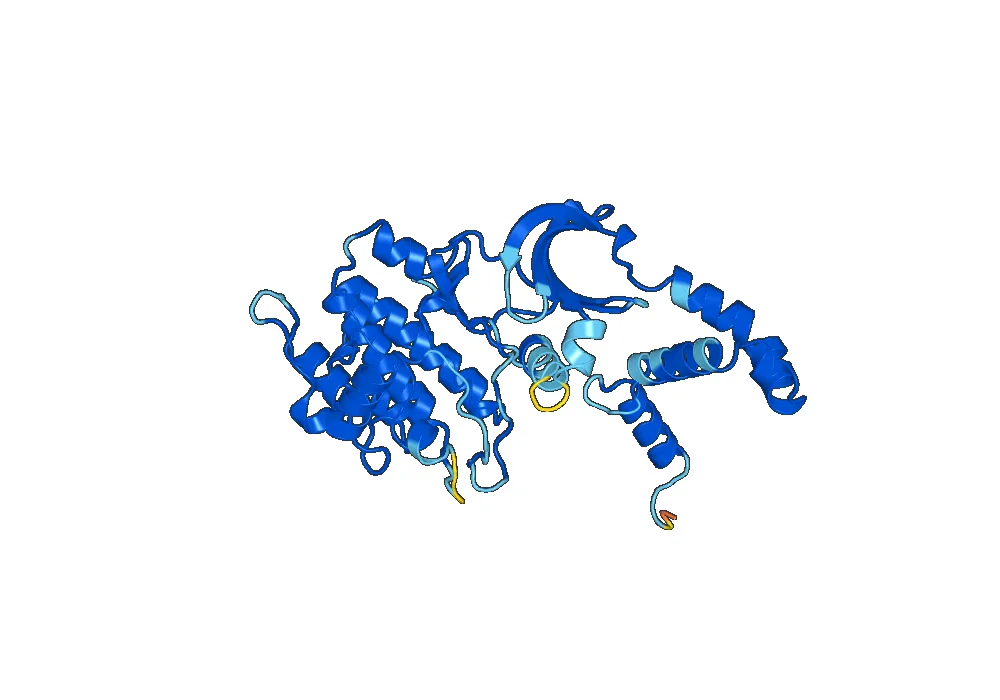
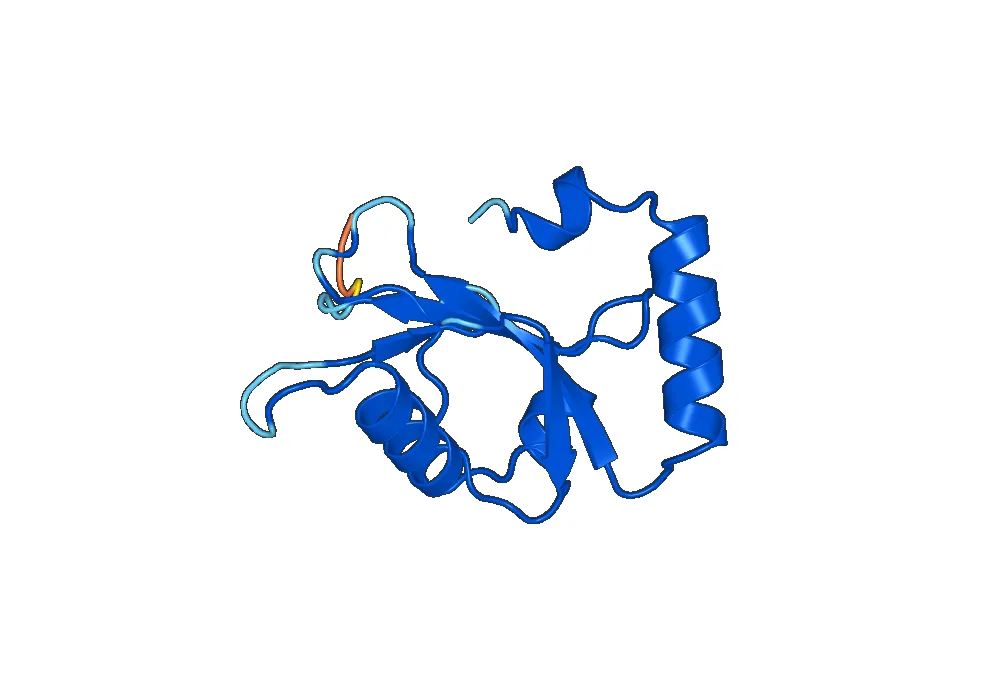
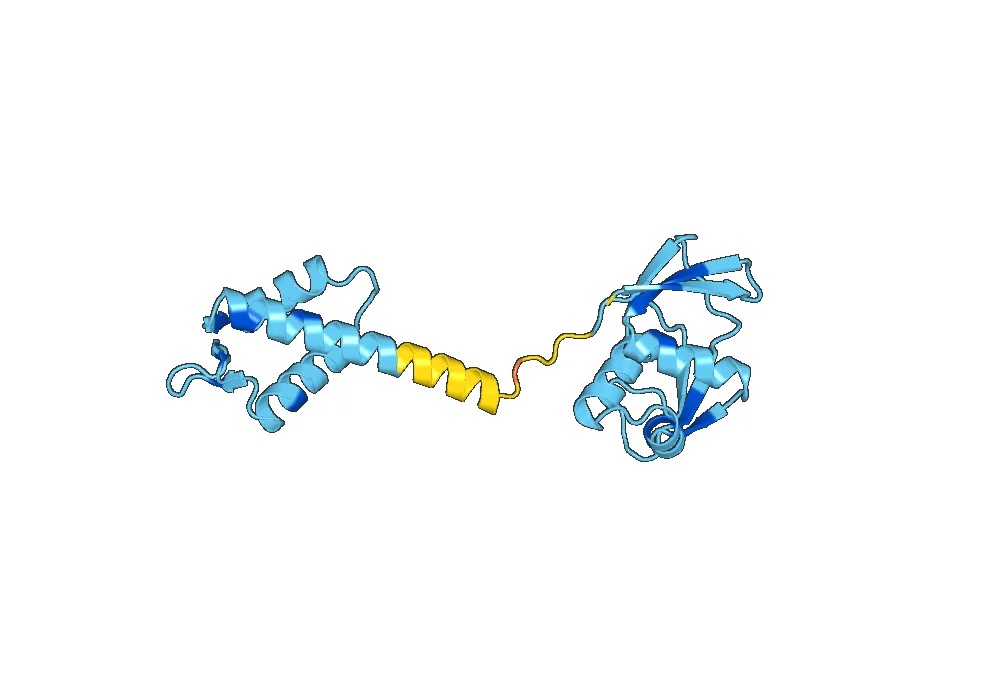
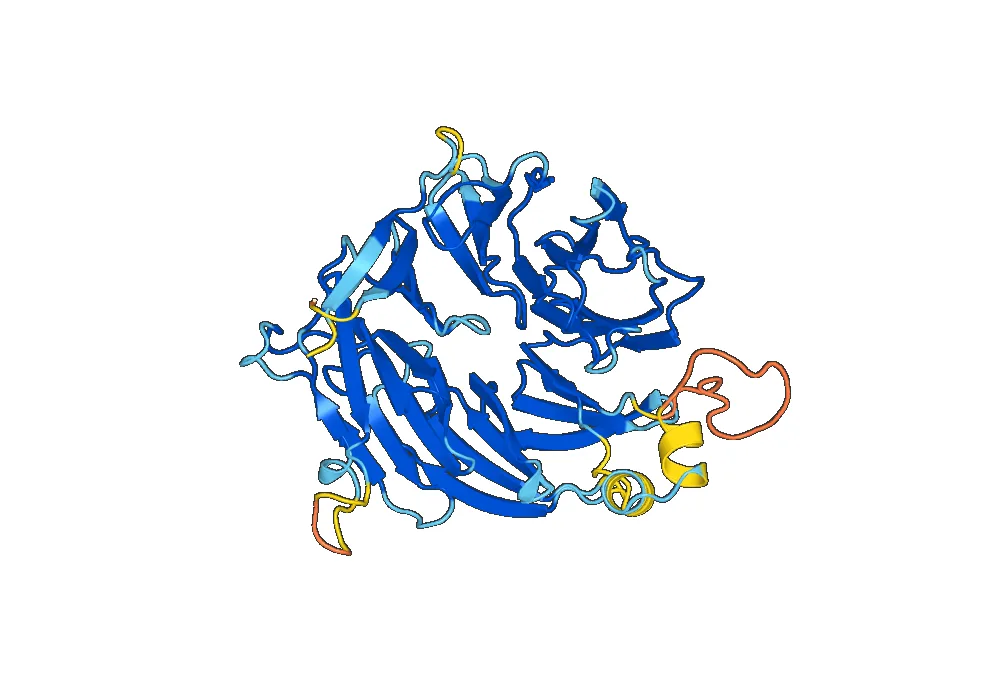
The crystal structure of Recombinant Human PTTG1 Protein has been determined, revealing a compact globular protein with a central β-sheet surrounded by α-helices. The structure suggests that PTTG1 may function as a scaffold protein, interacting with multiple partners to regulate cell cycle progression.
Activity of Recombinant Human PTTG1 Protein
Recombinant Human PTTG1 Protein is a multifunctional protein involved in various cellular processes, including cell proliferation, apoptosis, and DNA repair. It acts as a transcriptional coactivator, binding to transcription factors and enhancing their activity. PTTG1 also interacts with several proteins involved in the cell cycle, such as cyclins and cyclin-dependent kinases, to regulate cell division.
One of the key functions of PTTG1 is its role in promoting cell proliferation. It has been shown to stimulate the expression of growth factors and promote the transition of cells from the G1 to S phase of the cell cycle. In addition, PTTG1 has been implicated in the development and progression of various cancers, including pituitary tumors, breast cancer, and colorectal cancer.
Application of Recombinant Human PTTG1 Protein
Recombinant Human PTTG1 Protein has various applications in both research and clinical settings. It is commonly used as an antigen in studies investigating the role of PTTG1 in cell cycle regulation and cancer development. The protein can also be used as a tool to study protein-protein interactions and identify potential therapeutic targets.
In addition, Recombinant Human PTTG1 Protein has potential clinical applications. It has been proposed as a biomarker for various cancers, as its overexpression has been observed in different tumor types. PTTG1 may also serve as a potential therapeutic target, as studies have shown that targeting PTTG1 can inhibit tumor growth and induce cell death.
Furthermore, Recombinant Human PTTG1 Protein has been used in the development of diagnostic tests for pituitary tumors. As PTTG1 is highly expressed in pituitary adenomas, measuring its levels in blood or tissue samples can aid in the diagnosis and monitoring of these tumors.
Conclusion
Recombinant Human PTTG1 Protein is a multifunctional protein involved in cell cycle regulation and tumorigenesis. Its structure suggests that it may function as a scaffold protein, interacting with multiple partners to regulate various cellular processes. The protein has various applications in research and clinical settings, including as an antigen, biomarker, and potential therapeutic target. Further studies on the structure and function of PTTG1 may provide valuable insights into its role in cancer development and potential therapeutic strategies.


There are no reviews yet.