Introduction:
Recombinant Human IFT140 Protein, also known as Intraflagellar Transport Protein 140, is a vital component of the intraflagellar transport (IFT) system in eukaryotic cells. This protein plays a crucial role in the development and maintenance of cilia, which are hair-like structures found on the surface of cells. Cilia are involved in various cellular functions such as movement, sensing, and signaling. Mutations in the IFT140 gene have been linked to various ciliopathies, making this protein an important target for research and potential therapeutic applications.
Structure:
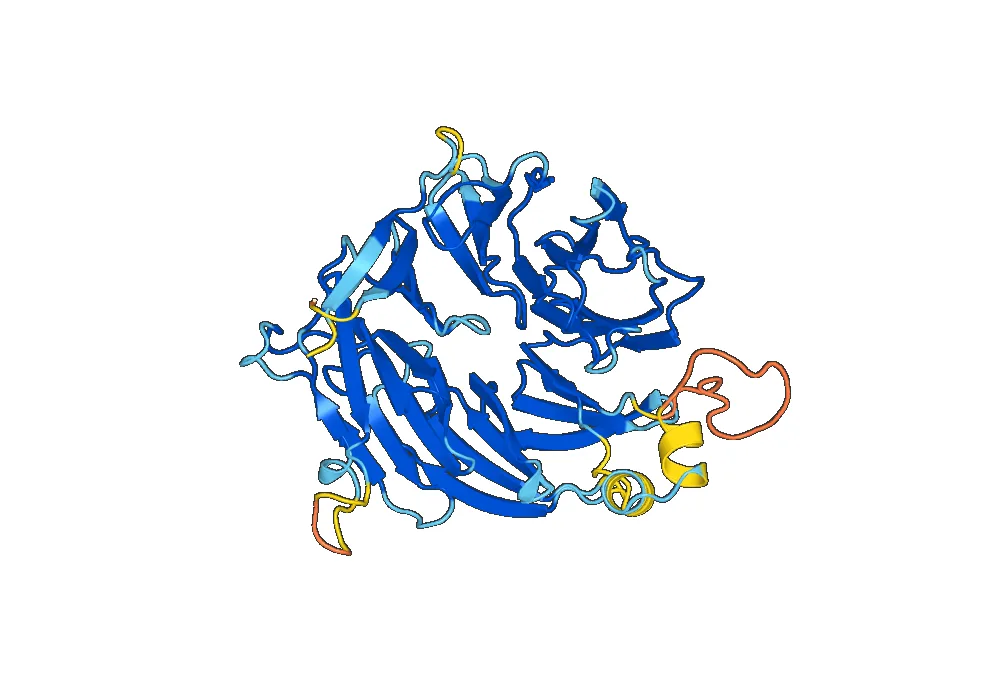
The IFT140 protein is encoded by the IFT140 gene located on chromosome 16 in humans. It consists of 2,344 amino acids with a molecular weight of approximately 260 kDa. The protein has a modular structure, with multiple domains responsible for its different functions. The N-terminal region contains the WD40 domain, which is involved in protein-protein interactions. The central region contains the coiled-coil domain, responsible for the dimerization of IFT140 with other IFT proteins. The C-terminal region contains the IFT-A domain, which is essential for its role in the IFT complex.
Activity:
The primary function of IFT140 is to transport proteins and other molecules to and from the cilia. This process is crucial for the assembly and maintenance of cilia, which are involved in various cellular functions. IFT140 is a component of the IFT-A complex, which is responsible for retrograde transport from the ciliary tip to the base. It also interacts with other IFT proteins, such as IFT20 and IFT88, to form the IFT-B complex, which is involved in anterograde transport from the base to the tip. This bidirectional transport ensures the proper distribution of proteins and signaling molecules within the cilia.
Application:
Recombinant Human IFT140 Protein has various applications in both research and potential therapeutic interventions. In research, this protein is used to study the mechanisms of ciliary assembly and function. It can also be used to investigate the role of IFT140 in ciliopathies, such as Bardet-Biedl syndrome and Short-Rib Thoracic Dysplasia. Additionally, recombinant IFT140 can be used to develop diagnostic tools for ciliopathies by detecting mutations in the IFT140 gene.
In therapeutic applications, IFT140 has shown promising potential in the treatment of ciliopathies. Gene therapy using recombinant IFT140 has been studied in animal models, with promising results. The delivery of functional IFT140 protein to cilia-deficient cells has been shown to restore cilia formation and function. This approach could potentially be used to treat ciliopathies caused by mutations in the IFT140 gene.
Conclusion:
Recombinant Human IFT140 Protein is a crucial component of the intraflagellar transport system, responsible for the transport of proteins and other molecules to and from the cilia. It plays a vital role in the assembly and maintenance of cilia, which are involved in various cellular functions. Mutations in the IFT140 gene have been linked to ciliopathies, making this protein an important target for research and potential therapeutic interventions. The use of recombinant IFT140 in both research and potential therapeutic applications has shown promising results, highlighting its significance in the study and treatment of ciliopathies.


There are no reviews yet.