Introduction to Recombinant Human PLOD3 Protein
Recombinant Human PLOD3 Protein, also known as procollagen-lysine, 2-oxoglutarate 5-dioxygenase 3 (PLOD3), is a type of recombinant protein that plays a crucial role in collagen biosynthesis. It is a member of the prolyl 3-hydroxylase family and is involved in the hydroxylation of proline residues in collagen molecules, which is essential for collagen stability and function.
Structure of Recombinant Human PLOD3 Protein
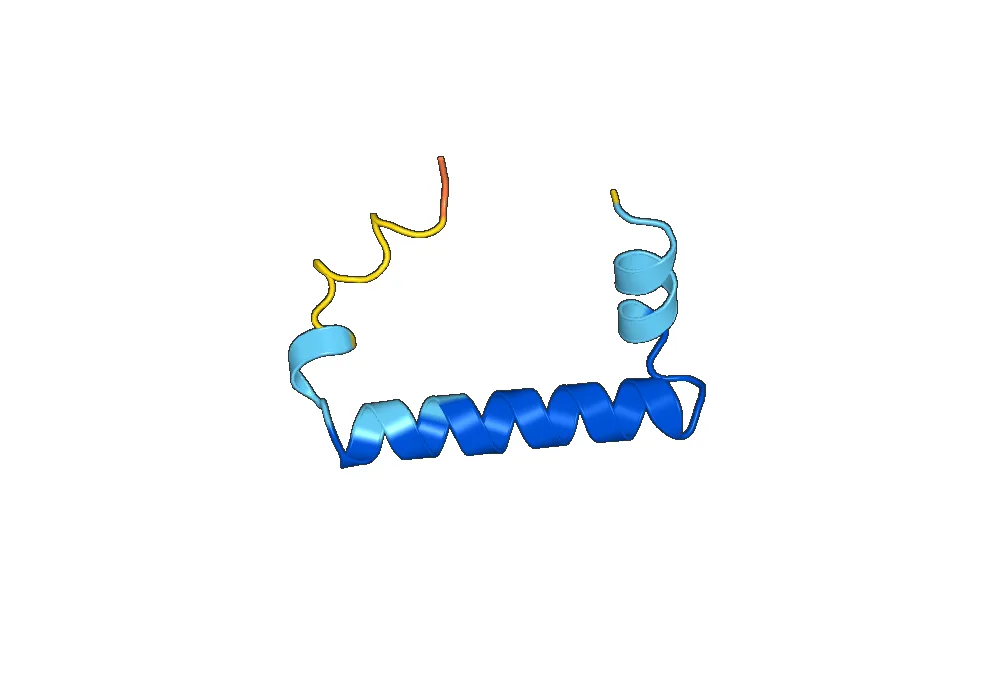
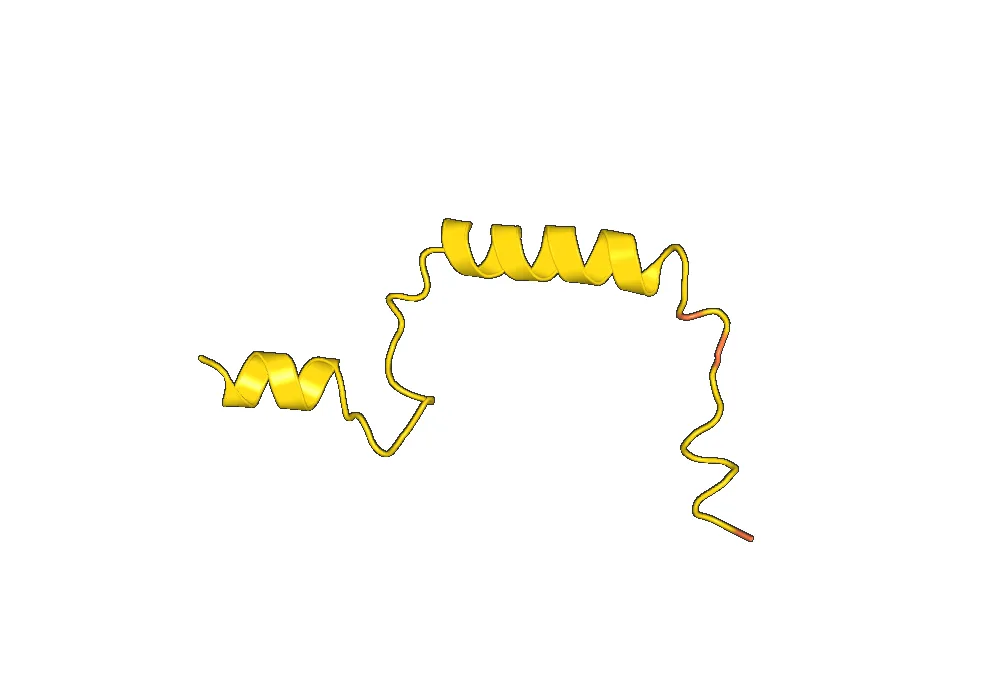
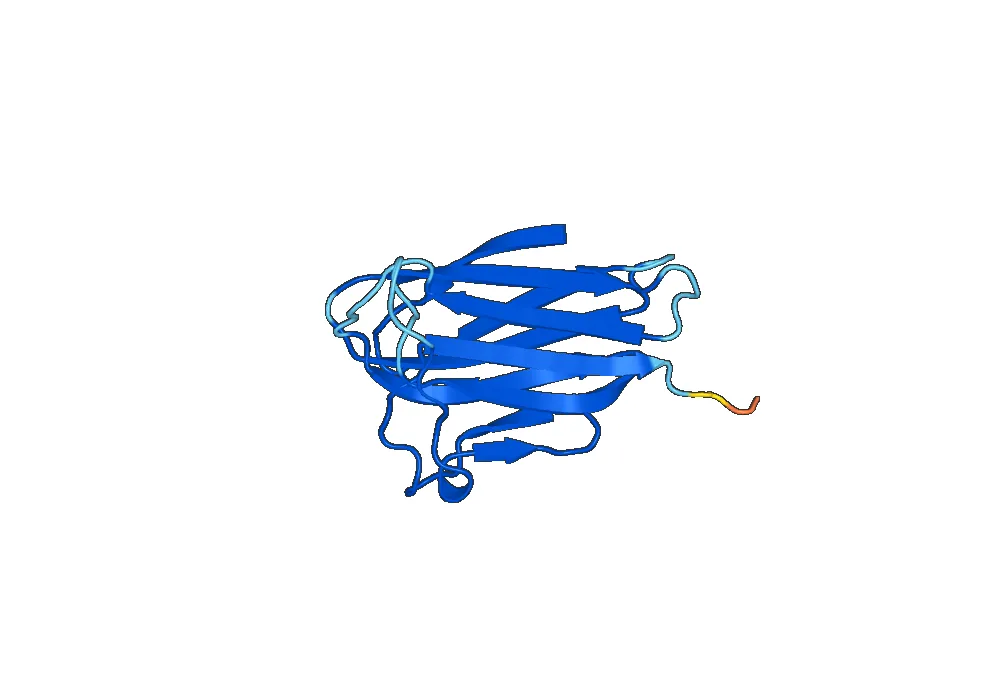
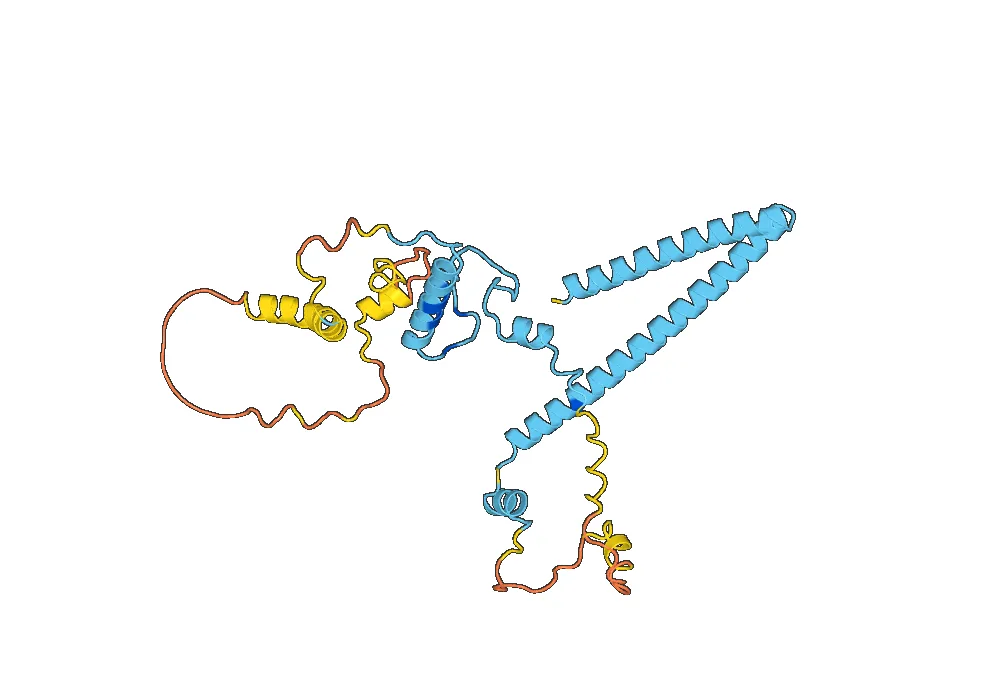
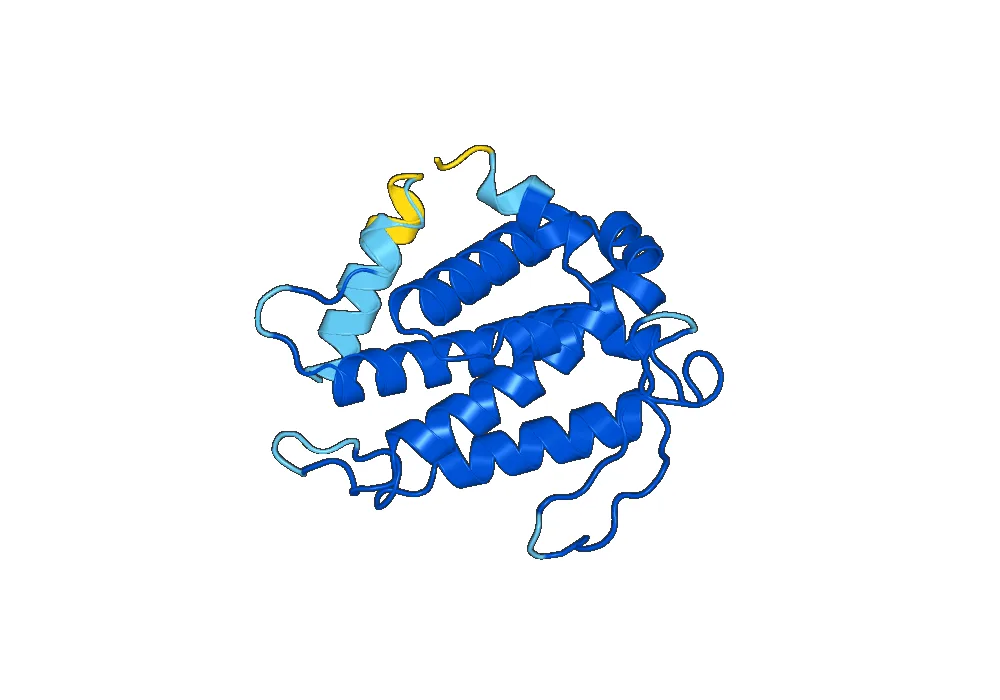
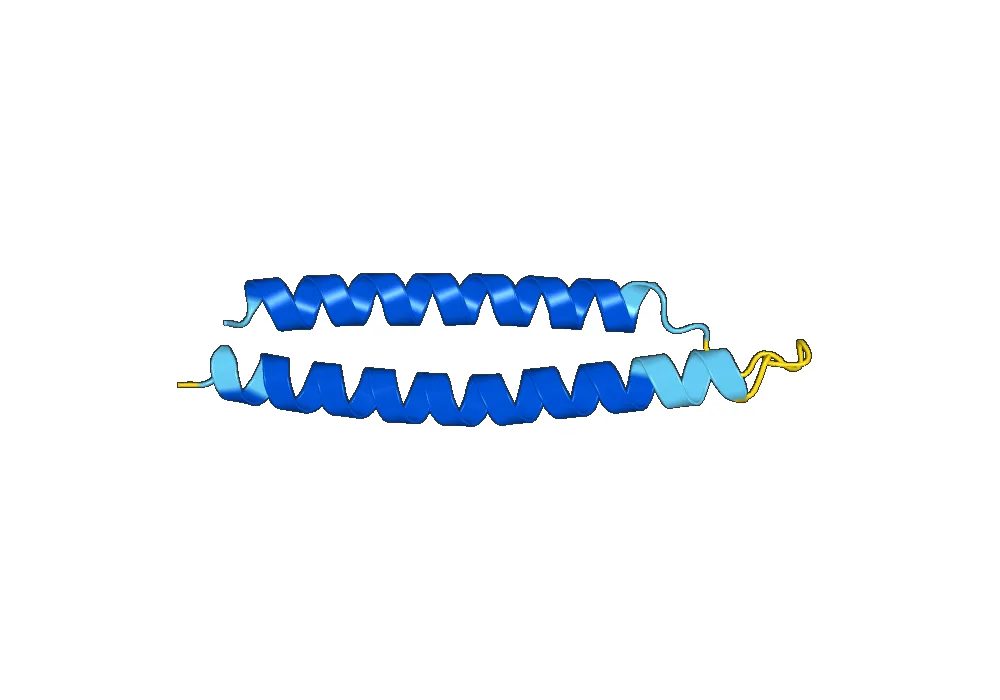
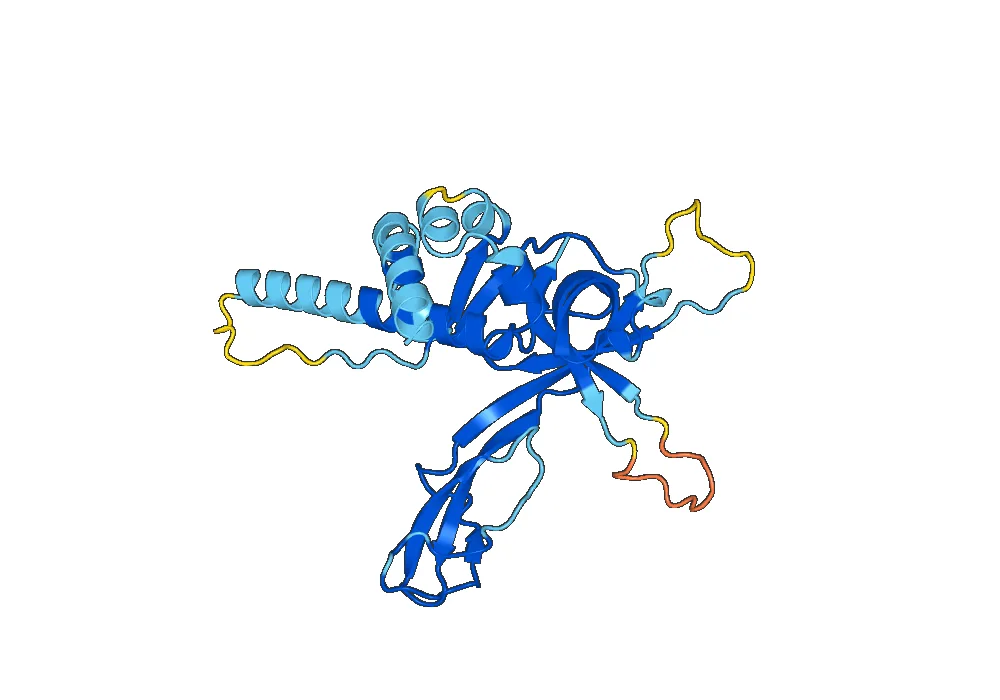
The Recombinant Human PLOD3 Protein is a 707-amino acid protein with a molecular weight of approximately 80 kDa. It consists of three domains: an N-terminal domain, a central domain, and a C-terminal domain. The N-terminal domain contains the catalytic site responsible for the hydroxylation of proline residues, while the central domain is involved in the binding of iron and 2-oxoglutarate, which are essential co-factors for the enzymatic activity. The C-terminal domain is responsible for the interaction with other proteins and plays a role in the regulation of PLOD3 activity.
Recombinant Human PLOD3 Protein is produced through genetic engineering techniques, where the gene for PLOD3 is inserted into a suitable expression vector and then expressed in a host cell, such as E. coli or mammalian cells. This allows for the production of large quantities of the protein in a controlled and efficient manner.
Activity of Recombinant Human PLOD3 Protein
The main activity of Recombinant Human PLOD3 Protein is the hydroxylation of proline residues in collagen molecules. This process is essential for the stability and function of collagen, which is the most abundant protein in the human body and is responsible for providing structural support to tissues and organs. Without proper hydroxylation of proline, collagen molecules may become unstable and lead to various connective tissue disorders.
In addition to its role in collagen biosynthesis, Recombinant Human PLOD3 Protein has also been shown to play a role in the regulation of cell proliferation and migration. Studies have found that PLOD3 expression is upregulated in certain types of cancer, suggesting its involvement in tumor growth and metastasis. This highlights the potential of Recombinant Human PLOD3 Protein as a therapeutic target for cancer treatment.
Application of Recombinant Human PLOD3 Protein
Recombinant Human PLOD3 Protein has a wide range of applications in both research and medical fields. Its role in collagen biosynthesis makes it a valuable tool for studying connective tissue disorders, such as Ehlers-Danlos syndrome and osteogenesis imperfecta. It is also used in the production of recombinant collagen for tissue engineering and regenerative medicine applications.
Furthermore, the aberrant expression of PLOD3 in cancer has made it a potential target for cancer therapy. Inhibitors of PLOD3 activity have shown promising results in reducing tumor growth and metastasis in preclinical studies. Recombinant Human PLOD3 Protein can also be used in drug screening assays to identify potential inhibitors of PLOD3 activity for the development of anti-cancer drugs.
Conclusion
In summary, Recombinant Human PLOD3 Protein is a crucial enzyme involved in collagen biosynthesis and plays a role in cell proliferation and migration. Its structure and activity make it a valuable tool for studying connective tissue disorders and in the development of new therapies for cancer. With its wide range of applications, Recombinant Human PLOD3 Protein continues to be a vital protein in both research and medical fields.

There are no reviews yet.