Introduction to Recombinant Human EIF3I Protein
Recombinant Human EIF3I Protein, also known as eukaryotic translation initiation factor 3 subunit I, is a protein that plays a critical role in the initiation of protein synthesis in eukaryotic cells. This protein is encoded by the EIF3I gene and is a part of the larger eukaryotic translation initiation factor 3 complex. Recombinant Human EIF3I Protein has been extensively studied and has various applications in the fields of molecular biology, biochemistry, and biotechnology.
Structure of Recombinant Human EIF3I Protein
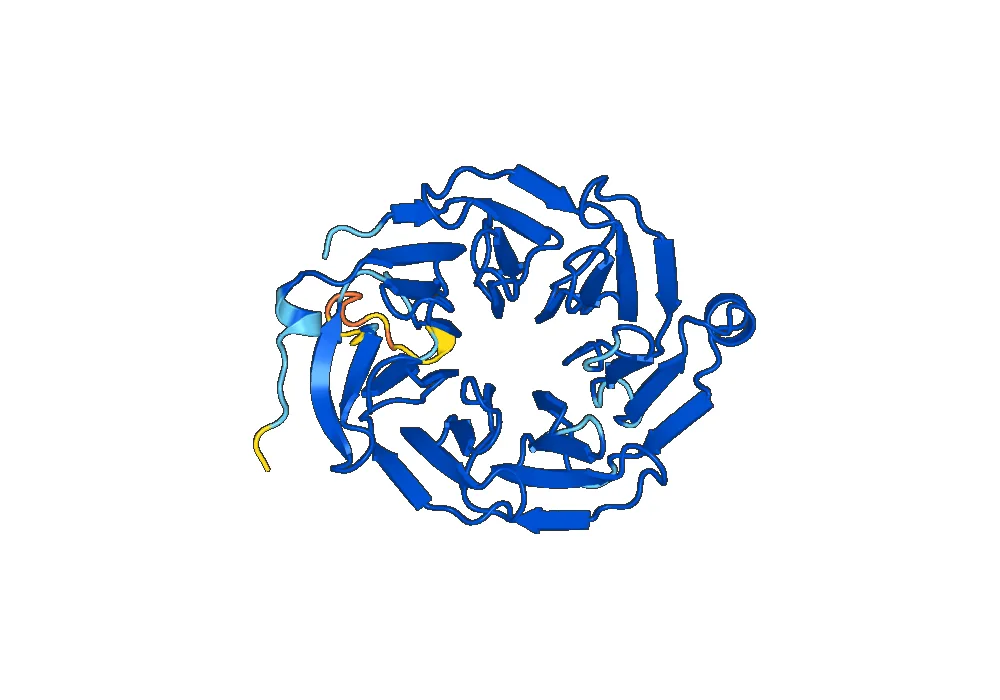
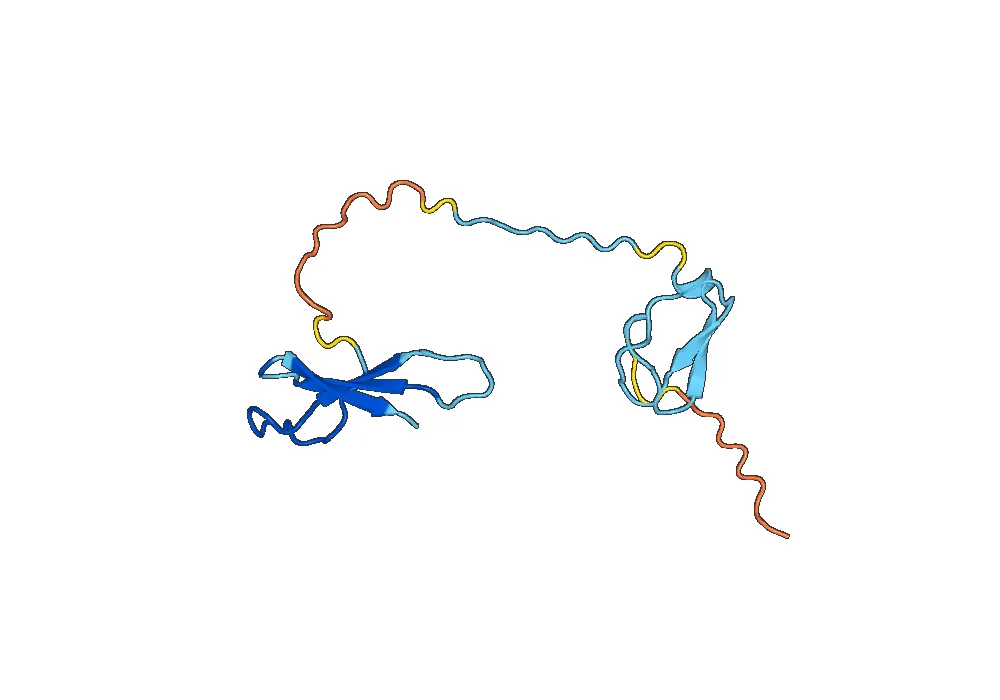
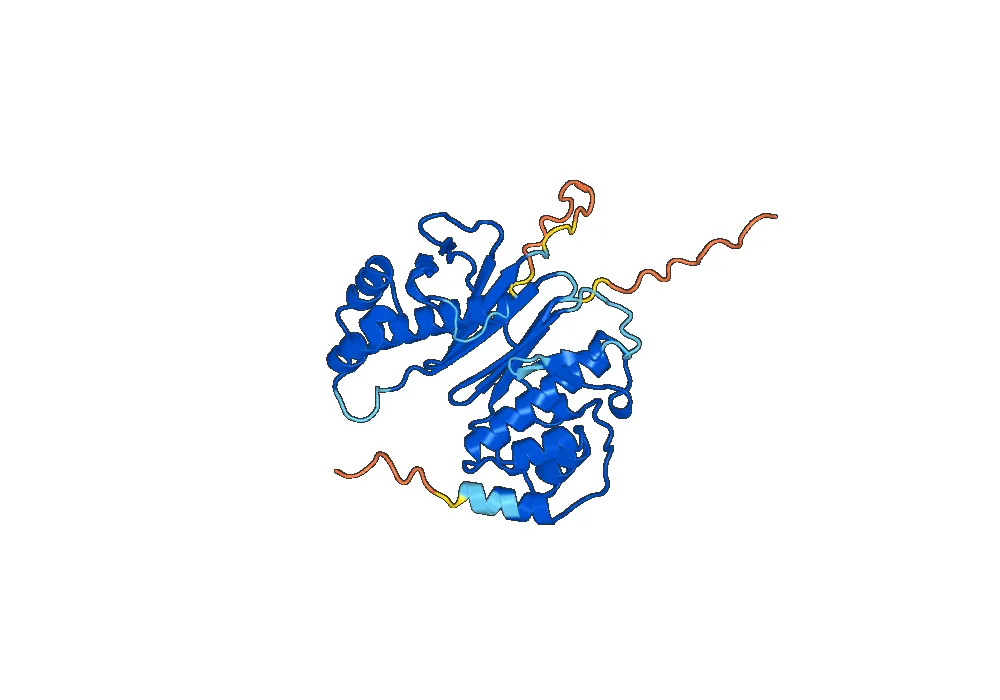
Recombinant Human EIF3I Protein is a 35-kDa protein that consists of 320 amino acids. It is composed of three structural domains: the N-terminal domain, the middle domain, and the C-terminal domain. The N-terminal domain of the protein is responsible for binding to the eukaryotic initiation factor 3 complex, while the middle and C-terminal domains are involved in protein-protein interactions.
The crystal structure of Recombinant Human EIF3I Protein has been determined, revealing that it has a unique fold consisting of five alpha-helices and five beta-strands. This structure is highly conserved among eukaryotes, indicating the importance of this protein in protein synthesis.
Activity of Recombinant Human EIF3I Protein
Recombinant Human EIF3I Protein plays a crucial role in the initiation of protein synthesis by promoting the binding of the 40S ribosomal subunit to the 5′ end of the mRNA. This binding is essential for the formation of the 43S pre-initiation complex, which is a key step in the translation initiation process.
In addition to its role in protein synthesis, Recombinant Human EIF3I Protein also has other activities. It has been shown to interact with various proteins involved in cell cycle regulation, transcription, and DNA repair. This suggests that this protein may have additional functions in cellular processes beyond translation initiation.
Applications of Recombinant Human EIF3I Protein
Recombinant Human EIF3I Protein has various applications in the fields of molecular biology, biochemistry, and biotechnology. One of the main applications of this protein is in studying the mechanism of translation initiation. Recombinant Human EIF3I Protein can be used in in vitro translation assays to investigate the role of this protein in the initiation of protein synthesis.
Another important application of Recombinant Human EIF3I Protein is in the production of recombinant proteins. This protein is often used as a fusion partner in recombinant protein expression systems to enhance the yield and solubility of the target protein. The presence of Recombinant Human EIF3I Protein can also improve the translation efficiency of the target protein, resulting in higher levels of expression.
Moreover, Recombinant Human EIF3I Protein has potential applications in cancer research. It has been reported that this protein is overexpressed in various types of cancer, and its expression is correlated with cancer progression and poor prognosis. Therefore, this protein could be a potential target for cancer therapy.
Conclusion
In conclusion, Recombinant Human EIF3I Protein is a crucial protein involved in the initiation of protein synthesis in eukaryotic cells. Its unique structure and various activities make it an essential player in cellular processes beyond translation initiation. With its wide range of applications, Recombinant Human EIF3I Protein continues to be a valuable tool for researchers in understanding the complex mechanisms of protein synthesis and its potential role in diseases like cancer.



There are no reviews yet.