Introduction
Pozelimab Biosimilar, also known as Anti-C5 mAb, is a research grade antibody that has been developed as a potential therapeutic treatment for various inflammatory and autoimmune diseases. This biosimilar is designed to target and inhibit the activity of the complement protein C5, which plays a crucial role in the inflammatory response. In this article, we will explore the structure, activity, and potential applications of Pozelimab Biosimilar.
Structure of Pozelimab Biosimilar
Pozelimab Biosimilar is a monoclonal antibody, meaning it is produced from a single clone of cells. It is a humanized antibody, meaning it is derived from non-human sources but has been modified to have a structure similar to human antibodies. This modification reduces the risk of an immune response when administered to patients.
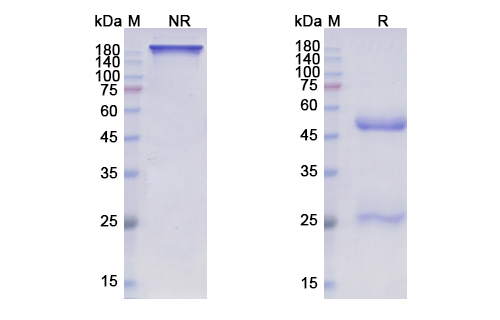
The antibody has a Y-shaped structure, with two identical heavy chains and two identical light chains. The heavy chains are composed of four constant regions and one variable region, while the light chains have two constant regions and one variable region. The variable regions of the antibody are responsible for binding to the target protein, C5.
Activity of Pozelimab Biosimilar
Pozelimab Biosimilar works by specifically binding to the complement protein C5, preventing its activation and subsequent inflammatory response. C5 is a key component of the complement system, which is a part of the immune system responsible for recognizing and eliminating foreign invaders. However, in certain autoimmune and inflammatory diseases, the complement system can become overactive and cause damage to healthy tissues. By targeting and inhibiting C5, Pozelimab Biosimilar can help regulate the complement system and reduce inflammation.
In addition to its inhibitory activity, Pozelimab Biosimilar also has the potential to induce complement-mediated cytotoxicity (CDC). This means that the antibody can activate the complement system to destroy target cells, such as cancer cells. This dual mechanism of action makes Pozelimab Biosimilar a promising therapeutic candidate for a range of conditions.
Applications of Pozelimab Biosimilar
Pozelimab Biosimilar is currently being studied for its potential in treating a variety of autoimmune and inflammatory diseases, including paroxysmal nocturnal hemoglobinuria (PNH), atypical hemolytic uremic syndrome (aHUS), and myasthenia gravis (MG). PNH is a rare blood disorder characterized by the destruction of red blood cells, while aHUS is a rare kidney disease caused by overactive complement activity. MG is an autoimmune disorder that affects the communication between nerves and muscles, leading to muscle weakness and fatigue.
In addition to these specific diseases, Pozelimab Biosimilar may also have potential in treating other conditions that involve dysregulated complement activity, such as rheumatoid arthritis, lupus, and age-related macular degeneration. Clinical trials are currently ongoing to evaluate the safety and efficacy of Pozelimab Biosimilar in these indications.
Conclusion
Pozelimab Biosimilar is a research grade antibody with a unique structure and dual mechanism of action. Its ability to specifically target and inhibit C5, as well as induce CDC, makes it a promising therapeutic candidate for a range of autoimmune and inflammatory diseases. Further research and clinical trials will help determine the full potential of this biosimilar in the treatment of various conditions.



There are no reviews yet.