Litifilimab Biosimilar – Anti-CLEC4C mAb: A Promising Antibody Targeting CLEC4C for Therapeutic Applications Litifilimab Biosimilar is a novel monoclonal antibody (mAb) that specifically targets C-type lectin domain family 4 member C (CLEC4C), also known as Dectin-2. This biosimilar is a research grade version of the anti-CLEC4C mAb, developed for scientific studies and pre-clinical research purposes. In this article, we will discuss the structure, activity, and potential applications of Litifilimab Biosimilar in the field of immunotherapy.
Structure of Litifilimab Biosimilar
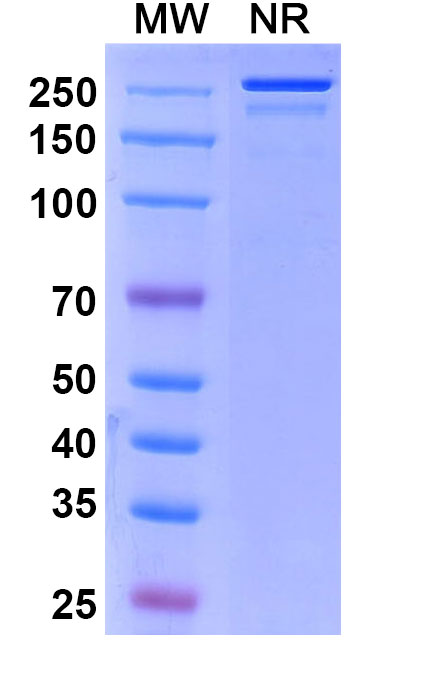
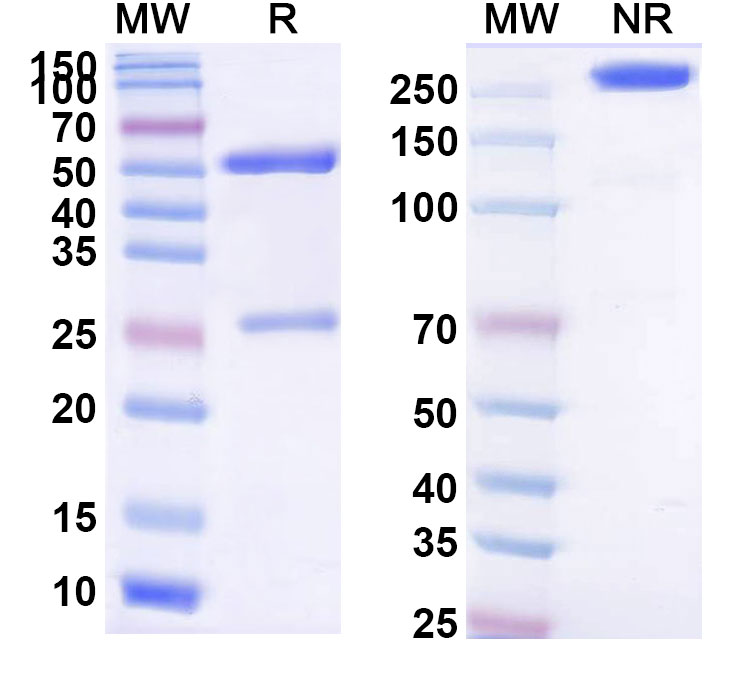
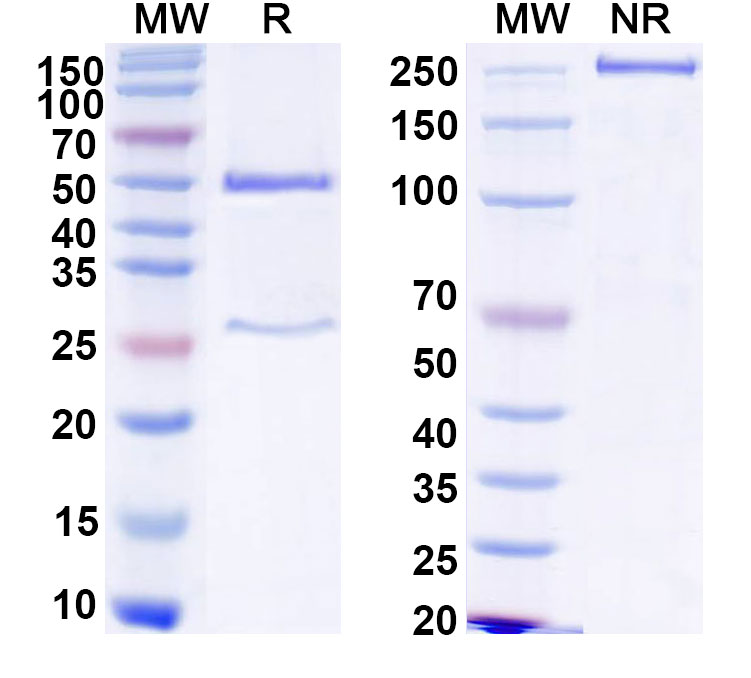
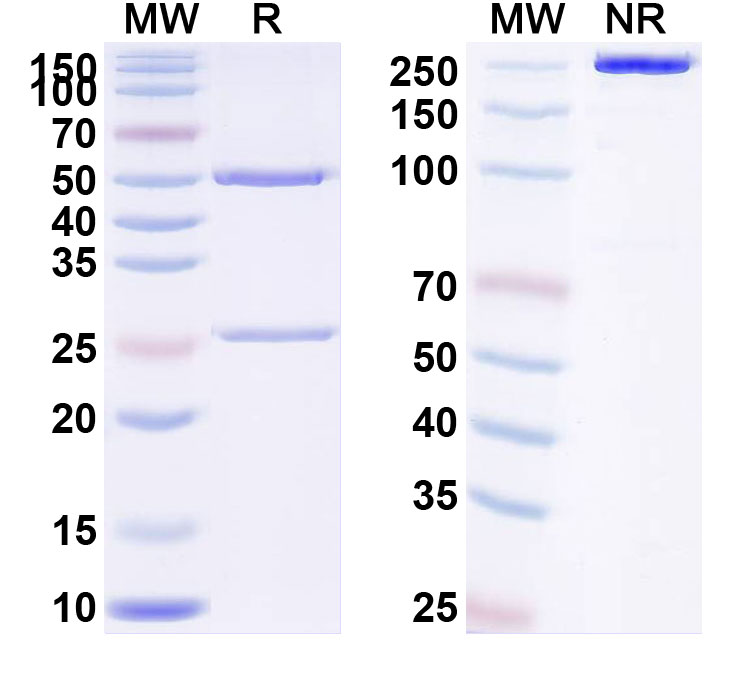
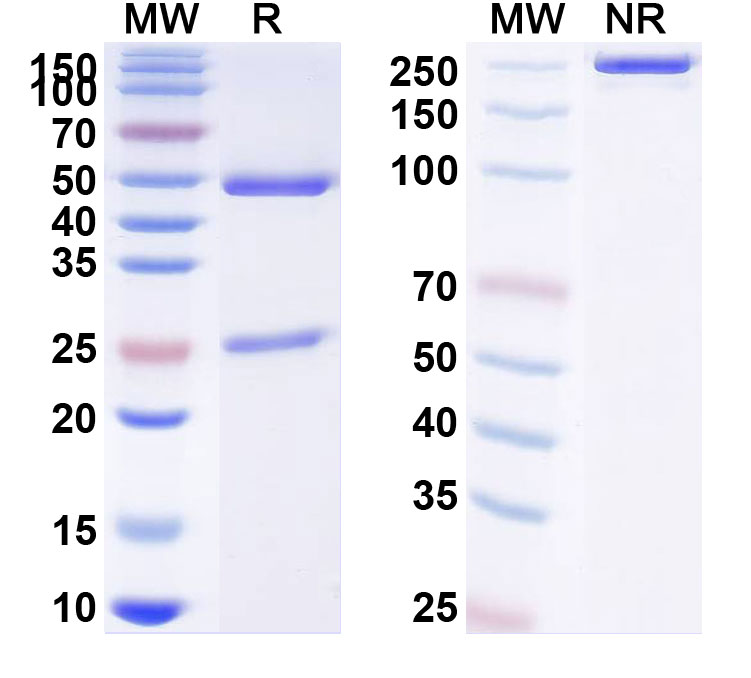
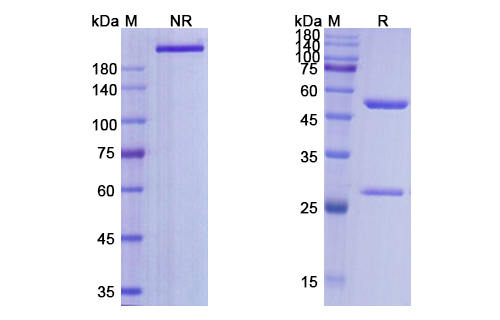
Litifilimab Biosimilar is a humanized IgG1 kappa monoclonal antibody, with a molecular weight of approximately 150 kDa. It is composed of two heavy chains and two light chains, each containing a variable region and a constant region. The variable region of the antibody is responsible for binding to the target antigen, CLEC4C, while the constant region determines the effector functions of the antibody.
The amino acid sequence of Litifilimab Biosimilar is highly similar to the originator anti-CLEC4C mAb, with minor differences in the constant region. This ensures that the biosimilar retains the same binding specificity and activity as the original antibody.
Activity of Litifilimab Biosimilar
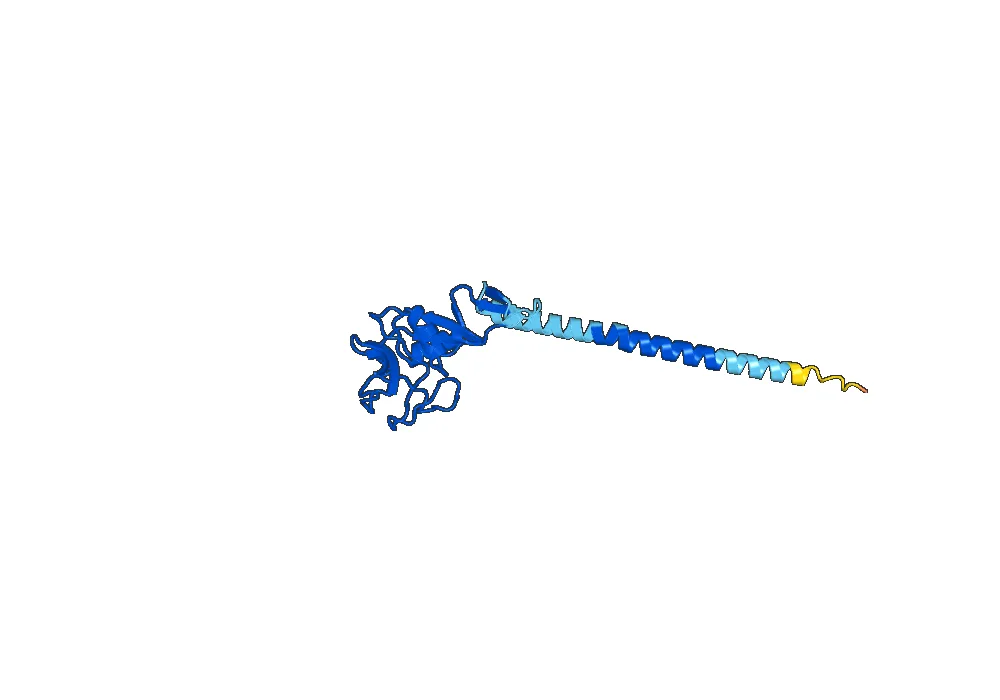
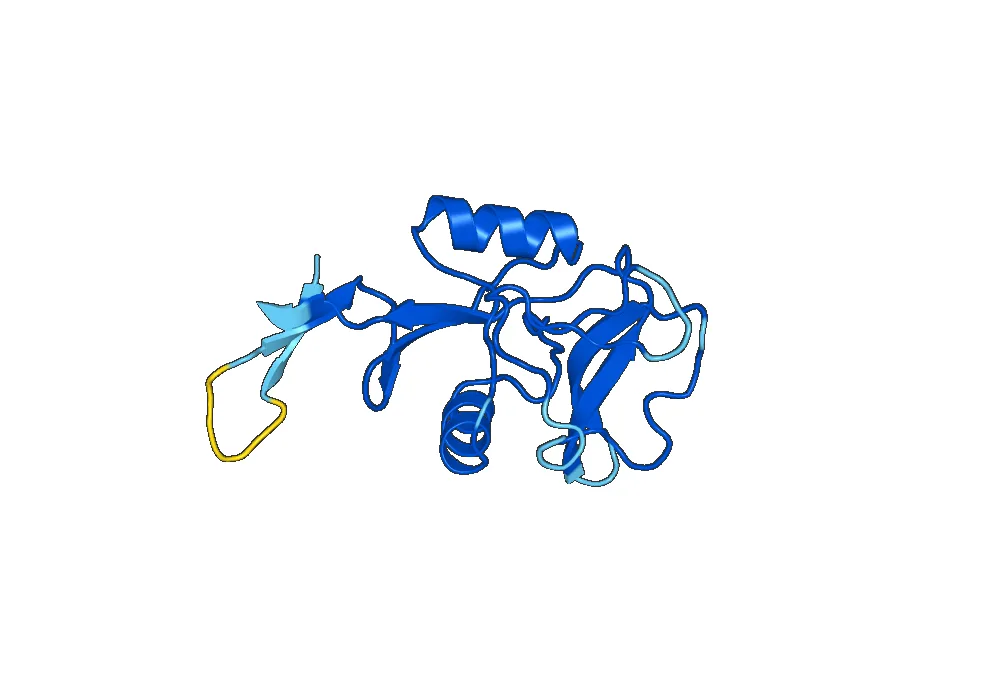
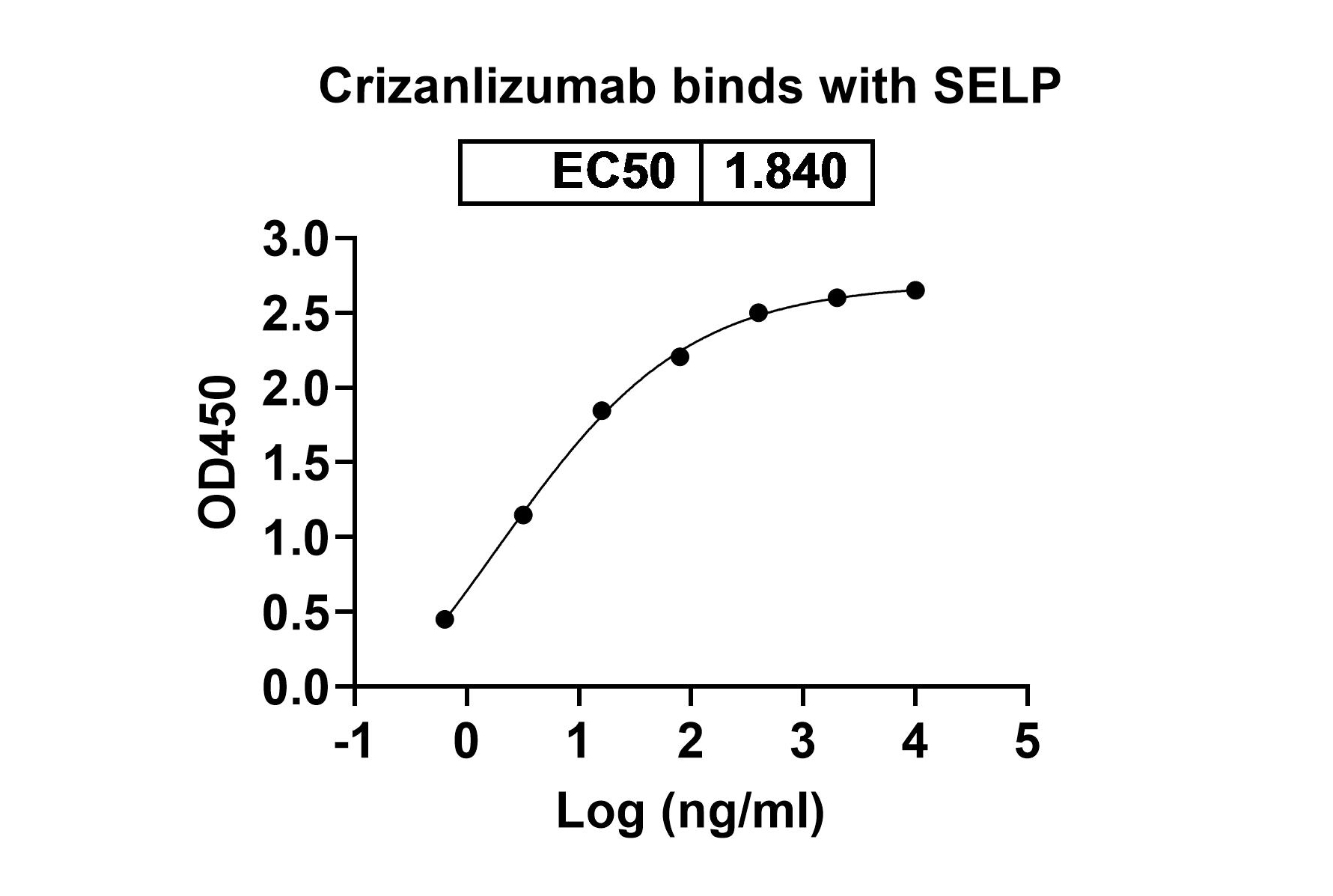
Litifilimab Biosimilar binds to CLEC4C with high affinity and specificity, inhibiting its activity and downstream signaling pathways. CLEC4C is a type II transmembrane protein that is predominantly expressed on the surface of antigen-presenting cells, such as dendritic cells and macrophages.
Upon binding to its ligands, CLEC4C activates immune responses through various pathways, including the NF-κB and MAPK signaling pathways. This leads to the production of pro-inflammatory cytokines and chemokines, facilitating the recruitment and activation of immune cells.
By blocking the activity of CLEC4C, Litifilimab Biosimilar can modulate immune responses and potentially suppress chronic inflammation. This makes it a promising candidate for the treatment of various inflammatory diseases, including autoimmune disorders and cancer.
Therapeutic Applications of Litifilimab Biosimilar
The potential therapeutic applications of Litifilimab Biosimilar are vast and diverse, owing to its ability to modulate immune responses. Some of the possible applications of this biosimilar include:
1. Treatment of Autoimmune Diseases CLEC4C has been implicated in the pathogenesis of several autoimmune diseases, such as rheumatoid arthritis, systemic lupus erythematosus, and psoriasis. By inhibiting the activity of CLEC4C, Litifilimab Biosimilar may help alleviate symptoms and slow down disease progression in these conditions.
2.
Cancer Immunotherapy
CLEC4C has been shown to play a role in tumor growth and evasion of the immune system. By targeting CLEC4C, Litifilimab Biosimilar may enhance the anti-tumor immune response and improve the efficacy of existing cancer treatments.
3. Infectious Disease Treatment CLEC4C is involved in the recognition and clearance of various pathogens, including viruses and fungi. By blocking CLEC4C, Litifilimab Biosimilar may enhance the immune response against these pathogens and aid in the treatment of infectious diseases.
4. Inflammatory Bowel Disease (IBD) Therapy CLEC4C has been shown to be upregulated in the intestinal mucosa of patients with IBD. By inhibiting CLEC4C, Litifilimab Biosimilar may reduce inflammation in the gut and improve symptoms in patients with

There are no reviews yet.