Introduction
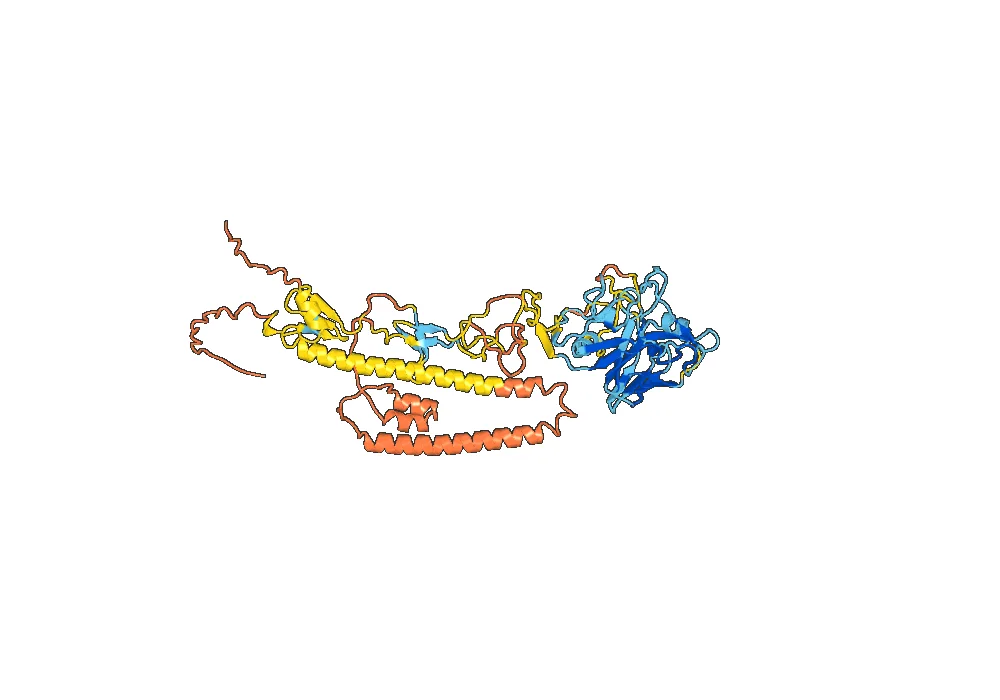
Lesofavumab Biosimilar, also known as Anti-hemagglutinin mAb, is a monoclonal antibody that has shown promising results in various pre-clinical and clinical studies. This biosimilar is designed to target the hemagglutinin protein, which is a key component of the influenza virus. In this article, we will discuss the structure, activity, and potential applications of Lesofavumab Biosimilar as a therapeutic antibody.
Structure of Lesofavumab Biosimilar
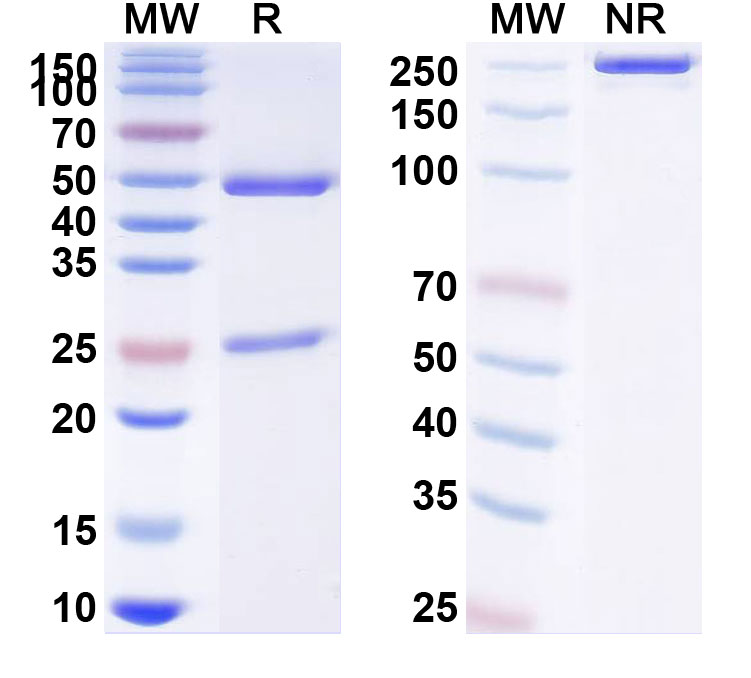
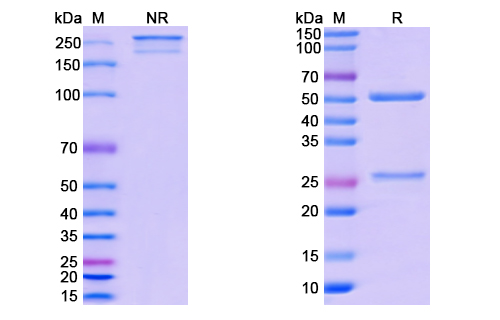
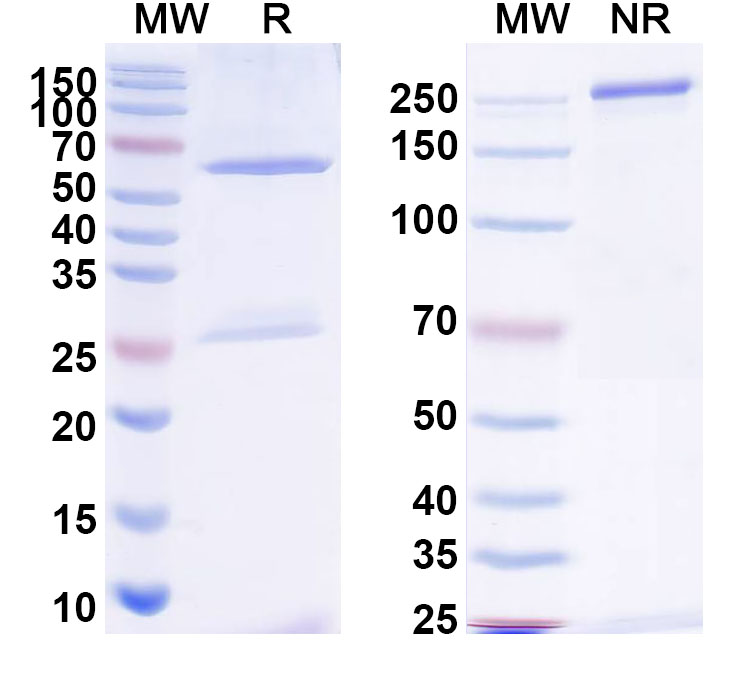
Lesofavumab Biosimilar is a recombinant monoclonal antibody that is produced using advanced biotechnology techniques. It is a fully humanized antibody, meaning that it is derived from human genetic material and has a high degree of similarity to naturally occurring antibodies in the human body. The antibody has a molecular weight of approximately 150 kDa and is composed of two heavy chains and two light chains.
The heavy chains are responsible for binding to the hemagglutinin protein, while the light chains provide stability and support to the antibody structure. The binding region of Lesofavumab Biosimilar is located on the variable region of the heavy chain, which is responsible for recognizing and binding to specific antigens.
Activity of Lesofavumab Biosimilar
Lesofavumab Biosimilar has a high affinity for the hemagglutinin protein, which is a key component of the influenza virus. The antibody binds to the hemagglutinin protein and prevents it from attaching to host cells, thereby inhibiting viral entry and replication. This mechanism of action makes Lesofavumab Biosimilar a potent inhibitor of influenza virus infection.
In addition, Lesofavumab Biosimilar also has the ability to activate the immune system by recruiting immune cells to the site of infection. This enhances the body’s natural defense mechanisms against the virus and can lead to faster recovery from influenza.
Potential Applications of Lesofavumab Biosimilar
Lesofavumab Biosimilar has shown promising results in pre-clinical and clinical studies as a potential therapy for influenza virus infection. It has the potential to be used as a prophylactic treatment to prevent influenza infection in high-risk individuals, such as healthcare workers and immunocompromised patients. It can also be used as a therapeutic treatment for individuals who have already been infected with the virus.
Moreover, Lesofavumab Biosimilar has the potential to be used in combination with other antiviral drugs to enhance their efficacy and reduce the risk of developing drug resistance. This makes it a promising candidate for the treatment of influenza virus strains that are resistant to currently available antiviral drugs.
Conclusion
In conclusion, Lesofavumab Biosimilar is a promising therapeutic antibody that has shown potential in the treatment of influenza virus infection. Its unique mechanism of action and high specificity for the hemagglutinin protein make it a potent inhibitor of viral infection. With further research and development, Lesofavumab Biosimilar has the potential to become a valuable tool in the fight against influenza.


There are no reviews yet.