Introduction
Crizanlizumab Biosimilar, also known as Anti-SELP mAb, is a monoclonal antibody (mAb) that has been developed as a potential therapeutic option for the treatment of various diseases. This biosimilar is a highly specific and potent antibody that targets the SELP protein, making it a promising candidate for the treatment of various inflammatory and vascular disorders.
Structure of Crizanlizumab Biosimilar
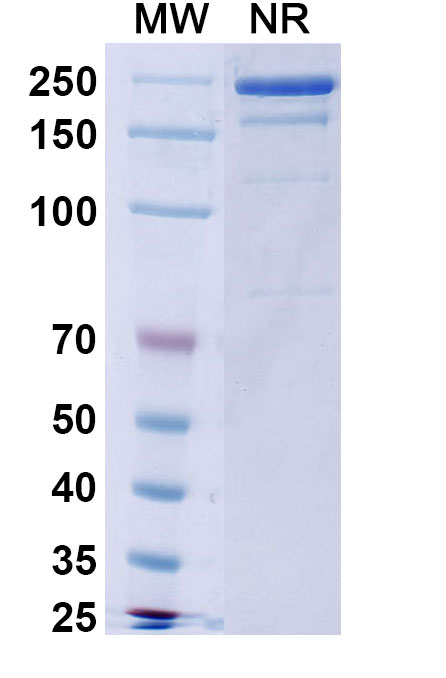
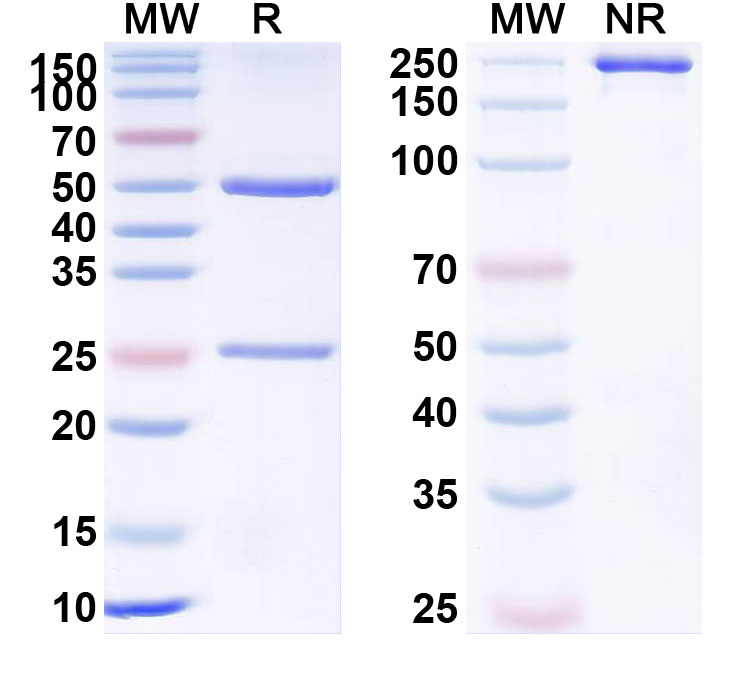
Crizanlizumab Biosimilar is a fully humanized monoclonal antibody, meaning it is derived from human cells and has a structure that closely resembles the natural antibodies produced in the human body. It is composed of two heavy chains and two light chains, each with a unique sequence of amino acids that determine its specificity and binding affinity. The antibody has a molecular weight of approximately 150 kDa, making it a relatively large protein.
Activity of Crizanlizumab Biosimilar
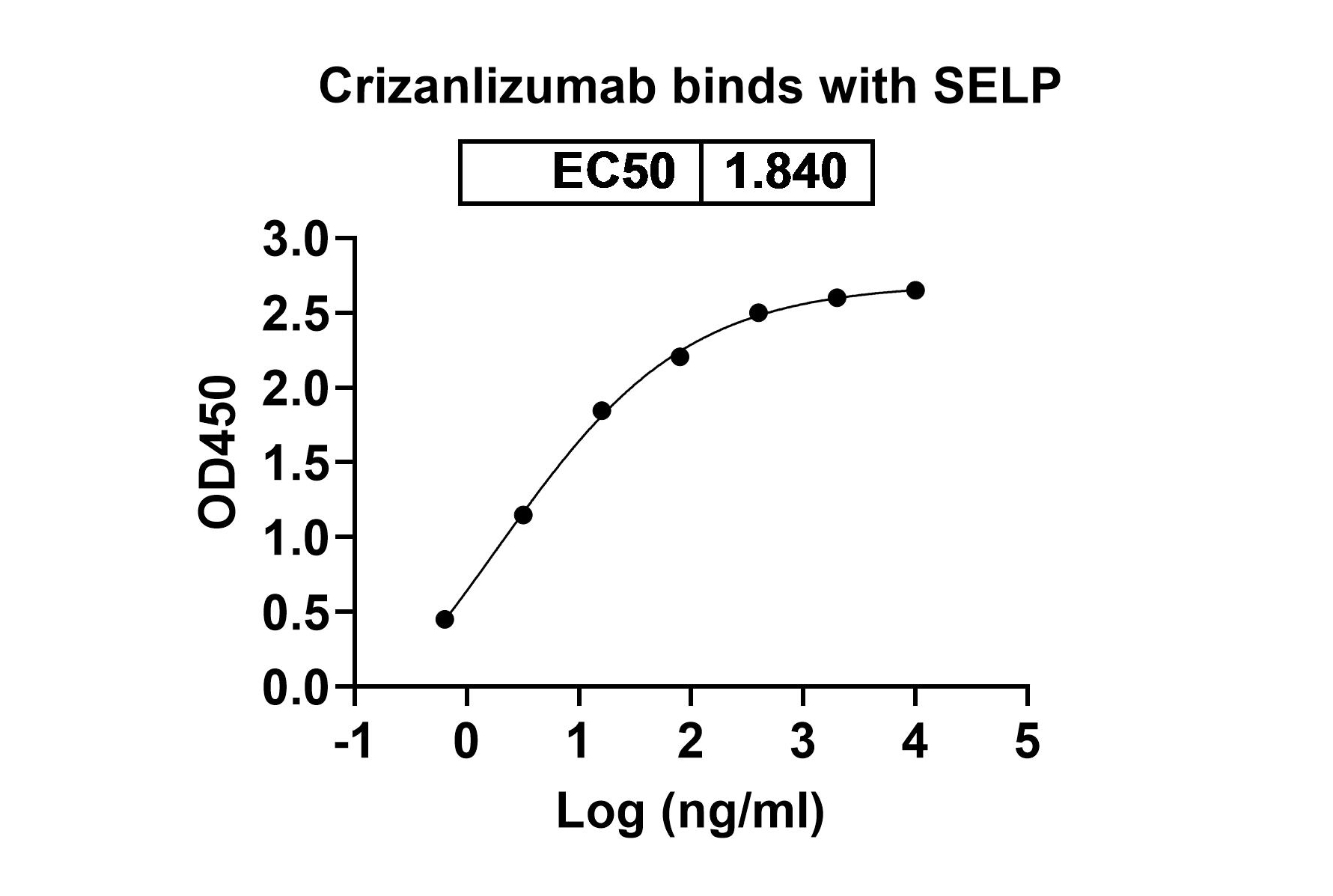
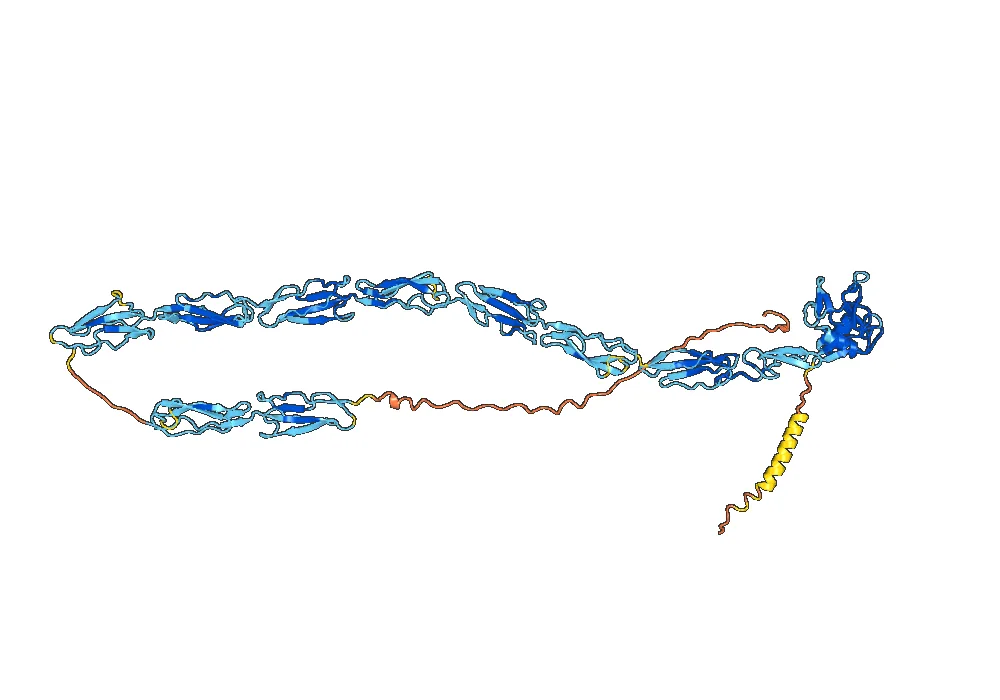
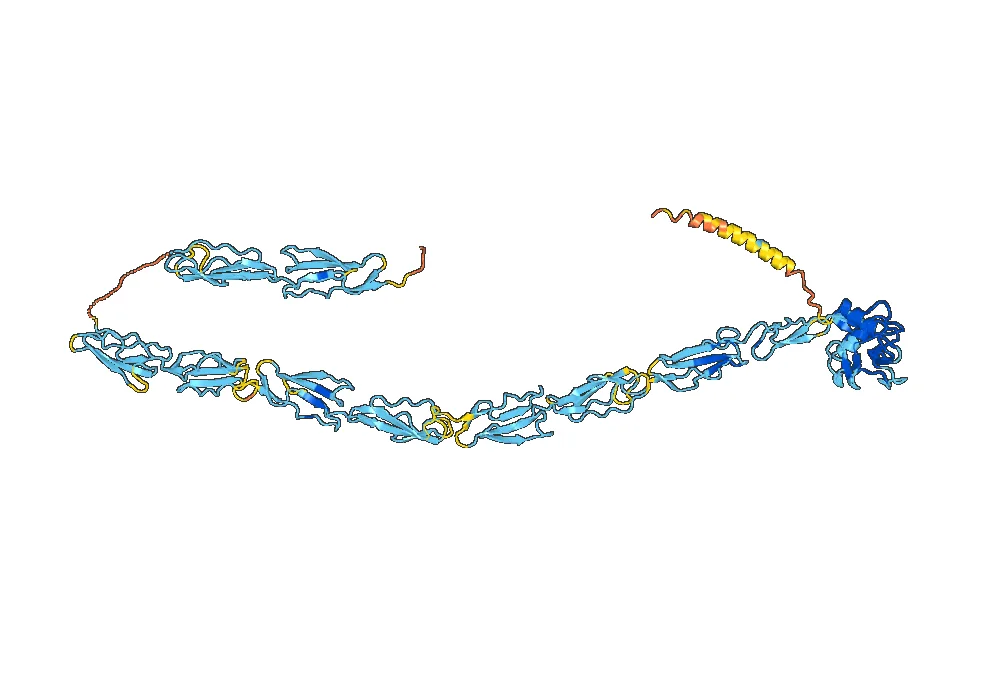
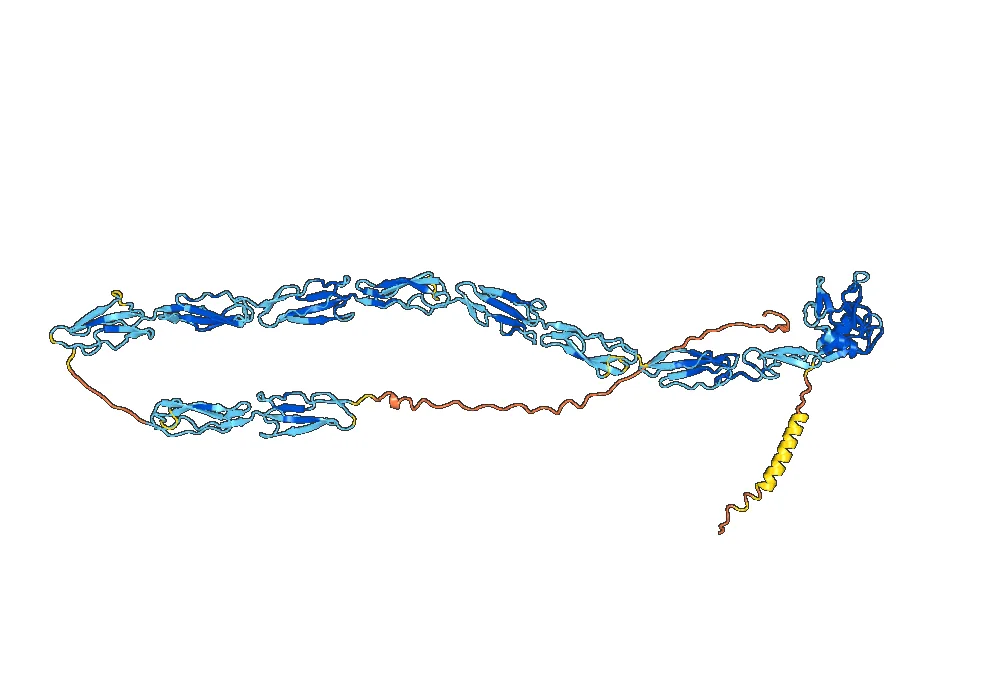
The primary activity of Crizanlizumab Biosimilar is its ability to bind to and inhibit the activity of the SELP protein. SELP, also known as P-selectin, is a cell adhesion molecule that plays a crucial role in the recruitment of leukocytes to sites of inflammation. By binding to SELP, Crizanlizumab Biosimilar prevents the adhesion of leukocytes to the endothelium, thereby reducing inflammation and preventing tissue damage.
In addition to its anti-inflammatory activity, Crizanlizumab Biosimilar also has anti-thrombotic properties. SELP is also involved in the formation of blood clots by promoting platelet aggregation. By inhibiting SELP, Crizanlizumab Biosimilar can prevent the formation of blood clots, making it a potential treatment for thrombotic disorders.
Application of Crizanlizumab Biosimilar
Crizanlizumab Biosimilar has shown promising results in preclinical studies for the treatment of various inflammatory and vascular disorders. It has been specifically studied in the context of sickle cell disease (SCD), a genetic disorder characterized by abnormal hemoglobin that can lead to vaso-occlusive crises (VOCs). VOCs are episodes of severe pain and tissue damage caused by the blockage of blood vessels by sickled red blood cells. SELP has been identified as a key mediator of VOCs in SCD, making it a potential therapeutic target for this disease.
In a phase II clinical trial, Crizanlizumab Biosimilar was shown to significantly reduce the frequency of VOCs in patients with SCD. It also showed a favorable safety profile, with no serious adverse events reported. Based on these promising results, Crizanlizumab Biosimilar has been granted orphan drug designation by the FDA for the treatment of SCD.
In addition to SCD, Crizanlizumab Biosimilar is also being investigated as a potential treatment for other inflammatory and vascular disorders, such as rheumatoid arthritis and acute lung injury. Its anti-inflammatory and anti-thrombotic properties make it a promising candidate for the treatment of these diseases.
Conclusion
In summary, Crizanlizumab Biosimilar is a highly specific and potent monoclonal antibody that targets the SELP protein. Its ability to inhibit SELP makes it a potential treatment for various inflammatory and vascular disorders, with a particular focus on SCD. Further clinical trials are needed to fully evaluate the efficacy and safety of this biosimilar, but the current data suggests it may be a promising therapeutic option for patients in need.

There are no reviews yet.