Izenivetmab Biosimilar – Anti-NGFB (Canine) mAb: A Powerful Antibody Targeting NGFB for Canine Therapy
Introduction
Izenivetmab Biosimilar – Anti-NGFB (Canine) mAb is a novel monoclonal antibody (mAb) that specifically targets the nerve growth factor beta (NGFB) in canines. This biosimilar antibody is derived from the original Izenivetmab, which has been successfully used in human therapy for various diseases. With its high specificity and potency, Izenivetmab Biosimilar – Anti-NGFB (Canine) mAb shows great potential as a therapeutic agent for canine diseases involving NGFB.
Structure of Izenivetmab Biosimilar – Anti-NGFB (Canine) mAb
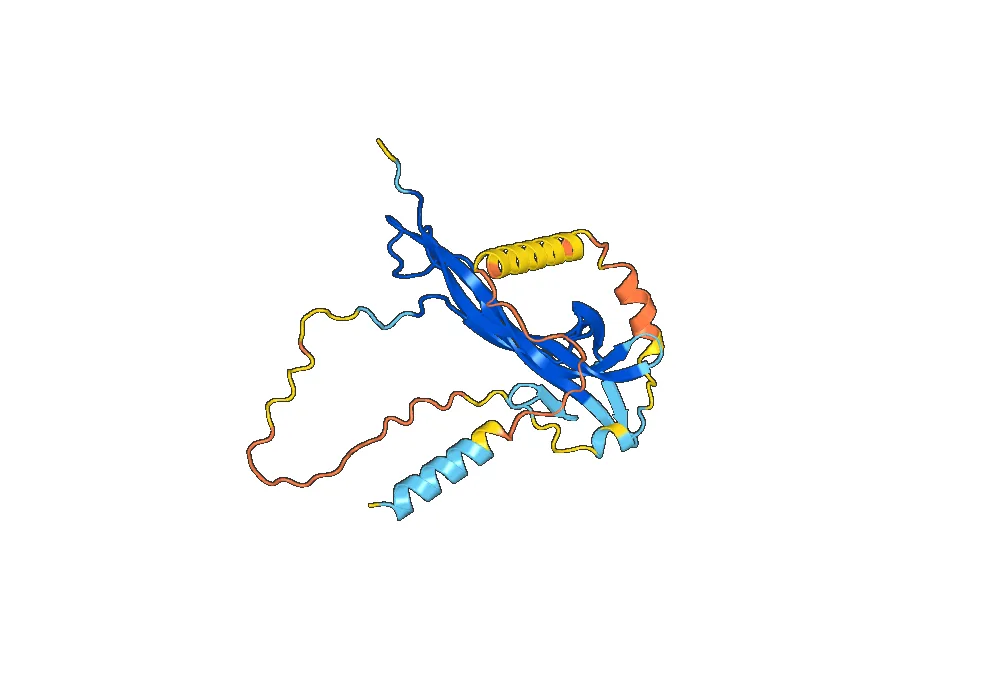
Izenivetmab Biosimilar – Anti-NGFB (Canine) mAb is a fully humanized IgG1 antibody, with a molecular weight of approximately 150 kDa. It is composed of two heavy chains and two light chains, each containing variable and constant regions. The variable regions of the antibody are responsible for recognizing and binding to NGFB, while the constant regions mediate effector functions such as complement-dependent cytotoxicity and antibody-dependent cellular cytotoxicity.
Activity of Izenivetmab Biosimilar – Anti-NGFB (Canine) mAb
NGFB is a neurotrophic factor that plays a crucial role in the development and maintenance of the nervous system in canines. It is also involved in various physiological processes, including pain perception, inflammation, and immune response. However, overexpression of NGFB has been linked to several pathological conditions, such as chronic pain, neuropathies, and autoimmune diseases. Izenivetmab Biosimilar – Anti-NGFB (Canine) mAb specifically binds to NGFB and inhibits its activity, thereby reducing the symptoms associated with NGFB-related diseases.
Application of Izenivetmab Biosimilar – Anti-NGFB (Canine) mAb
Izenivetmab Biosimilar – Anti-NGFB (Canine) mAb has potential applications in various canine diseases, including chronic pain, osteoarthritis, and autoimmune disorders. Chronic pain is a common condition in aging canines, and NGFB has been implicated in its development and maintenance. By targeting NGFB, Izenivetmab Biosimilar – Anti-NGFB (Canine) mAb can provide relief from chronic pain in canines.
Osteoarthritis is another prevalent condition in canines, especially in older dogs. NGFB has been found to be involved in the pathogenesis of osteoarthritis by promoting inflammation and cartilage degradation. Izenivetmab Biosimilar – Anti-NGFB (Canine) mAb can potentially slow down the progression of osteoarthritis by inhibiting NGFB activity and reducing inflammation.
Autoimmune diseases, such as immune-mediated hemolytic anemia and immune-mediated thrombocytopenia, are also potential targets for Izenivetmab Biosimilar – Anti-NGFB (Canine) mAb. NGFB has been shown to play a role in the pathogenesis of these diseases by promoting autoantibody production and inflammation. By blocking NGFB, Izenivetmab Biosimilar – Anti-NGFB (Canine) mAb can potentially mitigate the symptoms of these autoimmune disorders.
Conclusion
In summary, Izenivetmab Biosimilar – Anti-NGFB (Canine) mAb is a promising antibody therapy for canines targeting NGFB. Its specific binding to NGFB and inhibition of its activity make it a potential treatment option for various canine diseases, including chronic pain, osteoarthritis, and autoimmune disorders. Further research and clinical trials are needed to fully explore the therapeutic potential of Izenivetmab Biosimilar – Anti-NGFB (Canine) mAb in the veterinary field.

There are no reviews yet.