Introduction
Enlonstobart Biosimilar is a novel therapeutic antibody that targets the programmed cell death protein 1 (PD-1) pathway. This biosimilar is a highly specific and potent anti-PD-1 monoclonal antibody (mAb) that has been developed for the treatment of various types of cancer. In this article, we will provide a scientific description of the structure, activity, and potential applications of Enlonstobart Biosimilar.
Structure of Enlonstobart Biosimilar
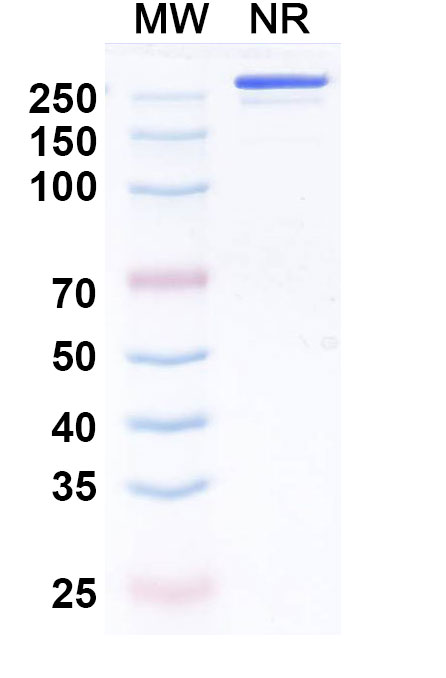
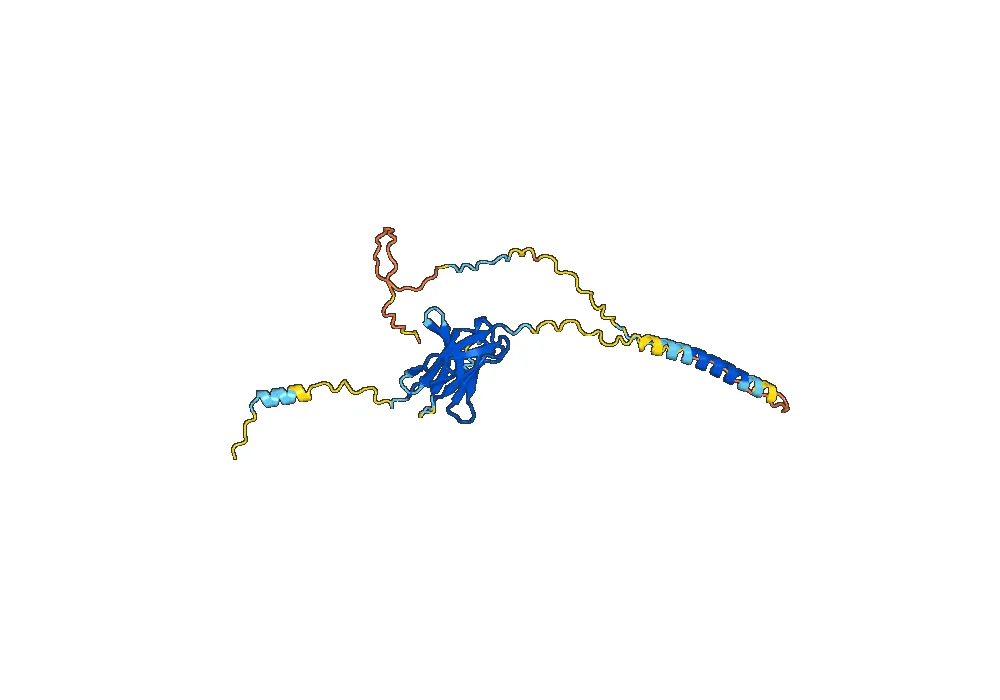
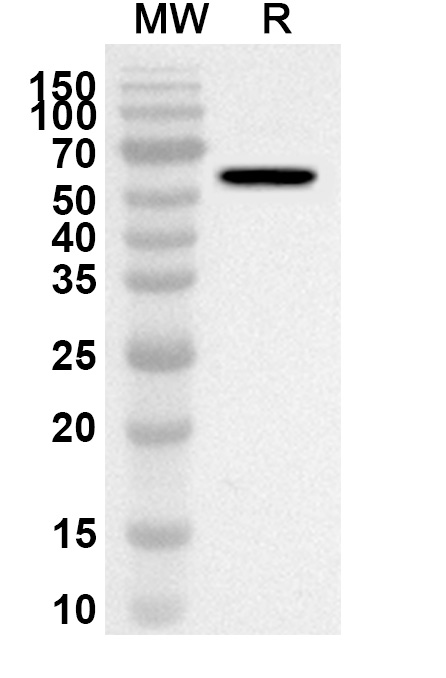
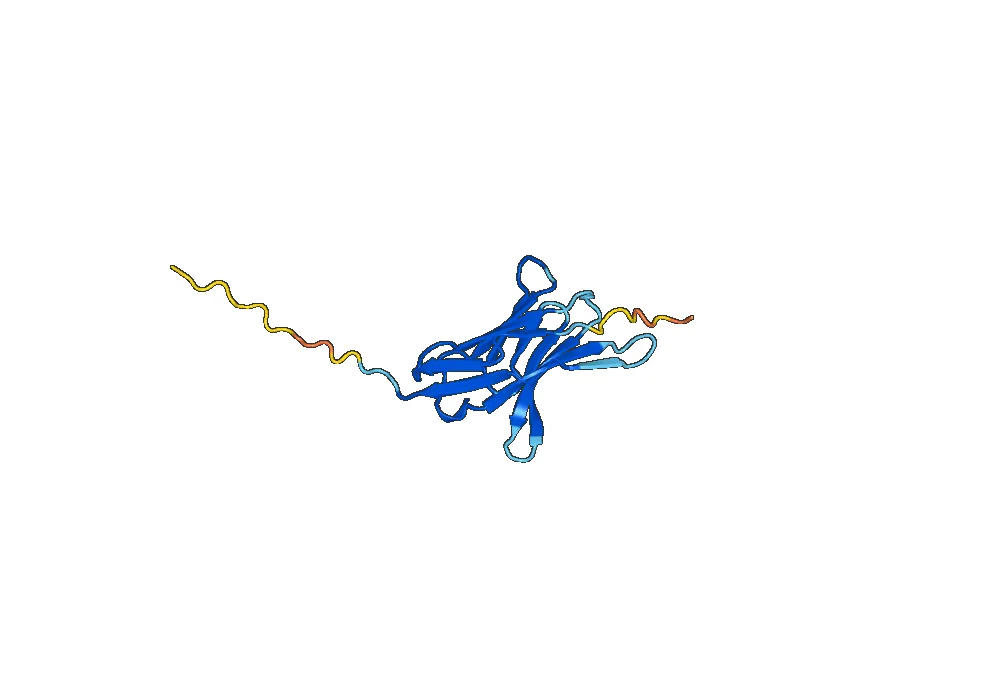
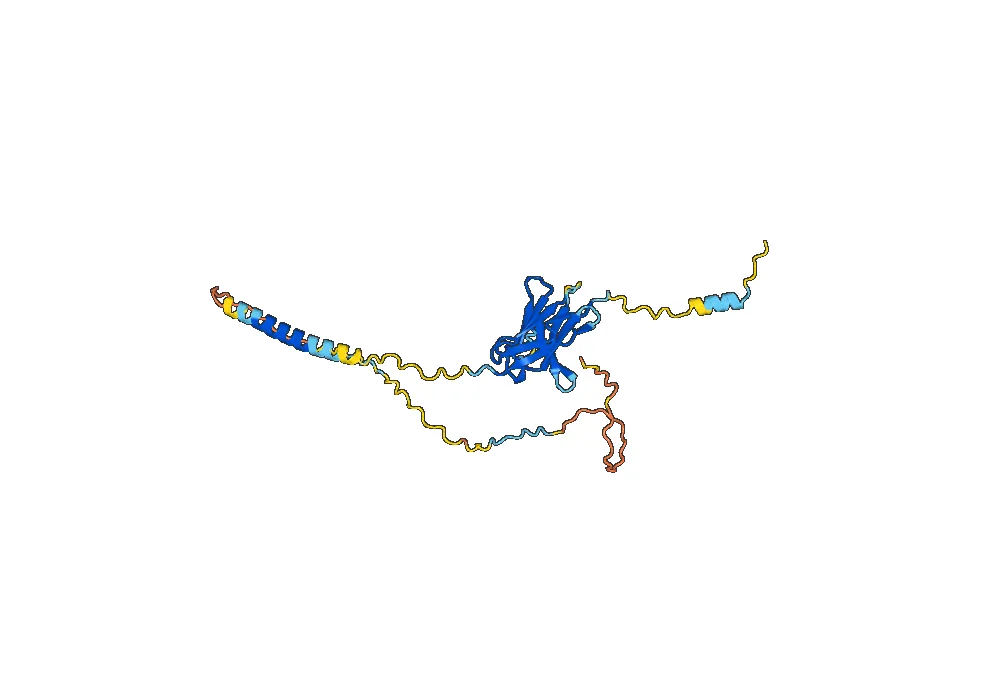
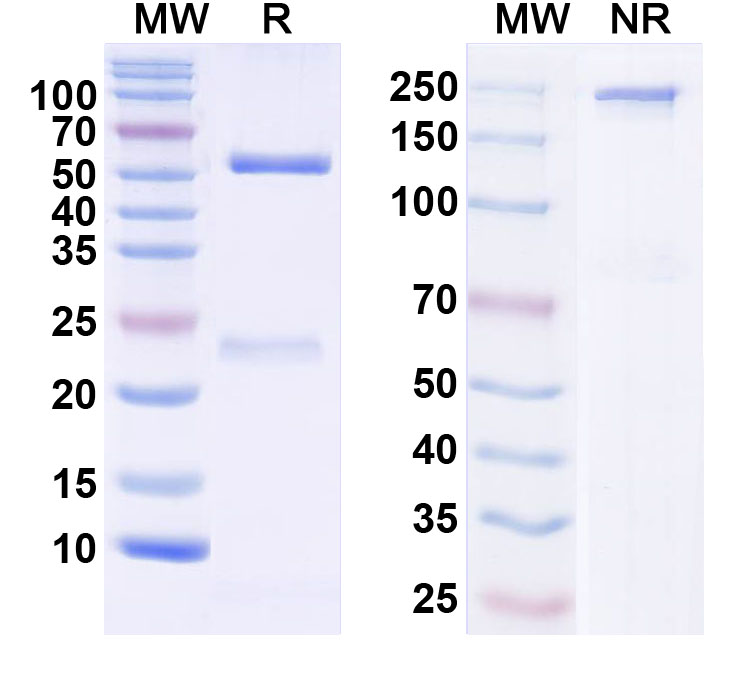
Enlonstobart Biosimilar is a recombinant humanized IgG4 monoclonal antibody that has been designed to mimic the structure and function of the naturally occurring PD-1 antibody. It is composed of two heavy chains and two light chains, each containing a variable region and a constant region. The variable region of Enlonstobart Biosimilar is responsible for its high specificity and binding affinity to the PD-1 receptor.
Activity of Enlonstobart Biosimilar
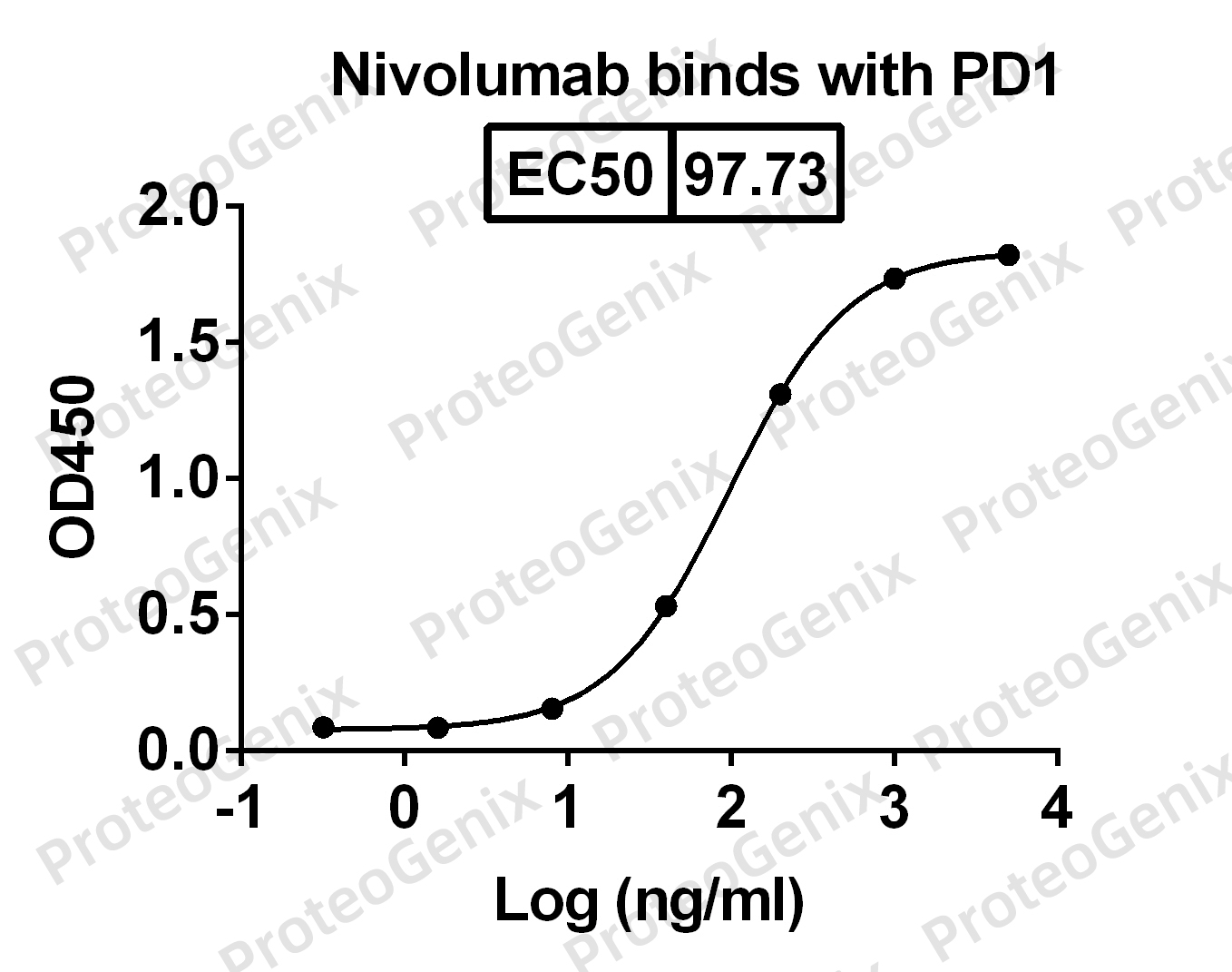
Enlonstobart Biosimilar works by binding to the PD-1 receptor on the surface of T cells and blocking its interaction with its ligands, PD-L1 and PD-L2. This prevents the inhibitory signals that are normally transmitted through the PD-1 pathway, allowing the T cells to become activated and mount an immune response against cancer cells. This mechanism of action makes Enlonstobart Biosimilar a promising therapeutic agent for the treatment of cancer.
Applications of Enlonstobart Biosimilar
Enlonstobart Biosimilar has shown promising results in preclinical studies and is currently being evaluated in clinical trials for the treatment of various types of cancer, including melanoma, non-small cell lung cancer, and renal cell carcinoma. It has also shown potential for use in combination with other cancer therapies, such as chemotherapy and radiation therapy.
Melanoma Melanoma is a type of skin
cancer that is known to be highly resistant to conventional treatments. However, studies have shown that the PD-1 pathway plays a critical role in the development and progression of melanoma. Enlonstobart Biosimilar has shown promising results in clinical trials for the treatment of advanced melanoma, both as a monotherapy and in combination with other therapies.
Non-Small Cell Lung Cancer (NSCLC) NSCLC is the most common type of lung
cancer and is known to be highly aggressive and difficult to treat. Enlonstobart Biosimilar has shown promising results in clinical trials for the treatment of advanced NSCLC, particularly in patients who have failed previous treatments. It has also shown potential for use in combination with other therapies, such as chemotherapy and targeted therapy.
Renal Cell Carcinoma (RCC) RCC is a type of kidney
cancer that is known to be resistant to conventional treatments. Enlonstobart Biosimilar has shown promising results in clinical trials for the treatment of advanced RCC, both as a monotherapy and in combination with other therapies. It has also shown potential for use in combination with other immunotherapies, such as anti-CTLA-4 antibodies.
Conclusion
Enlonstobart Biosimilar is a novel anti-PD-1 monoclonal antibody with a highly specific and potent mechanism of action. Its promising results in preclinical and clinical studies make it a potential game-changer in the treatment of various types of cancer. With ongoing research and development, Enlonstobart Biosimilar has the potential to become a valuable addition to the arsenal of cancer therapies.


There are no reviews yet.