Introduction
Muzastotug Biosimilar – Anti-CD152 mAb – Research Grade is a novel monoclonal antibody (mAb) that has been developed as a biosimilar of the existing anti-CD152 antibody. This biosimilar has been designed to specifically target CD152, a protein that plays a crucial role in regulating immune responses. In this article, we will delve into the structure, activity, and potential applications of Muzastotug Biosimilar – Anti-CD152 mAb – Research Grade.
Structure of Muzastotug Biosimilar – Anti-CD152 mAb
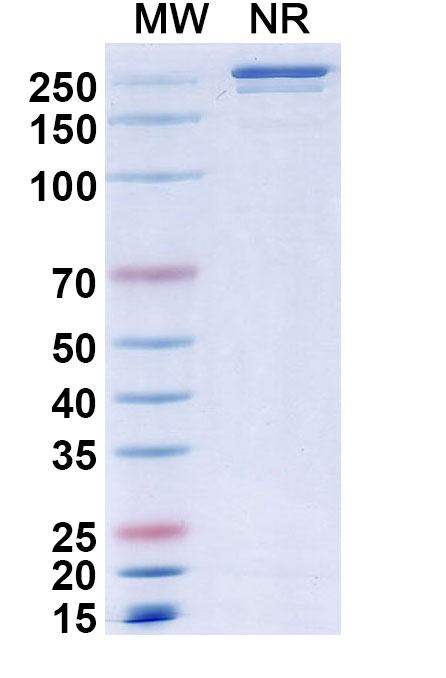
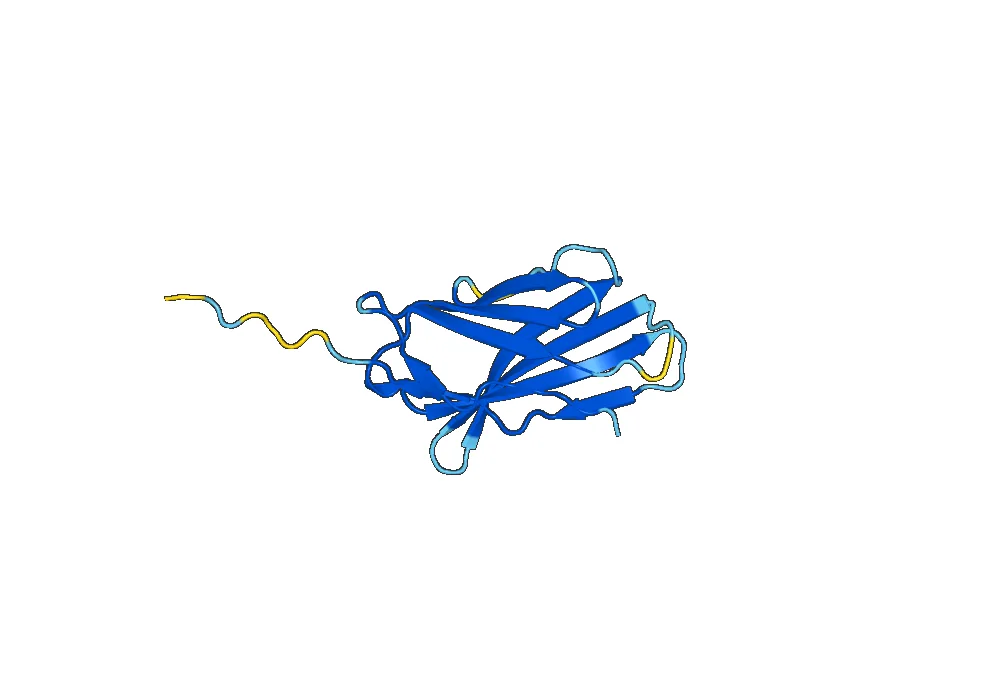
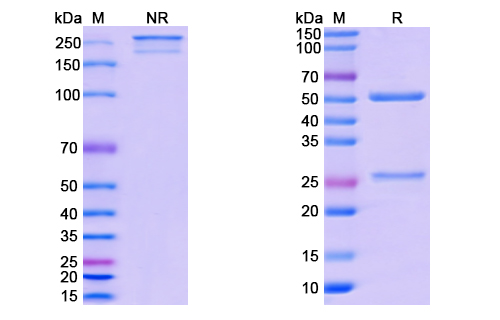
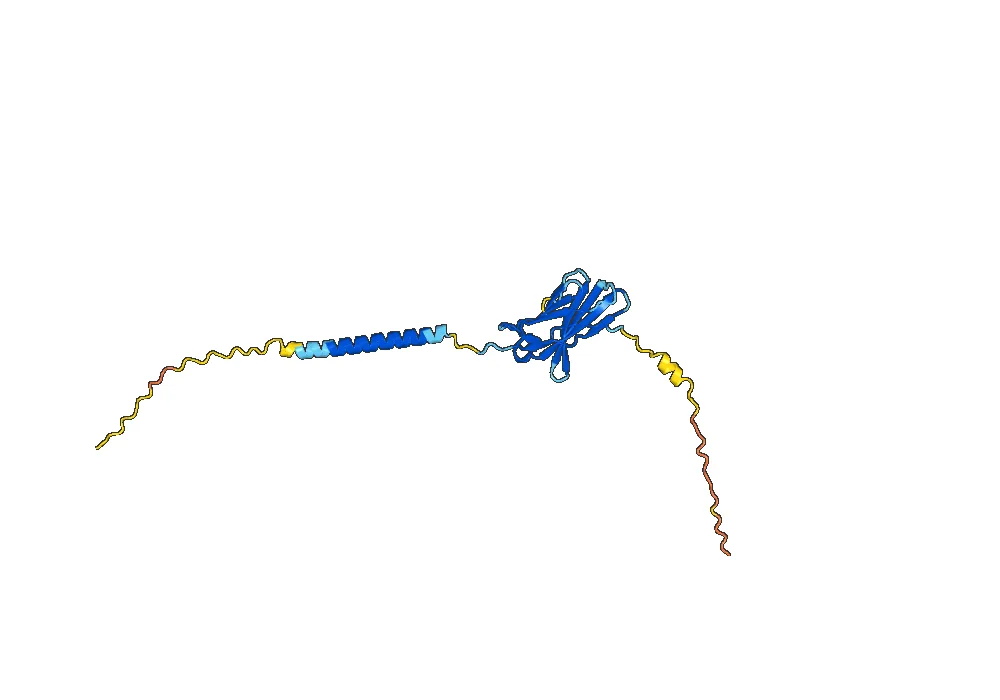
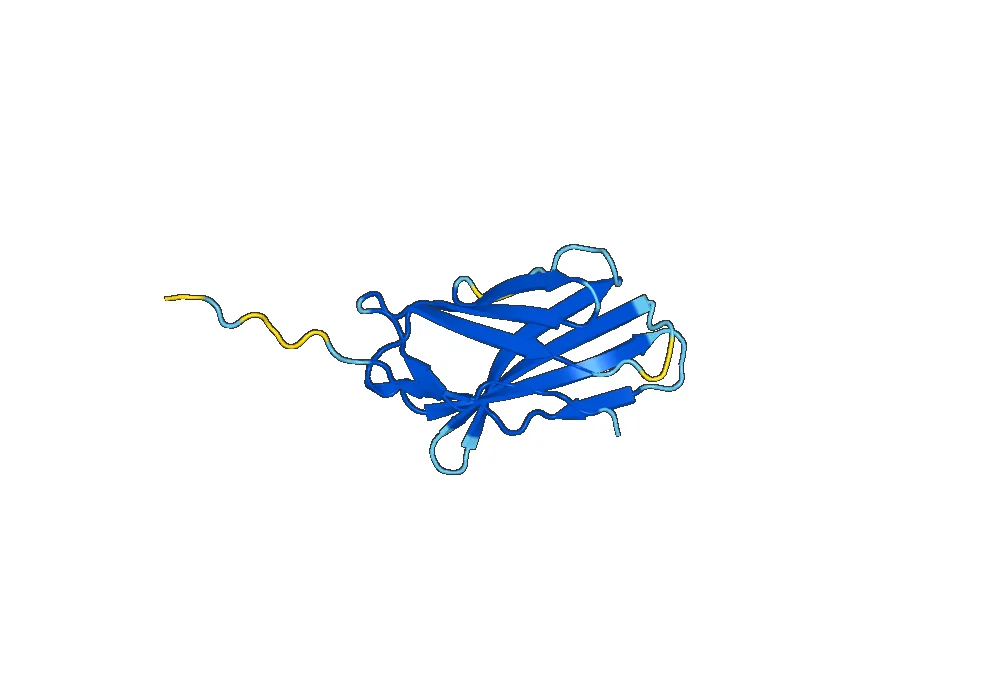
Muzastotug Biosimilar – Anti-CD152 mAb is a recombinant humanized IgG1 monoclonal antibody that has been produced using state-of-the-art genetic engineering techniques. It is composed of two heavy chains and two light chains, each containing a variable region and a constant region. The variable region of the antibody is responsible for binding to the CD152 protein, while the constant region is responsible for mediating effector functions.
Activity of Muzastotug Biosimilar – Anti-CD152 mAb
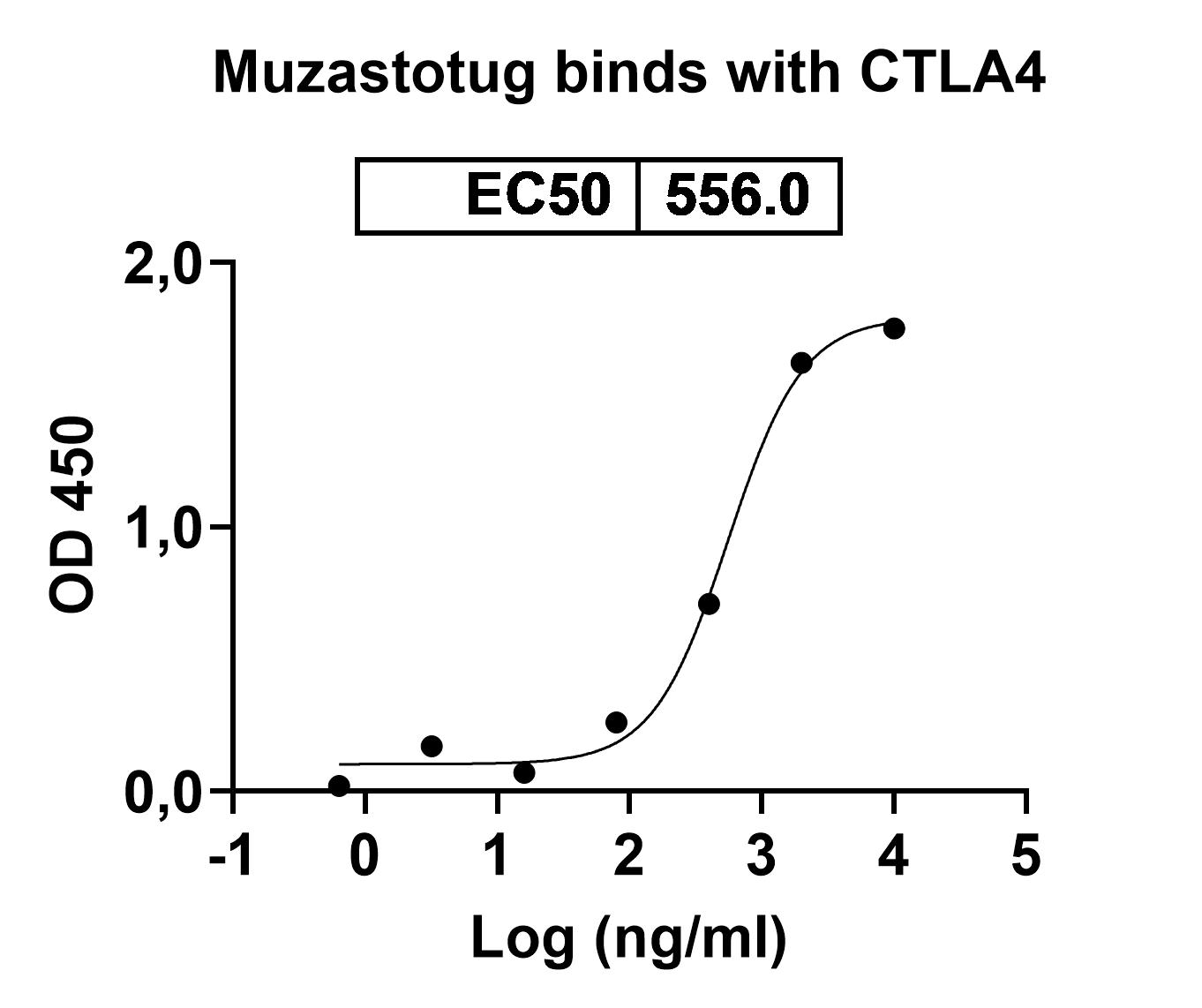
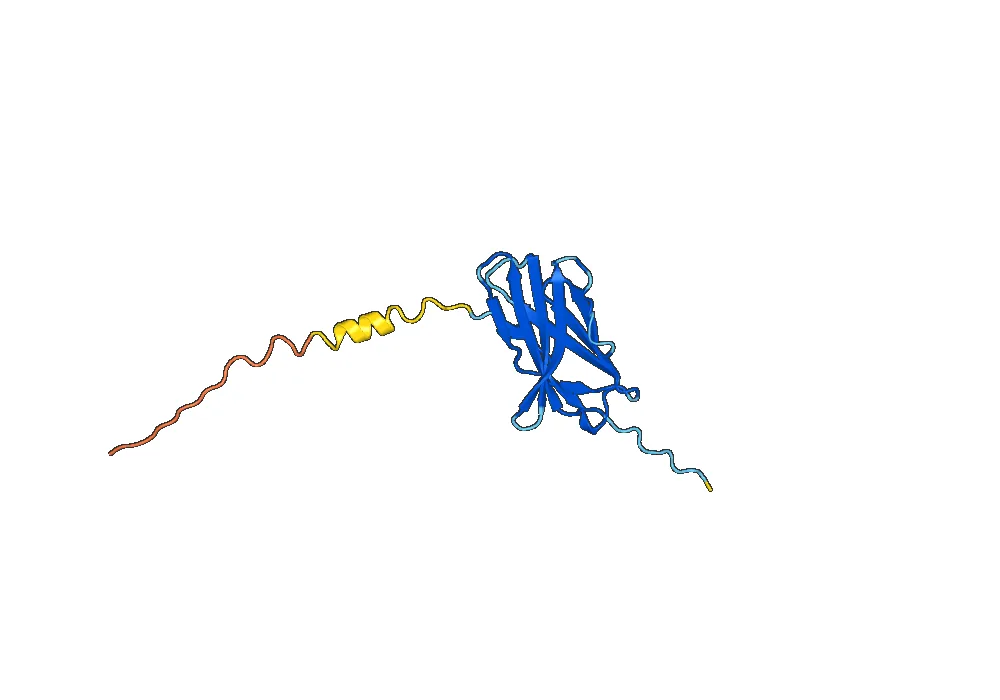
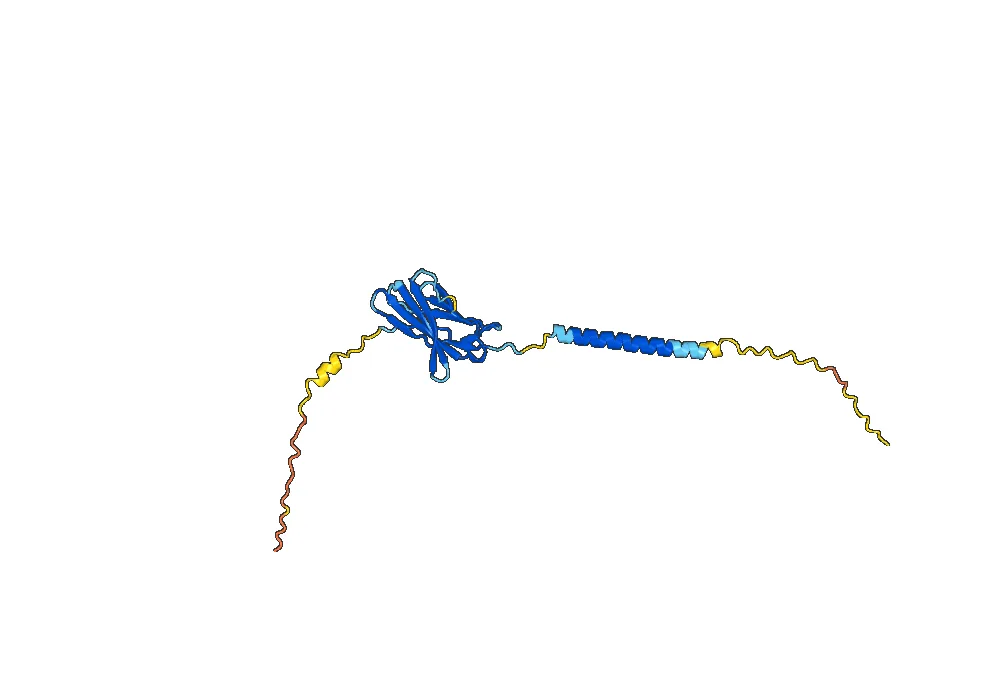
The main activity of Muzastotug Biosimilar – Anti-CD152 mAb is its ability to bind to CD152, a protein that is expressed on the surface of T cells. CD152, also known as cytotoxic T-lymphocyte-associated protein 4 (CTLA-4), is a negative regulator of T cell activation. When CD152 is activated, it inhibits T cell activation and proliferation, thereby suppressing immune responses. Muzastotug Biosimilar – Anti-CD152 mAb binds to CD152 and blocks its inhibitory function, leading to enhanced T cell activation and proliferation.
Potential Applications of Muzastotug Biosimilar – Anti-CD152 mAb
Muzastotug Biosimilar – Anti-CD152 mAb has potential applications in various therapeutic areas, including cancer, autoimmune diseases, and transplantation. In cancer, the antibody can be used to enhance the anti-tumor immune response by boosting T cell activation and proliferation. This can be particularly beneficial in combination with other cancer treatments such as chemotherapy or immune checkpoint inhibitors.
In autoimmune diseases, Muzastotug Biosimilar – Anti-CD152 mAb can be used to suppress overactive immune responses that contribute to the pathogenesis of diseases such as rheumatoid arthritis, multiple sclerosis, and psoriasis. By blocking CD152, the antibody can prevent the inhibitory signals that dampen immune responses, leading to enhanced immune activity and reduced disease severity.
In transplantation, Muzastotug Biosimilar – Anti-CD152 mAb can be used to prevent organ rejection. During organ transplantation, the body’s immune system recognizes the transplanted organ as foreign and mounts an immune response to reject it. By blocking CD152, the antibody can prevent the inhibitory signals that suppress immune responses, allowing for better acceptance of the transplanted organ.
Conclusion
Muzastotug Biosimilar – Anti-CD152 mAb – Research Grade is a novel monoclonal antibody that has been designed to target CD152, a protein that plays a crucial role in regulating immune responses. Its structure, activity, and potential applications make it a promising therapeutic option in various disease settings. Further research and clinical trials are needed to fully explore the potential of this biosimilar in improving patient outcomes.

There are no reviews yet.