Introduction
The Human FOLR1 HEK293T Stable Cell Line is a valuable tool in the field of biomedical research, specifically in the study of cancer and targeted therapies. This cell line is derived from human embryonic kidney cells (HEK293T) that have been stably transfected with the human FOLR1 gene. In this article, we will discuss the structure, activity, and potential applications of this cell line.
Structure of Human FOLR1 HEK293T Stable Cell Line
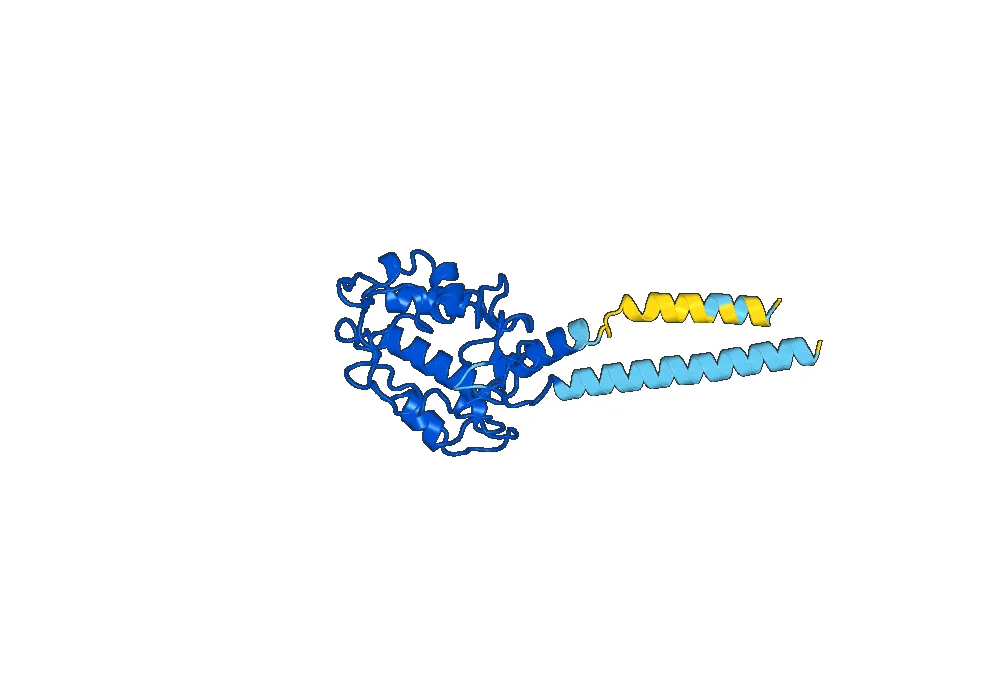
The Human FOLR1 HEK293T Stable Cell Line is a genetically modified cell line that expresses high levels of the human FOLR1 protein. FOLR1, also known as folate receptor alpha, is a cell surface receptor that binds to the water-soluble vitamin folic acid. It is composed of three domains: an extracellular domain, a transmembrane domain, and a cytoplasmic domain. The extracellular domain is responsible for binding folic acid, while the cytoplasmic domain is involved in signal transduction.
Activity of Human FOLR1 HEK293T Stable Cell Line
The primary activity of the Human FOLR1 HEK293T Stable Cell Line is its ability to overexpress the FOLR1 protein. This allows for the study of FOLR1-mediated processes, such as folic acid uptake and signaling pathways. Additionally, this cell line can be used to investigate the role of FOLR1 in cancer progression and response to therapy.
Flow Cytometry Analysis
Flow cytometry is a powerful technique that uses light scattering and fluorescence to analyze the characteristics of individual cells. The Human FOLR1 HEK293T Stable Cell Line can be analyzed using flow cytometry to confirm the expression of FOLR1 on the cell surface. This allows for the identification and isolation of FOLR1-expressing cells, which can then be used for downstream experiments.
Applications of Human FOLR1 HEK293T Stable Cell Line
The Human FOLR1 HEK293T Stable Cell Line has a wide range of potential applications in biomedical research. Some of the key applications include:
Cancer Research
FOLR1 is known to be overexpressed in a variety of cancer types, including ovarian, lung, and breast cancer. The Human FOLR1 HEK293T Stable Cell Line can be used to study the role of FOLR1 in cancer progression and to develop targeted therapies that specifically target FOLR1-expressing cancer cells.
Drug Discovery and Development
The Human FOLR1 HEK293T Stable Cell Line can also be used in drug discovery and development. By using this cell line, researchers can screen potential drug candidates for their ability to target and inhibit FOLR1. This can lead to the development of more effective and targeted therapies for cancer and other diseases.
Therapeutic Targeting
As mentioned earlier, FOLR1 is a potential therapeutic target for cancer treatment. The Human FOLR1 HEK293T Stable Cell Line can be used to test the efficacy of different FOLR1-targeting drugs and to understand the mechanisms of action of these drugs. This can ultimately lead to the development of more effective and personalized treatment options for cancer patients.
Gene Expression Studies
The Human FOLR1 HEK293T Stable Cell Line can also be used for gene expression studies. By manipulating the expression of FOLR1 in this cell line, researchers can investigate the downstream effects on gene expression and cellular processes. This can provide valuable insights into the role of FOLR1 in various biological pathways.
Conclusion
In summary, the Human FOLR1 HEK293T Stable Cell Line is a valuable tool for studying the structure, activity, and potential applications of the FOLR1 protein.

There are no reviews yet.