Introduction to Human CD66c/CEACAM6 HEK293T Stable Cell Line
The Human CD66c/CEACAM6 HEK293T Stable Cell Line is a valuable tool for studying the structure, activity, and potential therapeutic applications of the human CD66c/CEACAM6 protein. This stable cell line is derived from HEK293T cells, a commonly used cell line in biomedical research, and has been engineered to stably express the CD66c/CEACAM6 protein. In this article, we will delve into the details of this cell line, including its structure, activity, and potential applications in the field of medicine.
Structure of Human CD66c/CEACAM6
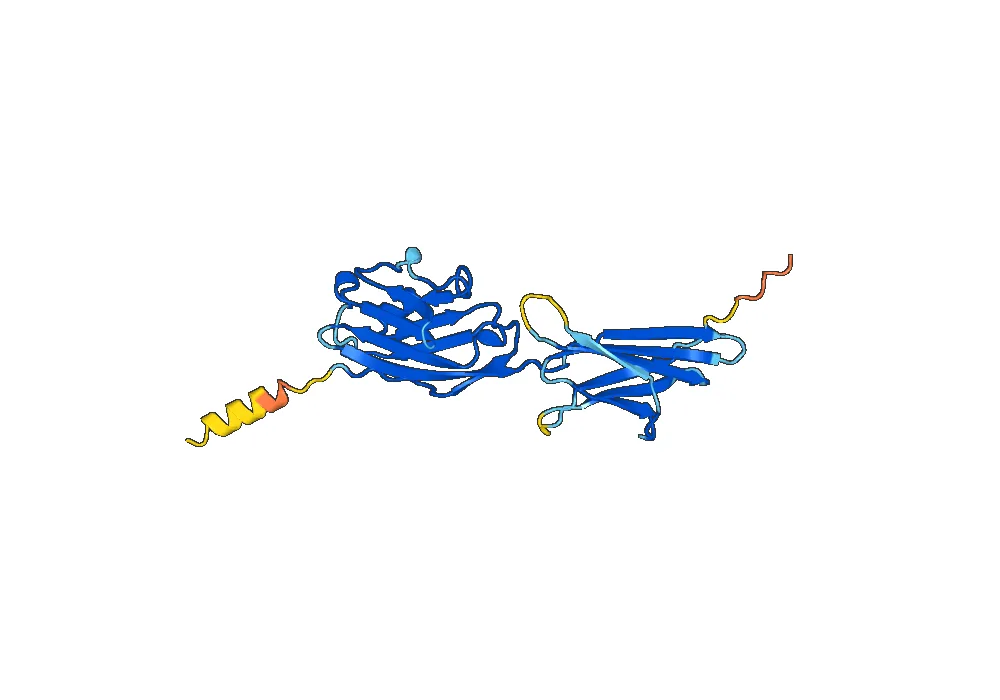
The human CD66c/CEACAM6 protein, also known as carcinoembryonic antigen-related cell adhesion molecule 6 (CEACAM6), is a glycosylated protein that belongs to the carcinoembryonic antigen (CEA) family. It is composed of a single transmembrane domain, a short cytoplasmic tail, and a large extracellular region containing multiple immunoglobulin (Ig)-like domains. The extracellular region of CD66c/CEACAM6 is highly glycosylated, which plays an important role in its function as a cell adhesion molecule. The protein is expressed on the surface of various cell types, including epithelial cells, leukocytes, and tumor cells.
Activity of Human CD66c/CEACAM6
CD66c/CEACAM6 is a multifunctional protein that plays important roles in cell adhesion, signaling, and immune response. As a cell adhesion molecule, it mediates homotypic and heterotypic interactions between cells, which are crucial for maintaining tissue integrity and regulating cell migration. In addition, CD66c/CEACAM6 also serves as a receptor for bacterial and viral pathogens, allowing them to attach and invade host cells. Moreover, this protein is involved in various signaling pathways, including the regulation of cell proliferation, differentiation, and survival. It also plays a role in the immune response by modulating the activity of immune cells and promoting inflammation.
Application of Human CD66c/CEACAM6 HEK293T Stable Cell Line
The Human CD66c/CEACAM6 HEK293T Stable Cell Line has a wide range of potential applications in the field of medicine, particularly in the study of cancer and infectious diseases. Here are some specific applications of this cell line:
1. Flow Cytometry
Flow cytometry is a powerful technique for analyzing and sorting cells based on their physical and chemical properties. The Human CD66c/CEACAM6 HEK293T Stable Cell Line can be used as a positive control in flow cytometry experiments to detect the expression of CD66c/CEACAM6 on the surface of cells. This can be particularly useful in cancer research, where CD66c/CEACAM6 is overexpressed in various types of tumors.
2. Therapeutic Target
CD66c/CEACAM6 has been identified as a potential therapeutic target for cancer and infectious diseases. The Human CD66c/CEACAM6 HEK293T Stable Cell Line can be used to study the role of this protein in disease progression and to screen for potential drugs that can target CD66c/CEACAM6 and inhibit its activity. This cell line can also be used to validate the efficacy of these drugs in preclinical studies.
3. Disease Modeling
The stable expression of CD66c/CEACAM6 in the Human CD66c/CEACAM6 HEK293T Stable Cell Line makes it a valuable tool for disease modeling.

There are no reviews yet.