Introduction
The Human CD158k/KIR3DL2 HEK293T Stable Cell Line is a valuable tool in the field of immunology and cancer research. This cell line is derived from human embryonic kidney cells (HEK293T) and stably expresses the CD158k/KIR3DL2 protein. This protein is a member of the killer cell immunoglobulin-like receptor (KIR) family, which plays a crucial role in regulating the activity of natural killer (NK) cells and other immune cells. In this article, we will discuss the structure, activity, and potential applications of the Human CD158k/KIR3DL2 HEK293T Stable Cell Line.
Structure of CD158k/KIR3DL2 Protein
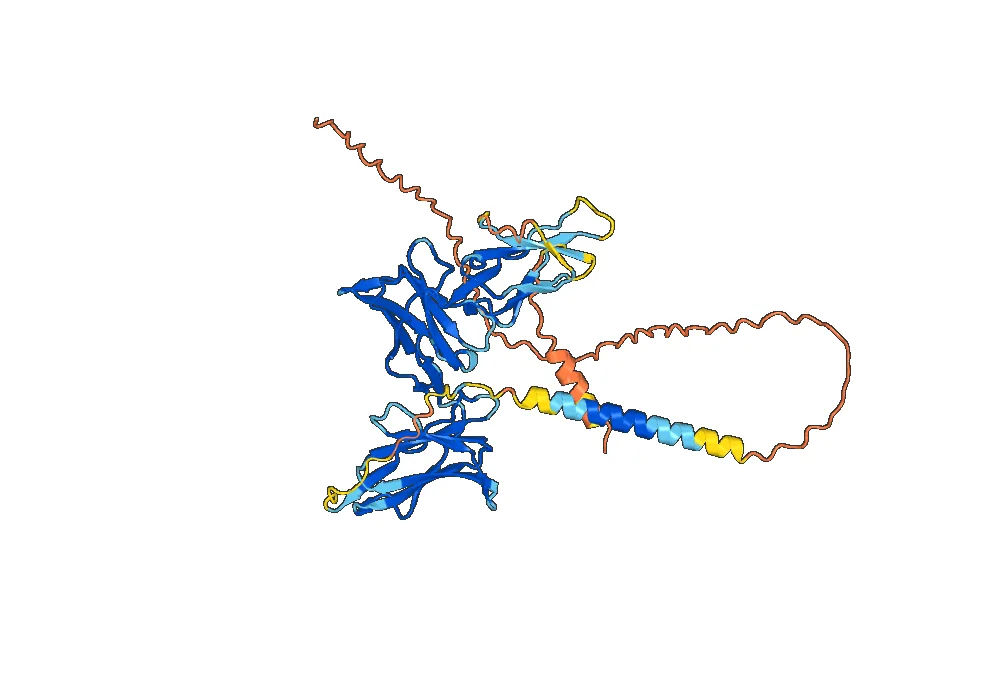
The CD158k/KIR3DL2 protein is a type I transmembrane protein with a molecular weight of approximately 70 kDa. It is composed of two extracellular immunoglobulin-like domains (D1 and D2), a transmembrane domain, and a cytoplasmic tail. The D1 domain is responsible for ligand binding, while the D2 domain is involved in receptor dimerization and signal transduction. The cytoplasmic tail contains immunoreceptor tyrosine-based inhibition motifs (ITIMs) that mediate inhibitory signaling.
Activity of CD158k/KIR3DL2 Protein
The CD158k/KIR3DL2 protein is primarily expressed on the surface of NK cells and a subset of T cells. It acts as an inhibitory receptor, which means it suppresses the activity of these immune cells. This is achieved through the interaction of CD158k/KIR3DL2 with its ligands, HLA-A3 and HLA-A11, on target cells. This interaction triggers the recruitment of phosphatases to the ITIMs, leading to the inhibition of downstream signaling pathways. As a result, the activity of NK cells and T cells is regulated, preventing excessive immune responses.
Application of Human CD158k/KIR3DL2 HEK293T Stable Cell Line
The Human CD158k/KIR3DL2 HEK293T Stable Cell Line has several potential applications in the field of immunology and cancer research. One of the main uses of this cell line is in the study of NK cell and T cell function. By overexpressing the CD158k/KIR3DL2 protein, researchers can investigate the role of this receptor in regulating immune cell activity. This can provide valuable insights into the mechanisms of immune response and the development of diseases such as cancer.
Furthermore, the Human CD158k/KIR3DL2 HEK293T Stable Cell Line can also be used in drug discovery and development. As the CD158k/KIR3DL2 protein is a potential therapeutic target, this cell line can be used to screen for compounds that can modulate its activity. These compounds can then be further developed as potential treatments for diseases where CD158k/KIR3DL2 is involved, such as certain types of cancer.
Another potential application of this cell line is in flow cytometry. The stable expression of CD158k/KIR3DL2 allows for the easy detection and isolation of cells that express this protein. This is especially useful in studying rare cell populations, such as NK cells and T cells, which play important roles in immune response and disease progression.
Conclusion
In summary, the Human CD158k/KIR3DL2 HEK293T Stable Cell Line is a valuable tool for studying the structure and function of the CD158k/KIR3DL2 protein. Its potential applications in immunology and cancer research make it a valuable resource for researchers. With its stable expression and potential use in flow cytometry, this cell line has the potential to contribute to the development of new treatments for diseases involving CD158k/KIR3DL2 as a therapeutic target.

There are no reviews yet.